
The world of marketing is evolving at an unprecedented pace, driven by technology, shifting customer expectations, and the blurring of industry boundaries. In 2026, success relies on recognizing that marketing is strategy, not just a function but the core engine of business growth.
This guide offers actionable insights, proven frameworks, and real-world examples to help leaders place marketing at the center of strategic decision-making. You will discover:
- How marketing and strategy are converging
- Where competitive advantage is shifting downstream to customer value
- Why redefining your competitive arena is essential
- Step-by-step strategies to future-proof your business
Ready to reimagine your approach? Dive in and transform your results by making marketing is strategy the foundation of your success.
The Convergence of Marketing and Strategy: Why 2026 Demands Integration
The world of business is transforming. The once-separate fields of marketing and strategy are now on a direct path to unification. In 2026, success hinges on recognizing that marketing is strategy, not simply a support function. Understanding this convergence is critical for leaders aiming to stay ahead of the curve.
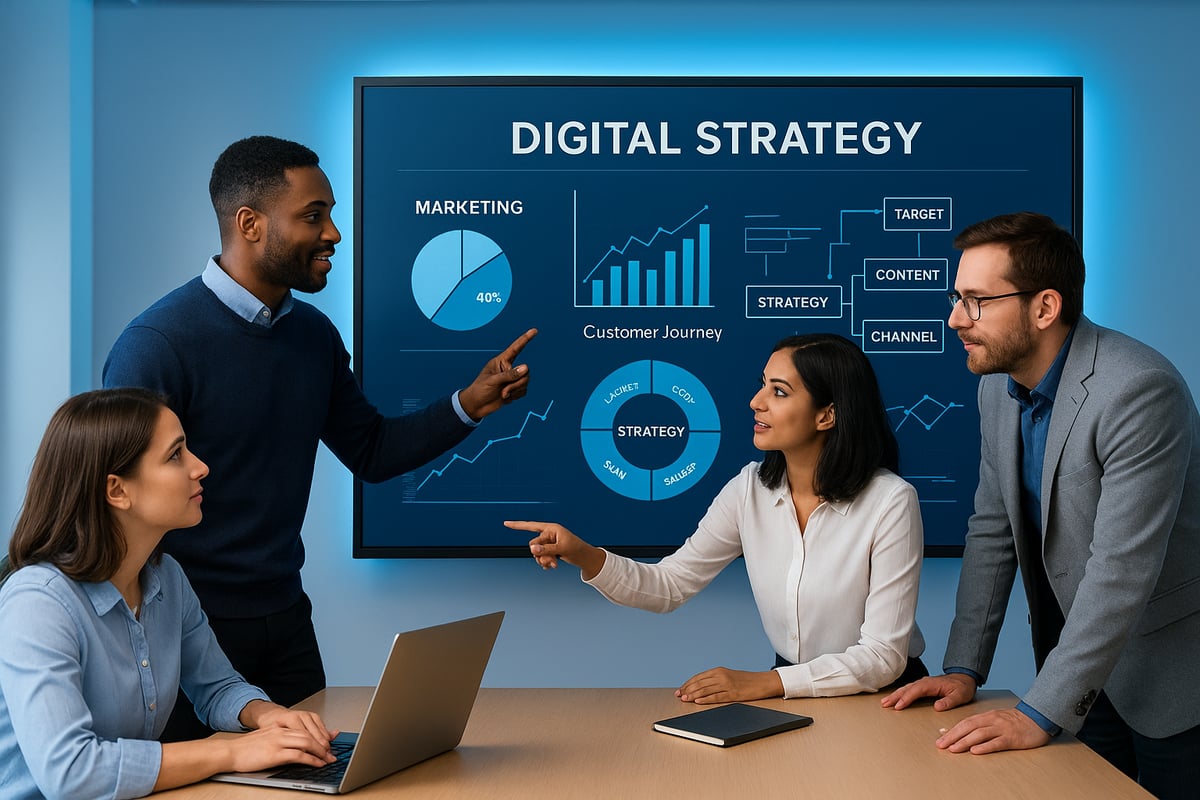
The Historical Divide and Its Evolution
Traditionally, marketing focused on understanding customers, segmenting markets, and mastering the Four Ps: product, price, place, and promotion. Jerome McCarthy’s framework shaped generations of marketers, while strategy developed from military roots, emphasizing competition and positioning. Thought leaders like Bruce Henderson introduced the Experience Curve, and Michael Porter defined generic strategies, reinforcing a clear line between the two disciplines.
Over time, however, the boundaries blurred. By 2023, an industry survey found that 78% of executives reported significant overlap between marketing and strategy functions. This shift signals a growing realization that marketing is strategy when it comes to driving sustainable growth and competitive advantage.
Forces Driving Convergence
Several powerful forces are merging marketing and strategy. Customer-centricity has become an essential driver of business success. Companies now recognize that understanding and serving the customer must guide every strategic decision. Philip Kotler’s fifth era of holistic marketing reflects this evolution, where all business functions work together to create value.
Design thinking and rapid prototyping are no longer just for product development. They are integral to strategic planning, helping organizations test ideas quickly and adapt to market needs. Major corporations, such as P&G, have even eliminated separate strategy departments, showing that marketing is strategy at the highest level.
Unified Disciplines in Practice
In practice, the unification of marketing and strategy is built on frameworks like Where to Play/How to Win (WTP/HTW). Tech companies, for example, see product marketing as their central strategy, blurring the lines between roles. This approach reduces duplication and misalignment, which are common pitfalls in traditional organizations.
For business leaders seeking real-world guidance, How business owners grow with marketing offers actionable examples of integrating these disciplines for growth. Practitioners recommend merging teams or fostering deep collaboration to ensure that marketing is strategy, not an afterthought.
Implications for Leaders and Teams
This convergence requires new skills. Cross-functional expertise is now vital, demanding that leaders and teams understand both customer needs and competitive dynamics. The implications stretch into hiring, training, and even business education, where unified curricula are replacing old silos.
Consider companies that failed due to siloed approaches, missing opportunities for alignment. In contrast, those who recognized that marketing is strategy have succeeded by embedding customer value into every decision. For organizations aiming for 2026 success, embracing this integration is not optional—it is essential.
Downstream Advantage: Shifting the Center of Gravity to Customers
Modern business is undergoing a seismic shift. In 2026, leaders are discovering that true advantage comes from moving closer to the customer. This is the essence of marketing is strategy: putting downstream activities at the heart of your business model. Let's explore how this transformation is redefining growth, loyalty, and competitive edge.

The Decline of Upstream Differentiation
Historically, companies gained an edge through upstream activities such as manufacturing, sourcing, or logistics. However, in today's globalized market, these functions are often commoditized or outsourced. This has eroded their potential as sustainable differentiators.
Take Coca-Cola's vending machines as an example. The company charges a premium—up to 700 percent more than retail—for convenience, not for the physical product itself. According to Harvard Business Review, 60 percent of company costs are now tied to downstream activities like distribution and customer engagement.
For organizations embracing marketing is strategy, focusing solely on upstream processes is no longer enough. Competitive advantage now lies in delivering value where it matters most: at the customer interface.
The Rise of Downstream Activities
Downstream activities—everything that happens after the product leaves the factory—have become the new battlefield. Companies deliver value by enhancing customer experience, convenience, and reducing purchase risk. Building strong external linkages with customers, channel partners, and complementors is critical.
Consider the Coca-Cola thought experiment: If you removed all the company's physical assets but retained its brand and customer relationships, Coca-Cola would still be immensely valuable. Brand memory and equity now outweigh infrastructure as key assets.
A prime example of this shift is the growing focus on marketing website design best practices. Leaders recognize that seamless digital experiences are central to downstream value creation. For those who believe marketing is strategy, optimizing every touchpoint is essential to winning customer loyalty.
Creating Stickiness and Loyalty
Downstream advantage is not just about reaching customers—it is about making it hard for them to leave. Marketplace stickiness increases customer retention and raises switching costs. Facebook, for instance, leverages network effects and user data, making its platform nearly indispensable for billions.
Luxury car brands like BMW and Mercedes use broad advertising to enhance brand network effects, embedding themselves in consumer culture and memory. This approach, rooted in the belief that marketing is strategy, turns loyalty into a compounding asset.
Companies that prioritize downstream activities consistently outperform their rivals in customer retention and engagement.
Accumulative Competitive Advantage
Unlike upstream advantages, which often erode over time, downstream advantages accumulate. The more a company invests in customer insights and data, the greater its ability to deliver personalized solutions and guarantee outcomes.
Orica, a leader in the mining industry, collects extensive customer data to offer predictive results, even in commodity markets. This downstream focus doubles customer retention rates compared to traditional models.
For executives who understand that marketing is strategy, the goal is to build advantages that grow stronger with each customer interaction.
Strategic Shifts for 2026
To succeed in 2026, organizations must transition from product-centric models to customer-centric strategies. This means restructuring teams around customer value creation and shifting key performance indicators from units sold to customer lifetime value and engagement.
Metrics such as Net Promoter Score, retention rates, and customer journey satisfaction become central. Companies embracing marketing is strategy are investing in data-driven feedback loops, agile teams, and platforms designed to foster long-term loyalty.
The future belongs to those who place the customer at the center of every decision, continually aligning strategy with evolving downstream demands.
Redefining the Competitive Landscape: Choosing Your Arena in 2026
The competitive landscape is evolving rapidly, and marketing is strategy at its core. Companies must rethink how they define their competitors, position their brands, and shape customer perceptions. In 2026, winning will require leaders to look beyond traditional categories and proactively choose the arena in which they compete.

Positioning and Perception: The New Battleground
In 2026, the competitive arena is shaped more by customer perception than by industry definitions. Marketing is strategy because it determines how consumers view your brand and which alternatives they consider.
Take Brita, for example. By positioning itself alongside bottled water on store shelves, Brita redefined its competitive set. Instead of competing only with kitchen appliances, Brita shifted the conversation to water quality and convenience, influencing how customers made choices.
This move demonstrates that where and how you position your brand matters as much as the product itself. Leaders must ask: Are we letting customers define our competition, or are we guiding their perceptions?
Influence Over Purchase Criteria
Influencing what customers value most is a powerful lever. Marketing is strategy when it shapes the criteria people use to make decisions.
Steve Jobs famously introduced the iPad, creating an entirely new category and shifting expectations for personal computing. Volvo, on the other hand, made safety the primary criterion in automotive decisions, differentiating itself even in a crowded market.
By setting or reshaping purchase criteria, brands can escape price wars and create lasting advantages. The key is to identify what matters most to your target audience and make it central to your strategy.
Market Segmentation and Targeting in the New Era
Traditional demographics are no longer enough. Marketing is strategy when it leverages behavioral and value-based segmentation to pinpoint opportunity.
Zara exemplifies this shift, using real-time sales data to respond instantly to changing customer preferences. Fast-fashion retailers who adapt quickly outperform traditional models by 30 percent in market responsiveness.
Segmenting by behavior and values allows companies to anticipate shifts, tailor their offerings, and stay relevant. The focus moves from who customers are to how they think and act.
Pricing and Channel Strategies
Distribution and pricing can redefine your competitive landscape. Marketing is strategy when it determines not just what you sell, but where and at what price.
Brita’s strategic placement in the bottled water aisle allowed customers to compare its filters directly with single-use bottles, shifting the cost-benefit analysis. In 2026, omnichannel and dynamic pricing are essential tools for staying ahead.
Emerging digital trends, as highlighted in Digital marketing trends for 2025, show that brands must use these levers to reposition themselves and capture new markets. Strategic pricing and channel choices can set you apart from the competition.
Proactive Competitor Selection
Choosing your competitors is a deliberate act. Marketing is strategy when it involves mapping the competitive landscape from the customer’s perspective.
Brands must actively decide which companies and products they want to be compared with. This involves branding, partnerships, and careful channel selection. Ignoring these factors can leave you vulnerable to unexpected competition.
Leaders should regularly revisit their competitive mapping, ensuring their strategy aligns with customer perceptions and evolving market dynamics.
Influencing Customer Criteria: From Listening to Leading
Understanding what customers want is no longer enough. The next evolution in marketing is strategy involves not just listening but actively shaping how customers think and make decisions. Brands that lead this transformation gain a sustainable edge, as they set the terms of competition and define what buyers value most.
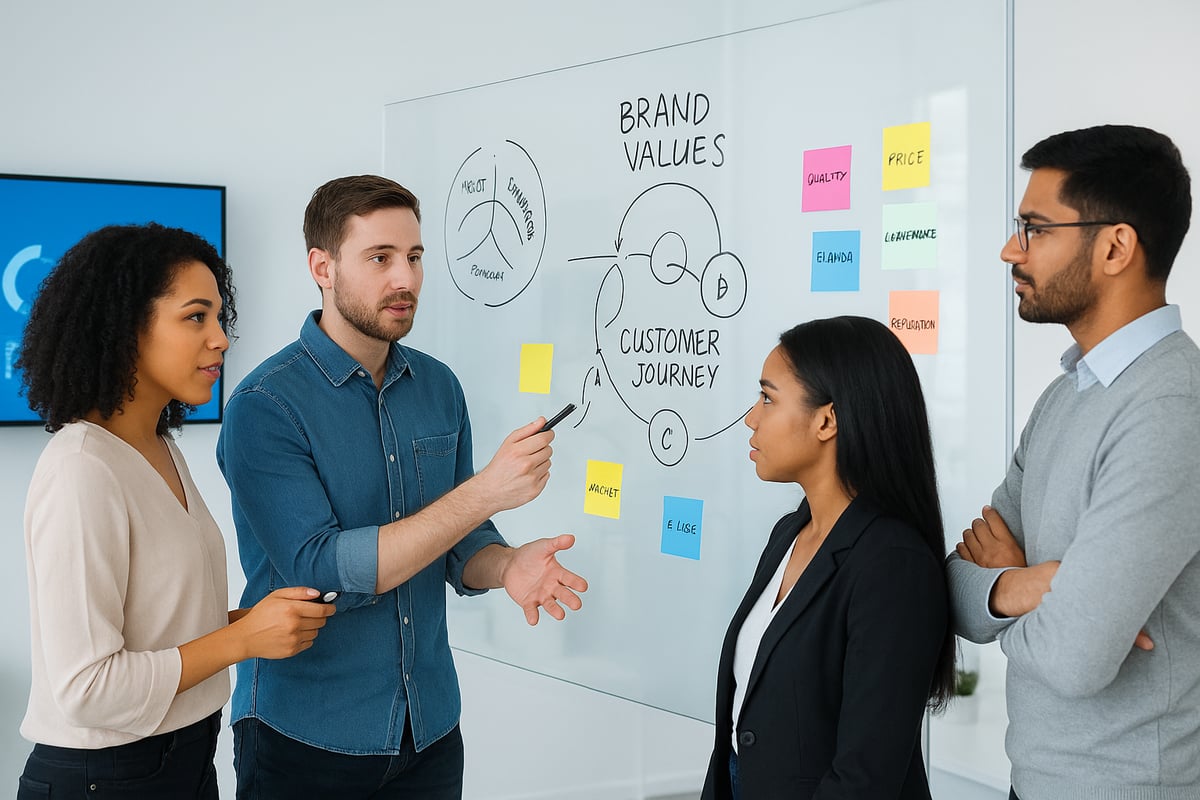
Beyond the Voice of the Customer
Traditional market research—focus groups, surveys, social listening—has long been the backbone of understanding customer needs. However, these methods often capture only what customers can currently articulate, not what they will value tomorrow. Steve Jobs famously said, "People don’t know what they want until you show it to them," highlighting the limitations of reactive strategies.
In the rapidly changing landscape where marketing is strategy, relying solely on listening can lead to missed opportunities. Data shows that 72 percent of breakthrough innovations stem from needs customers never voiced. Companies must move beyond simply responding and start envisioning new possibilities that customers have yet to imagine.
Defining New Purchase Criteria
Winning in 2026 depends on a brand’s ability to set the rules of the game. This means strategically shaping the criteria customers use to make purchasing decisions. Consider Febreze, which redefined "clean" for households, or Nike, which sells self-belief as much as athletic apparel.
When marketing is strategy, the focus shifts to influencing what matters most to buyers. The battle between Cialis and Viagra illustrates this: Cialis succeeded by shifting the conversation from speed to spontaneity, reframing how customers evaluated their options. The goal is not just to compete, but to redefine the standards of competition in your favor.
Tools for Shaping Customer Perceptions
Brands influence customer criteria through a blend of storytelling, branding, and experiential marketing. These tools help embed new values and expectations in the minds of consumers. For example, Apple’s ecosystem creates loyalty by making product integration a key consideration, not just technical specs.
Today, data and behavioral insights are critical. Artificial intelligence enables marketers to identify emerging needs and introduce new criteria at scale. For current statistics on how AI is transforming these strategies, explore AI’s Role in Marketing Strategies. In a world where marketing is strategy, leveraging technology to shape perceptions is essential for staying ahead.
Segmenting and Targeting by Criteria
Modern segmentation goes far beyond demographics. Successful brands now identify and target customers based on their decision-making frameworks and evolving priorities. Dynamic segmentation allows companies to adapt as new criteria emerge and as customer values shift.
Brands embracing marketing is strategy use real-time data to track which criteria drive purchases and adjust their targeting accordingly. This approach leads to smarter investments and higher returns, as evidenced by brands that lead in defining criteria seeing 20 percent higher market share growth.
Building Lasting Influence
Influencing customer criteria is not a one-time effort. The more customers adopt your standards, the stronger your competitive advantage becomes. This accumulative effect creates a powerful feedback loop: as your influence grows, so does your market position.
To build lasting impact, organizations should regularly conduct workshops, map customer journeys, and co-create solutions with key segments. In the era where marketing is strategy, these practices ensure brands remain relevant and continue to lead, not just follow, in shaping market expectations.
Step-by-Step Strategic Marketing Blueprint for 2026 Success
In 2026, success depends on a unified approach where marketing is strategy. This blueprint provides a clear path for leaders ready to break down silos and future-proof their organizations. Each step is actionable, rooted in proven frameworks, and designed to help you build lasting advantage.
Step 1: Audit Your Current Strategy-Marketing Integration
Start by mapping where your organization stands. Are marketing and strategy teams working together, or are decisions made in isolation? Survey teams to identify overlaps, gaps, and points of friction.
Use frameworks like Where to Play/How to Win to clarify decision-making processes. Look at real-world examples, such as P&G, which eliminated its separate strategy function for better alignment. This demonstrates how marketing is strategy in action.
Create a checklist of all touchpoints between the two disciplines. Document areas where duplication or misalignment occurs. This audit will serve as your baseline for improvement.
Step 2: Shift Focus Downstream
Next, analyze your customer journey for friction points and lost opportunities. The most successful companies now prioritize downstream activities, focusing on experience, convenience, and reduced risk.
Redesign offerings to deliver more value after the sale. Data-driven feedback loops are essential to continuously improve. Content strategies play a critical role here, as outlined in content marketing agencies strategies, helping organizations turn content into a strategic asset.
Remember, marketing is strategy when every downstream touchpoint reinforces your business objectives and customer value proposition.
Step 3: Redefine and Influence Purchase Criteria
Bring cross-functional teams together for workshops to brainstorm new value drivers. Instead of responding to old customer expectations, proactively introduce new criteria that set you apart.
Test new messaging and positioning through A/B experiments and customer feedback. For example, Volvo redefined its brand around safety, shifting market expectations entirely.
This is where marketing is strategy becomes tangible—by creating new standards for your category, you influence what customers value most.
Step 4: Proactively Select and Shape Your Competitive Set
Reevaluate your product placement, pricing, and channel strategies. Are you competing in the right arena? Brita, for instance, changed its aisle placement to compete with bottled water instead of kitchen appliances, altering the cost comparison for consumers.
Partner with complementors to expand your perceived value and reposition your brand in new contexts. Avoid the pitfall of ignoring how your choices shape competitive dynamics.
When marketing is strategy, you actively control the narrative about who your real competitors are.
Step 5: Build Accumulative Advantage
Invest in platforms, loyalty programs, and communities that grow stronger with every customer interaction. Facebook’s network effects are a classic example—each new user increases value for all.
Deploy referral incentives and collect proprietary customer data to deepen relationships. Accumulative advantages are difficult for competitors to replicate and tend to grow over time.
This is a core principle of marketing is strategy: build assets that become more valuable as your customer base expands.
Step 6: Measure, Iterate, and Scale
Set KPIs that focus on customer lifetime value, retention, and engagement. Use real-time data to regularly review and refine your approach. Agile organizations with integrated marketing-strategy models adapt 1.5 times faster than their peers.
Embrace cross-platform strategies to maximize reach and effectiveness. For example, cross-platform marketing statistics 2025 highlight the importance of integrated campaigns for measurable growth.
Continuous measurement and rapid iteration ensure marketing is strategy remains dynamic and impactful.
Step 7: Upskill and Align Teams for the Future
Finally, invest in training that bridges marketing and strategy competencies. Encourage cross-pollination between departments and redesign incentives to reward collaboration.
Unified curricula in business education are already emerging, reflecting the reality that marketing is strategy. Foster a culture where learning and adaptability are core values.
By upskilling your teams, you ensure they are equipped to drive both disciplines forward together.
In summary, this blueprint empowers you to make marketing is strategy the foundation of your business. Follow each step to build a resilient, customer-centric organization ready for the challenges and opportunities of 2026.
Future-Proofing Your Organization: Key Trends and Predictions for 2026
Staying ahead in 2026 means preparing for a fast-evolving business environment. The most successful organizations understand that marketing is strategy, making adaptability a core competency. Leaders must recognize the forces shaping tomorrow and act today to build resilience and sustained growth.
The Rise of AI and Data-Driven Strategy
Artificial intelligence is no longer a futuristic concept, but a practical tool for gaining deep customer insights and optimizing every touchpoint. Companies that treat marketing is strategy leverage AI to segment audiences, personalize messaging, and predict market shifts with precision.
Predictive analytics help organizations anticipate trends and adapt quickly. According to industry data, 85 percent of top-performing firms now use AI in at least one marketing-strategy process. Investments in content marketing are also rising, as shown in recent Content Marketing Investment Trends, fueling smarter, more targeted campaigns.
The synergy between AI and marketing is strategy will define the leaders of tomorrow.
Omnichannel and Experience-Driven Competition
Customer expectations are rising, and seamless experiences across online and offline channels are now the baseline. For organizations where marketing is strategy, integrating physical and digital touchpoints is essential for differentiation.
Amazon’s “Just Walk Out” stores offer a model: convenience, immediacy, and frictionless transactions set a new standard for customer experience. Omnichannel strategies enable brands to meet customers where they are, strengthening loyalty and increasing lifetime value.
Teams must evaluate every channel and interaction, ensuring consistency and relevance at each step.
Brand Purpose and Social Impact
In 2026, authenticity and social responsibility are not optional. Organizations that embed purpose into both their marketing and strategy outperform peers by 13 percent according to industry research.
When marketing is strategy, brand values are woven into every decision, from product development to community engagement. Customers expect transparency and alignment with their beliefs, rewarding brands that take a stand on social and environmental issues.
To succeed, companies should:
- Define a clear purpose that resonates with stakeholders
- Communicate values consistently across all platforms
- Measure and report on social impact
Agility and Continuous Innovation
Long planning cycles are giving way to rapid prototyping and iterative launches. Agility is now a strategic imperative. Companies embracing marketing is strategy foster a culture of experimentation, learning from failures, and moving quickly to seize opportunities.
Fast-fashion and tech disruptors show that agile organizations adapt to market change twice as fast as traditional competitors. Budget allocations reflect this shift, as seen in the 2023 State of B2B Marketing Budgets Survey, with more investment in flexible, data-driven tactics.
Key actions for agility:
- Shorten planning cycles
- Empower cross-functional teams
- Invest in ongoing training
The Blurring Line Between Product, Service, and Experience
Boundaries between products, services, and experiences are disappearing. For companies where marketing is strategy, hybrid offerings become the norm. Apple’s ecosystem—integrating hardware, software, and services—demonstrates how value is created through seamless integration.
Customers now seek solutions, not just products. Organizations must rethink offerings to deliver holistic experiences that drive loyalty and differentiation.
A summary table highlights these trends:
| Trend | Impact on Marketing is Strategy |
|---|---|
| AI and Data-Driven Strategy | Precision targeting, predictive power |
| Omnichannel Competition | Seamless, unified customer journey |
| Brand Purpose and Social Impact | Deeper loyalty, competitive advantage |
| Agility and Innovation | Faster response, sustained growth |
| Hybrid Product-Service-Experience | Higher value, customer stickiness |
Preparing for the Next Decade
Future-proofing requires a culture of learning and adaptability. Organizations committed to marketing is strategy invest in customer intelligence, strategic foresight, and cross-functional skill development.
To assess readiness for 2026, leaders should:
- Audit strategic and marketing integration
- Invest in advanced analytics and AI
- Foster collaboration across departments
- Embrace ongoing education and change
By embedding these trends, you ensure that marketing is strategy becomes the engine propelling your organization forward.
As you look ahead to 2026, integrating your marketing and strategy is no longer optional—it’s essential for real growth. The insights we’ve explored show how aligning your teams, focusing on customer value, and redefining your competitive edge can set you apart in a fast-changing landscape. If you’re ready to see where your business stands and uncover new opportunities, I invite you to start with a Free Visibility Snapshot. This quick assessment will show you exactly where you can accelerate growth and take your strategic marketing to the next level.