
In just a handful of years, the world has seen social media in action, connecting over 5.41 billion people across every continent. This explosive growth has not only changed how we stay in touch, but also how we do business, share culture, and even how we think.
Today, social media in 2026 is more than a tool, it is the beating heart of global communication. It influences relationships, transforms entire industries, and shapes the very core of our daily lives.
Why does this matter to you? Because the way we connect is evolving at lightning speed. Staying ahead means understanding the latest trends, data, and expert insights on how social media in 2026 is rewriting the rules.
Ready to discover 12 powerful, transformative ways social media in 2026 is changing communication worldwide? Let’s dive in and future-proof your connections.
The Digital Communication Revolution: Social Media’s Expanding Influence
In 2026, social media in our daily lives has reached a scale few could have predicted a decade ago. Today, a staggering 65.5% of the world's population is active on social platforms, making them the primary channels for personal, professional, and public interactions. This digital transformation is not just a trend but a fundamental shift in how we communicate, share ideas, and build relationships.
Recent data reveals that more than five billion people now use social media in some form, a figure that continues to grow each year. According to Global Social Media User Statistics 2026, platforms like Facebook, Instagram, and WhatsApp each boast over three billion users. Meanwhile, emerging networks such as TikTok and Telegram are seeing meteoric rises, signaling that the appetite for digital connection is far from slowing down.
The shift from traditional communication methods to digital-first platforms is unmistakable. Phone calls and emails are increasingly replaced by instant messaging, video chats, and vibrant online communities. Mobile devices and high-speed internet have played a pivotal role in this evolution, placing social media in the palm of nearly every hand. This universal access enables people to reach across continents in seconds, making real-time reactions and viral conversations the new norm.
Consider the difference in speed and accessibility compared to just a few years ago. Sharing news, opinions, or even a quick update now happens instantly, with the potential to reach millions within moments. Social media in 2026 allows for immediate feedback, global conversations, and the effortless spread of ideas, breaking down barriers that once limited communication to specific times and places.
One of the most profound changes is the blurring of boundaries between personal, professional, and public communication spaces. Work meetings, family gatherings, and public debates often occur on the same platforms, sometimes within the same conversation threads. This integration has redefined privacy, visibility, and the way individuals manage their identities online. Social media in this era fosters a unique mix of intimacy and publicity, challenging users to navigate multiple roles at once.
These trends in social media in 2026 are more than just technological progress—they reflect deeper shifts in society, business, and culture. Companies now rely on digital communities for customer engagement, remote teams collaborate seamlessly across time zones, and cultural movements find global momentum overnight. As we look ahead, it is clear that social media in the coming years will continue to shape not only how we communicate, but also how we think, connect, and live.

12 Positive Ways Social Media In 2026 Is Changing Communication
How is social media in 2026 transforming the way we communicate? The pace of change is astonishing, and the impact reaches every corner of our personal and professional lives. The following 12 trends demonstrate how social media in the digital age is not just changing conversation, but redefining connection, collaboration, and community. From AI-powered chats to immersive virtual worlds, let’s explore the most influential changes shaping communication in 2026.
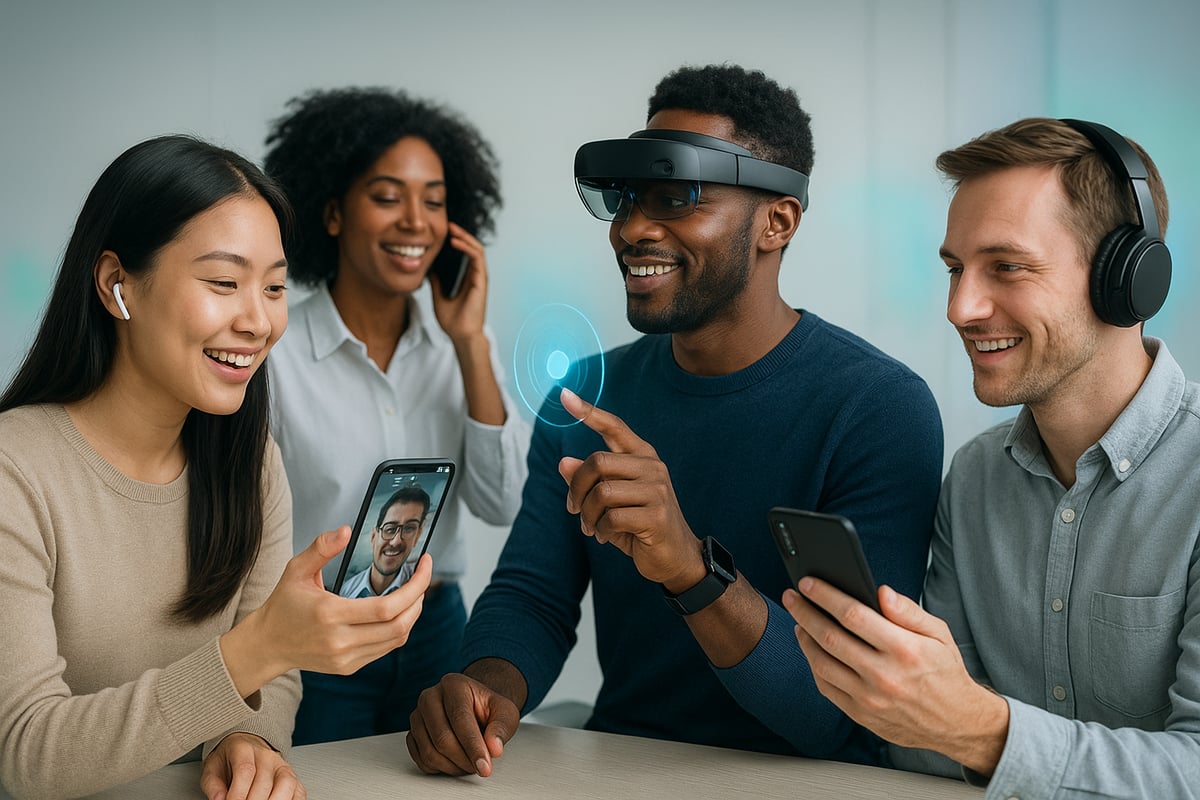
1. Real-Time, AI-Enhanced Conversations
Social media in 2026 leverages advanced AI to make conversations faster, smarter, and more inclusive than ever. AI-powered chatbots and virtual assistants now handle millions of exchanges daily, providing instant, context-aware replies for users and businesses alike.
Translation tools have matured, allowing seamless real-time discussions between people who speak different languages. For example, WhatsApp and Messenger both integrate AI-driven translation and smart reply features, making cross-border communication effortless.
This evolution in social media in global business means companies collaborate across continents without friction. AI chat features are now standard across platforms, reducing misunderstandings and enhancing productivity.
However, as social media in 2026 relies more on AI, issues of privacy and accuracy come into focus. Users must balance the benefits of efficiency with concerns over data use and the potential for mistakes in automated responses.
Looking forward, the partnership between humans and AI on social media in communication will only deepen, driving both innovation and new ethical discussions.
2. Short-Form Video as the New Language
Short-form video dominates social media in 2026, becoming the primary mode of expression for billions. Platforms such as TikTok, Instagram Reels, and YouTube Shorts have made it effortless to create, share, and consume engaging video content.
With TikTok nearing 2 billion monthly users, social media in the modern era is shaped by rapid, visual storytelling. Features like video replies and interactive filters drive creativity and emotional resonance.
Short-form video is now the go-to for news, education, and daily updates. Users prefer quick, visually-rich content over traditional text, shifting how information is shared and received. This trend is explored further in Short-Form Video Trends in 2026.
Social media in this context encourages more creativity but also requires users to adapt to shorter attention spans. Viral challenges and visual memes cross borders instantly, making video the universal language of the digital world.
3. Hyper-Personalized Content Streams
Personalization is at the core of social media in 2026. Algorithms powered by machine learning analyze user interests, behaviors, and networks to deliver content that feels tailor-made.
Major platforms like Facebook, Instagram, and X (Twitter) have deepened personalization, ensuring users see the most relevant posts, ads, and conversations. This makes social media in daily life more engaging and efficient.
For users, the benefit is clear: less noise, more meaningful interaction. Brands also thrive, reaching audiences with precision and relevance. However, social media in this highly personalized age brings risks such as echo chambers and filter bubbles.
Engagement metrics continue to climb as social media in 2026 perfects the art of personalization. Still, users and platforms must remain vigilant to avoid the pitfalls of misinformation and narrow worldviews.
4. Decentralized and Private Communication Channels
Privacy is a top priority for social media in 2026. Encrypted messaging apps like Telegram, WhatsApp, and Signal have surged in popularity, with Telegram surpassing 1 billion users.
The shift is clear: social media in today’s world is moving from public posts to private, invite-only groups. Users want control over their data and audience, creating smaller, more trusted spaces for communication.
Blockchain-based platforms and decentralized networks are gaining traction, offering even greater security and autonomy. This trend in social media in communication enhances trust, but also poses challenges for marketers trying to reach these closed communities.
For users, the result is a more authentic, secure environment. But brands must rethink their strategies as social media in 2026 becomes increasingly fragmented and privacy-focused.
5. Social Commerce and Conversational Shopping
Social media in 2026 seamlessly integrates e-commerce and communication. Platforms like Instagram Shops, Facebook Marketplace, and TikTok Shop allow users to browse, chat, and purchase without leaving the app.
Live shopping streams and influencer-driven recommendations are now mainstream. On social media in this era, brands engage with customers through real-time Q&A, live product demos, and instant reviews.
For example, Instagram and TikTok enable in-app purchases directly via chat and video, making social media in commerce a truly interactive experience. Conversion rates and user engagement have soared as a result.
The blending of communication, entertainment, and shopping on social media in 2026 means businesses must adapt quickly to stay relevant and accessible.
6. The Rise of Virtual and Augmented Reality Interactions
Virtual and augmented reality are transforming social media in 2026. Platforms like Meta’s Horizon Worlds and Snapchat’s AR filters have brought immersive experiences into everyday communication.
Businesses now host product launches, training sessions, and events in virtual spaces, making social media in the workplace more engaging and interactive. Users connect emotionally through avatars and shared virtual environments.
The impact of social media in remote work, education, and cross-border collaboration is profound. VR/AR interactions foster deeper relationships, even when participants are continents apart.
Yet, challenges remain. Accessibility and hardware costs limit widespread adoption, and prolonged use can lead to digital fatigue. Still, social media in 2026 is set to make immersive communication the new norm.
7. Ephemeral and Disappearing Content Culture
Ephemeral content is at the heart of social media in 2026. Stories, Fleets, and temporary posts on Snapchat, Instagram, and Facebook attract users seeking authenticity and spontaneity.
The 24-hour content cycle encourages candid sharing, free from the pressure of perfection. Social media in this format fosters more genuine, less curated communication styles.
Brands and individuals alike use ephemeral content to deliver timely updates, flash sales, or behind-the-scenes glimpses. Daily active users engaging with these formats have increased dramatically.
However, social media in this context carries some risks, such as loss of valuable records and impulsive sharing. Still, the appeal of temporary content continues to grow.
8. Community-Driven Micro-Networks
Micro-networks are reshaping social media in 2026. Niche communities on Reddit, Discord, Facebook Groups, and emerging platforms empower users to connect over shared interests or identities.
Discord, for example, now boasts over 200 million monthly active users, serving hobbyists and professionals alike. Social media in these spaces enables peer-to-peer learning, support, and collaboration.
Brands have recognized the power of micro-networks, leveraging them for targeted engagement and feedback. Social media in this form creates opportunities for meaningful, focused interaction.
Moderation remains a challenge, as social media in smaller communities must balance open dialogue with healthy discourse. Still, the rise of micro-networks signals a new era of personalized connection.
9. Voice and Audio Communication’s Resurgence
Voice and audio are making a comeback on social media in 2026. Voice messaging, podcasts, and live audio rooms like Clubhouse and Twitter Spaces offer new ways to connect and share.
WhatsApp and Messenger users increasingly prefer voice notes over text, especially in regions where literacy or accessibility is a concern. Social media in this format brings nuance and intimacy to digital conversation.
Podcasts and audio rooms have seen tremendous growth, with millions tuning in for news, education, and entertainment. Social media in the audio space enables multitasking and deeper engagement.
Businesses and influencers are adopting audio to reach audiences more personally, making social media in 2026 a richer, more diverse communication landscape.
10. Algorithmic Moderation and Digital Civility
Content moderation is critical for social media in 2026. Advanced AI and machine learning tools monitor conversations to reduce hate speech, misinformation, and abuse.
Platforms like Facebook and YouTube deploy real-time filters, helping maintain a safe environment for users. Social media in this era must balance free expression with the need for trust and safety.
Transparency in moderation processes is increasingly important, as users demand accountability. Social media in 2026 shows a decline in reported abuse on platforms with effective moderation.
Debates continue around censorship and algorithmic bias, but the trend is clear: social media in the future relies on AI to foster digital civility.
11. Cross-Platform Integration and Seamless Connectivity
Managing multiple social identities is easier on social media in 2026, thanks to integrated messaging, notifications, and content sharing. Meta’s integration of Facebook, Instagram, and WhatsApp messaging is a prime example.
Social media in this integrated world offers unified communication, simplifying how users connect and share across platforms. The rise of “super apps” further streamlines the experience.
However, social media in this context raises concerns about data privacy, platform lock-in, and digital overload. Brands must adapt strategies to maintain user loyalty in a seamlessly connected landscape.
Ultimately, social media in 2026 is about breaking down barriers, making global communication more accessible and efficient.
12. Generational Shifts and the Globalization of Communication
Generational change powers social media in 2026. Gen Z and Alpha are driving new formats, slang, and visual trends, shaping the way the world communicates.
Cross-border friendships, remote work, and multicultural communities flourish on platforms like TikTok and Instagram. Social media in these spaces bridges cultural divides, fostering empathy and global perspectives.
Demographic data shows younger users dominate emerging platforms, influencing content and communication styles. Social media in this context is both a unifying force and a challenge, as users navigate cultural sensitivities and digital divides.
The globalization of social media in 2026 is creating a more connected, empathetic world, even as it presents new questions about identity and inclusion.
Social Media Trends Impacting Business and Marketing Strategies
The landscape of business communication has shifted dramatically with the rise of social media in recent years. Brands no longer rely solely on traditional broadcast messages. Instead, they are embracing platforms where conversations unfold in real time, and engagement is expected, not optional.
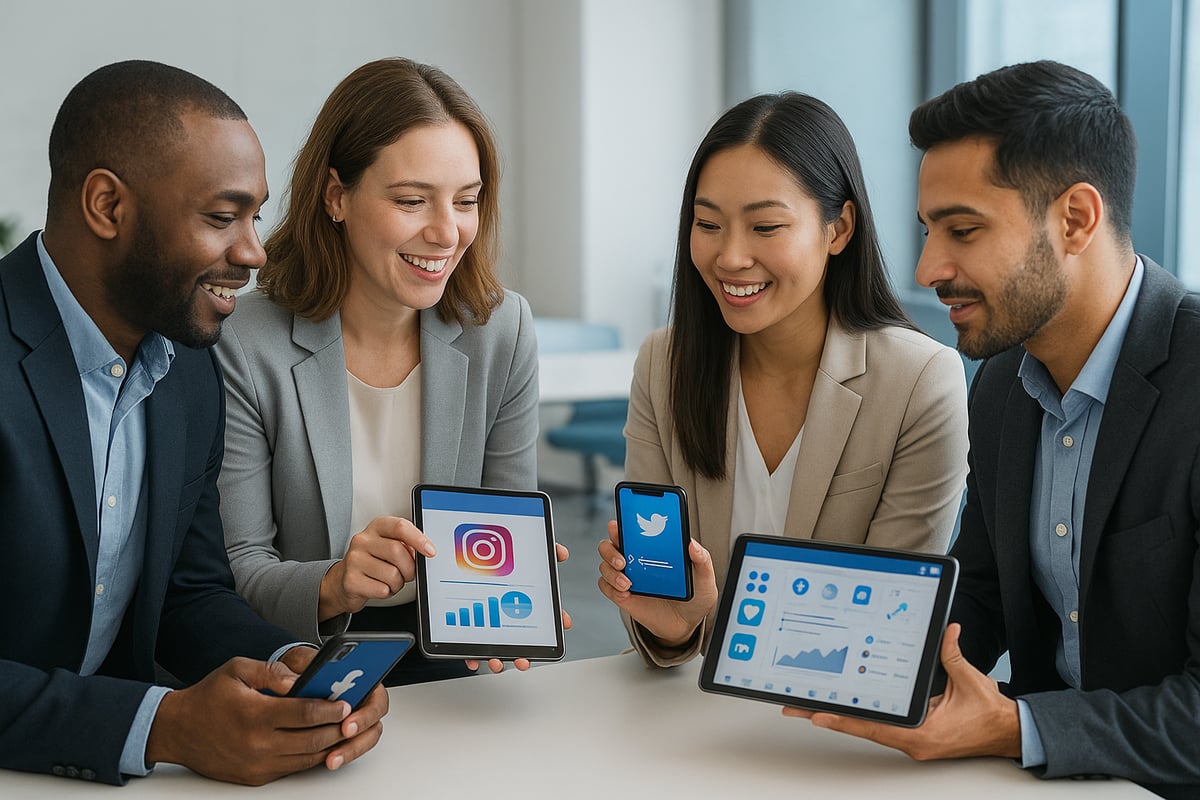
Adapting to Social-First Communication
Social media in 2026 has pushed businesses to rethink how they interact with audiences. Communication is now a two-way street, where responsiveness, transparency, and authenticity are crucial to building trust.
Brands are investing in real-time engagement, responding to comments, and addressing concerns openly. This approach strengthens relationships, turning one-time buyers into loyal advocates. Companies also leverage micro-networks and community-driven platforms to reach niche audiences and foster deeper connections.
Many leading organizations partner with best content marketing companies to create compelling, shareable stories that resonate in the crowded social media in environment. This shift from pure promotion to genuine conversation has redefined what success looks like in digital marketing.
Data-Driven Engagement and Content Strategies
The power of analytics has transformed social media in business strategy. Brands now rely on data to guide every decision, from campaign planning to customer support.
AI-powered tools track sentiment, monitor trends, and identify what content drives the most engagement. Marketers use these insights to shape creative campaigns, personalize outreach, and optimize timing for maximum impact. According to recent studies, companies that prioritize analytics see higher ROI from influencer collaborations, interactive content, and targeted micro-network campaigns.
The adoption of AI is accelerating: a survey of over 560 marketers highlighted in AI’s Role in Social Media Marketing shows a significant uptick in machine learning-driven strategies for 2026. As a result, brands can anticipate market shifts, respond to feedback instantly, and fine-tune messaging for different audience segments.
| Strategy | ROI Increase (%) | Popularity in 2026 |
|---|---|---|
| Influencer Partnerships | 28 | High |
| Interactive Content | 22 | Growing |
| Micro-Network Campaigns | 19 | High |
Navigating Challenges and Regulatory Shifts
While social media in offers unprecedented opportunities, it also brings new challenges. Platforms frequently update algorithms, forcing brands to adapt quickly or risk losing visibility.
Content fatigue is another hurdle. With so much information competing for attention, businesses must innovate to keep audiences engaged. Regulatory compliance, especially around privacy and data usage, adds complexity to campaign planning.
Some brands have stumbled by failing to maintain transparency or by not responding swiftly to public feedback. Others have faced penalties for not adhering to evolving advertising standards. Staying informed and agile is essential for mitigating risks in this dynamic landscape.
Actionable Recommendations for 2026
For organizations hoping to thrive with social media in 2026, several strategies stand out:
- Prioritize authentic engagement over pure promotion.
- Invest in analytics and social listening to inform decisions.
- Collaborate with trusted content creators and influencers.
- Stay updated on platform changes and regulatory requirements.
- Diversify content formats to combat fatigue—consider video, stories, and live interactions.
By focusing on these areas, businesses can build lasting relationships, drive measurable results, and stay ahead in the evolving world of social media in.
The Future of Human Connection in a Social-First World
As we look toward the future, social media in 2026 stands at the crossroads of technology and humanity. The next wave of digital communication will not just connect people faster but will redefine what it means to form relationships in a borderless, always-connected world. With over 5.41 billion users globally, social media in the coming years will continue to influence how we express empathy, build trust, and nurture community.
Emerging technologies are rapidly transforming the landscape. Artificial intelligence, virtual and augmented reality, and blockchain are all shaping how social media in 2026 operates. AI-powered tools are making conversations more intuitive and accessible, as highlighted in AI’s Impact on Social Media Communication. VR and AR are enabling immersive interactions, allowing people to collaborate and socialize in virtual spaces that closely mimic real life. Blockchain promises greater transparency and control over personal data, fostering trust and accountability in digital interactions.
Despite these advances, the core challenge remains: How do we balance the convenience of social media in our lives with the need for authentic, meaningful connections? Ethical concerns, such as privacy, digital well-being, and responsible citizenship, are at the forefront of the conversation. Platforms like the social media community platform are evolving to prioritize safe, supportive environments where users can engage thoughtfully and respectfully.
To thrive in this social-first world, individuals and organizations must cultivate adaptability and emotional intelligence. Success will come to those who can navigate rapid change, leverage technology for positive outcomes, and maintain genuine human connection amid digital noise. The future of human connection lies not just in the tools we use, but in the values and intentions we bring to every online interaction.
As we’ve explored, social media in 2026 is transforming the way we connect, share ideas, and grow our businesses. Navigating these changes can feel overwhelming, but understanding where your business stands today is the first step to staying ahead. If you’re curious about how your digital presence measures up in this fast-evolving landscape, I invite you to take advantage of a Free Visibility Snapshot. This personalized report can help you identify new opportunities, highlight strengths, and reveal actionable strategies for future growth. Let’s move your business forward together.