Did you know that over 4.95 billion people worldwide now use social media? This staggering figure highlights just how central these platforms have become to daily life and business. Social media has revolutionized how brands connect with audiences, driving unprecedented growth and brand visibility.
In today’s digital-first world, mastering online marketing social media is no longer optional for businesses aiming to stand out in 2026. Those who adapt quickly will seize opportunities, while others risk falling behind. Are you ready to take your strategy to the next level?
This guide delivers actionable insights, cutting-edge trends, and proven strategies to help you excel in online marketing social media. Discover how to navigate evolving platforms, target the right audiences, craft compelling content, optimize advertising, analyze results, and prepare for the future. Let’s unlock unstoppable success together.
The Evolving Social Media Landscape in 2026
The world of online marketing social media is experiencing rapid transformation as we approach 2026. Businesses now operate in an ecosystem where nearly two-thirds of the global population are active social media users. This evolution brings new opportunities, shifting expectations, and fresh challenges for brands aiming to maximize their impact.
Major Platforms and Their Roles
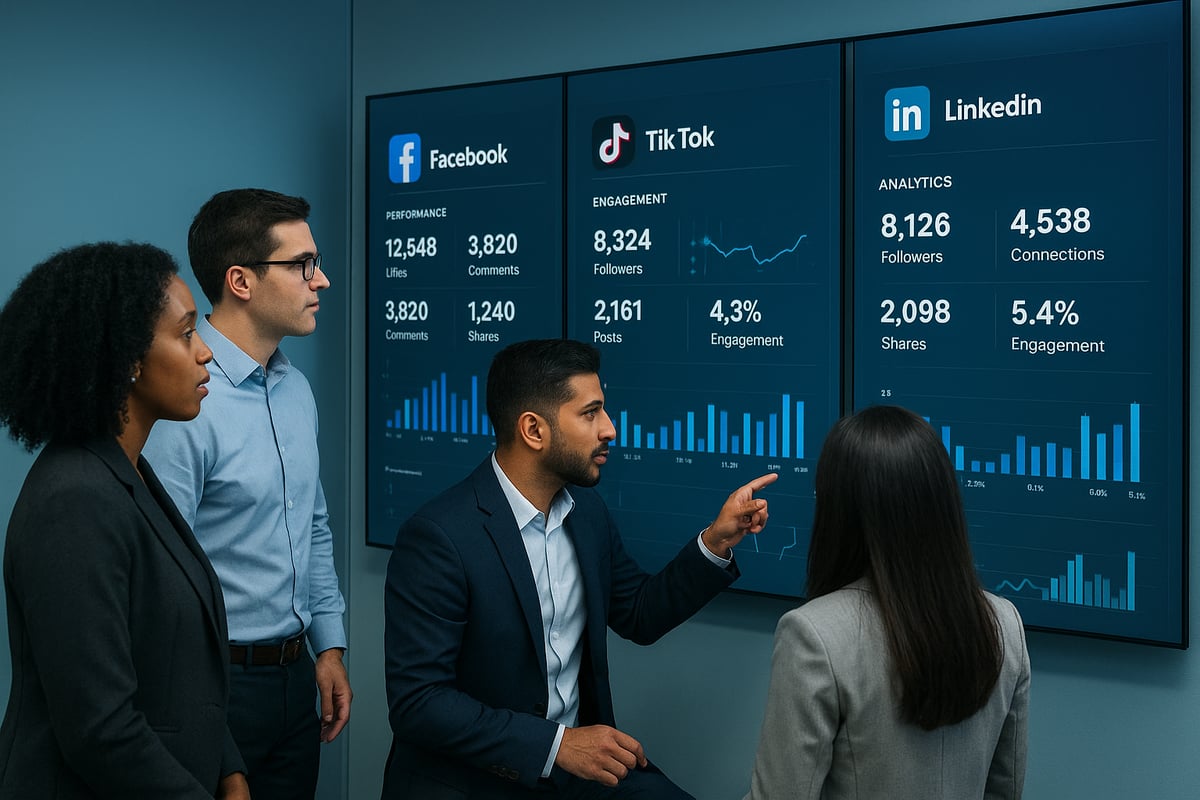
Online marketing social media strategies in 2026 center around a handful of dominant platforms, each offering unique advantages. Facebook continues to reign with over 3 billion users, providing unmatched reach and a proven high return on ad spend. Instagram thrives as a hub for shopping, influencer partnerships, and immersive Stories, making it vital for brand storytelling.
TikTok’s exponential engagement rate, particularly with Gen Z, sets it apart for viral campaigns and short-form video. LinkedIn remains indispensable for B2B marketing and professional networking, while niche and emerging platforms are capturing specialized audiences. Across all platforms, video content, ephemeral posts, and direct shopping features are shaping user experiences.
Recent statistics reveal that over 60% of the world’s population engages with social media. TikTok’s engagement rates surpass those of Facebook and Instagram, making it a top choice for brands seeking rapid growth. For a deeper dive into effective platform-specific tactics, explore Online Social Media Marketing Strategies.
Shifts in User Behavior and Expectations
Consumers in 2026 expect more from online marketing social media than ever before. Personalization is paramount, with users demanding tailored content and authentic interactions. Social commerce continues to grow, enabling seamless in-app purchasing and reducing friction in the buyer’s journey.
Short-form, interactive, and highly visual content dominates feeds, while rapid customer service via social channels has become a baseline expectation. Privacy and transparency are now central to building trust, as users scrutinize how brands handle their data.
Peer recommendations and social proof heavily influence purchasing decisions. Notably, Facebook is the preferred customer service channel for 60% of consumers, demonstrating the platform’s continuing relevance in brand-consumer relationships.
Key Challenges and Opportunities
Navigating the ever-changing landscape of online marketing social media requires agility. Marketers face ongoing algorithm updates, which can reduce organic reach and shift content priorities. Balancing organic and paid strategies is essential, as is adapting to each platform’s evolving ad policies and formats.
Automation and AI tools offer new efficiencies, allowing brands to target hyper-specific audiences at lower costs. Managing brand reputation in real time is both a challenge and an opportunity, with targeted social posts often yielding a lower cost per click than traditional Google Ads.
The ability to respond quickly to trends and feedback can set brands apart. Those who leverage data-driven insights and automation will find themselves ahead in this dynamic environment.
Essential Skills for Social Media Marketers
Success in the online marketing social media space demands a blend of analytical and creative skills. Marketers must be adept at data analysis, transforming insights into actionable strategies. Creative content creation—including compelling visuals, engaging videos, and persuasive copywriting—remains a core requirement.
Community management and real-time engagement are crucial for nurturing brand loyalty. Expertise in paid advertising and campaign optimization ensures that budgets are used effectively.
Automation, workflow management, and crisis response skills round out the toolkit. Ongoing education and adaptability help marketers stay ahead as platforms and user expectations evolve, ensuring brands remain relevant and competitive.
Building a Winning Social Media Strategy for 2026
Every successful online marketing social media campaign starts with a clear, actionable strategy. By 2026, the digital landscape demands more than just a presence — it requires a focused, data-driven plan that adapts to new behaviors, technologies, and trends. Building a winning strategy means aligning your efforts with business goals, understanding your audience on a deeper level, creating standout content, and leveraging the right tools for efficiency.
Setting Clear Objectives and KPIs
Defining your objectives is the cornerstone of any strong online marketing social media strategy. Start by linking your social goals directly to overall business outcomes, such as increasing brand awareness, driving website traffic, or generating leads.
Measurable KPIs ensure you can track progress and optimize efforts. Common KPIs include:
- Reach and impressions
- Engagement rates (likes, comments, shares)
- Conversion and click-through rates
- Return on investment (ROI)
Research your target audience and develop detailed personas to guide your content and campaign focus. Benchmark against competitors to set realistic, data-backed targets. Multi-channel attribution is also essential to understand how social contributes to larger marketing outcomes.
For example, brands that monitor conversion rates alongside click-through metrics can more accurately gauge the real impact of their online marketing social media initiatives.
Audience Targeting and Segmentation
Knowing your audience is at the heart of effective online marketing social media. Use analytics from each platform to uncover core demographics, such as age, location, interests, and online behaviors.
Segmentation allows you to:
- Personalize content and offers for specific groups
- Refine targeting for paid ads using lookalike and custom audiences
- Adjust messaging based on user preferences and activity
Social listening tools provide real-time insights into what your audience cares about. For instance, brands often refine their targeting strategies based on evolving user behavior, ensuring content feels relevant and timely.
According to recent studies, 49 percent of consumers discover new products through targeted ads, underscoring the power of precise audience segmentation in online marketing social media efforts.
Content Planning and Creation
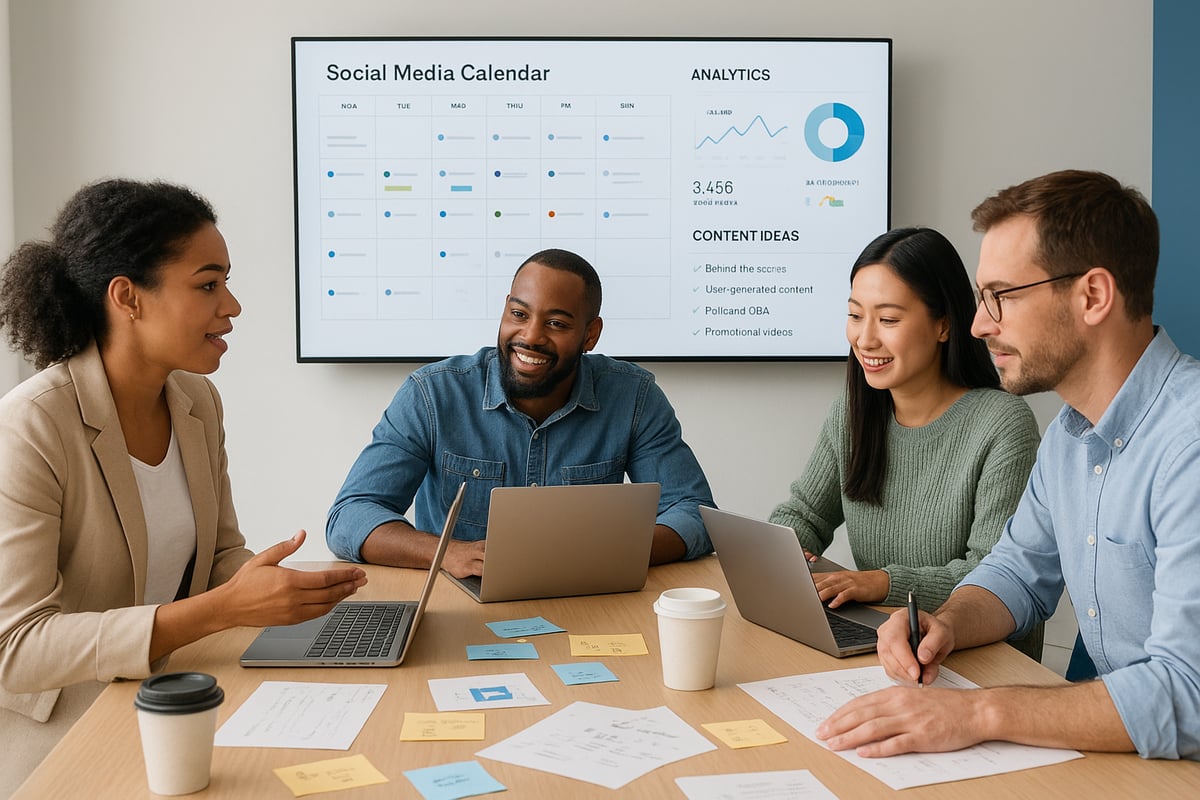
A robust content plan brings consistency and creativity to your online marketing social media presence. Develop a content calendar that balances evergreen posts, trending topics, and promotional campaigns to keep your messaging fresh.
Key strategies include:
- Mixing video, stories, and interactive formats to boost engagement
- Partnering with influencers and leveraging user-generated content
- Tailoring content for each platform’s strengths and audience expectations
Storytelling is crucial — it fosters brand loyalty and emotional connection. For example, integrating Instagram’s “Shop Now” buttons enables seamless purchasing, blending inspiration with action.
To stay ahead, align your content planning with Digital Marketing Trends for 2026: 10 Strategies to Stay Ahead. This resource offers actionable insights to ensure your strategy remains relevant and competitive.
Social Media Management Tools and Automation
Efficiency in online marketing social media comes from using the right management tools. Scheduling and publishing platforms help maintain a steady posting cadence, while AI-driven analytics provide actionable recommendations for content and timing.
Key features to prioritize:
- Automated customer responses for rapid engagement
- Integrated CRM and marketing platforms for a unified view
- Real-time monitoring of brand mentions and sentiment
Automation not only saves time but also ensures you never miss critical interactions or trends. For example, businesses that automate posts and reporting can maximize impact and pivot strategies quickly based on performance data.
Building a winning online marketing social media strategy for 2026 means blending clear objectives, precise targeting, creative content, and smart automation. With these pillars, your brand is positioned for measurable growth and sustained digital success.
Maximizing Engagement and Community Growth
Building a thriving brand community is essential for anyone aiming to excel in online marketing social media. Engagement is not just about likes or shares, but about nurturing genuine relationships and encouraging meaningful participation. In 2026, brands that prioritize authentic interaction will see stronger loyalty and sustainable growth.

Fostering Authentic Connections
Success in online marketing social media starts with building trust. Respond promptly to comments and messages, showing followers that every voice matters. Brands that create interactive content like polls, live Q and As, and real-time stories invite audiences to participate, making them feel heard and valued.
A strong community forms when brands showcase behind-the-scenes moments and celebrate user stories. Advocacy programs and micro-influencer partnerships can help foster deeper bonds over shared interests. Encouraging reviews, testimonials, and user participation not only builds credibility but also amplifies organic reach.
Consistency is key. According to Consistent Social Posting for Trust, regular updates strengthen customer trust, which is vital for sustained engagement. By weaving online marketing social media efforts into daily brand activities, businesses can turn casual followers into loyal advocates.
Leveraging Paid Social Advertising
Paid social advertising remains a powerful lever in online marketing social media strategies. Choosing the right ad formats, such as carousel ads, video spots, or interactive stories, ensures your message resonates with target audiences. Allocate budgets wisely, focusing on platforms where your audience is most active.
A/B testing of creatives and copy helps refine campaigns for better conversions. Retargeting website visitors and cart abandoners can recover lost opportunities and improve ROI. With an average Facebook conversion rate exceeding 9 percent, the potential for growth is significant.
To remain compliant, always respect privacy and data regulations. Using platform-specific shopping features streamlines the customer journey, making it easier for followers to become customers. Integrating paid promotions with organic content maximizes the impact of your online marketing social media campaigns.
Influencer Marketing and Partnerships
Influencer marketing has become an integral component of online marketing social media. Identify influencers whose values align with your brand for authentic collaborations. Structure clear partnerships and contracts to ensure mutual benefit and transparency.
Measuring influencer campaign effectiveness is essential. Track reach, engagement, and conversions to determine ROI. Navigating FTC guidelines and maintaining transparency with sponsored content builds trust with audiences.
TikTok provides an ideal environment for influencer marketing, especially for brands targeting younger demographics. Consider both micro and macro influencers, balancing broad reach with high engagement rates. Integrating influencer content into broader campaigns amplifies your message and extends your community’s reach, driving greater results in online marketing social media.
Data-Driven Decision Making: Analytics, ROI, and Optimization
In 2026, data-driven decision making is the backbone of every successful online marketing social media strategy. Businesses that leverage analytics have a clear advantage, as they can pinpoint what works and adapt quickly. By consistently tracking performance, marketers ensure their efforts are not just creative but also measurable and aligned with business growth.

Tracking and Measuring Performance
To excel in online marketing social media, tracking the right metrics is essential. Marketers focus on reach, engagement, click-through rates, conversions, and customer lifetime value. Setting up detailed analytics dashboards on platforms like Facebook, Instagram, and LinkedIn allows businesses to review real-time and historical data side by side.
Using UTM parameters and multi-touch attribution reveals which channels truly drive results. For example, Facebook ads average a cost per click of $1.72, making it crucial to monitor ROI closely. Regular reporting and insight sharing help teams identify high-performing content and optimize future campaigns.
A summary of key performance metrics:
| Metric | Description | Why It Matters |
|---|---|---|
| Reach | Number of unique viewers | Gauges brand awareness |
| Engagement | Likes, shares, comments | Shows audience interest |
| CTR | Click-through rate | Measures ad/content relevance |
| Conversions | Completed desired actions | Tracks campaign effectiveness |
| LTV | Customer lifetime value | Informs long-term strategy |
Consistent evaluation of these metrics ensures online marketing social media campaigns remain on target.
Optimizing Campaigns for Better Results
Continuous optimization sets apart high-performing online marketing social media campaigns. Marketers use iterative testing, adjusting headlines, visuals, and calls to action based on performance data. Automation tools help optimize ad spend and refine targeting, ensuring budgets are allocated where they drive the most impact.
Cross-channel integration provides a holistic view, allowing businesses to scale successful tactics across platforms. Learning from competitor benchmarks and industry trends is vital. For those seeking expert insights, The 6 Marketing Trends to Watch in 2026 offers valuable guidance for staying ahead in a dynamic environment.
Regular A/B testing, automated scheduling, and real-time adjustments help maintain high engagement and efficiency. By leveraging these strategies, online marketing social media efforts become more effective and resilient.
Reputation and Crisis Management
Brand reputation is more visible than ever in the age of online marketing social media. Monitoring brand mentions and sentiment across platforms enables rapid response to negative feedback. Teams should establish clear protocols for addressing issues, turning challenges into opportunities for trust-building.
Proactive strategies include encouraging positive reviews, sharing customer stories, and maintaining transparency during crises. Facebook remains a primary channel for customer service, highlighting the need for swift, authentic communication.
Training staff for effective public communication and regularly reviewing sentiment data helps protect and enhance brand reputation. In a fast-moving digital landscape, businesses that prioritize reputation management within their online marketing social media strategy are better equipped to navigate uncertainty and foster loyalty.
Future Trends and Innovations in Social Media Marketing
The pace of change in online marketing social media is relentless. As we move into 2026, businesses must anticipate and embrace innovations that will define success. From AI-powered personalization to advanced social commerce and evolving regulations, the landscape is rapidly transforming. Here is what brands need to know to stay ahead.
AI, Automation, and Personalization
Artificial intelligence is revolutionizing online marketing social media. AI-driven tools now generate tailored content, automate scheduling, and optimize campaigns in real time. Marketers can deploy chatbots for instant customer service, while predictive analytics forecast trends and audience behaviors.
Personalization is reaching unprecedented levels. Hyper-personalized ads and recommendations, powered by machine learning, increase relevance and engagement. AR and VR integrations are making immersive branded experiences possible, letting users try products virtually before buying. Dynamic creative optimization enables brands to test and deploy multiple ad variations for maximum impact.
Automation frees up time for strategy and creativity. Marketers can focus on building authentic connections as AI handles repetitive tasks. For an in-depth look at how these innovations are shaping the industry, explore Digital Marketing Trends for 2025.
Social Commerce and New Monetization Models
Social commerce is transforming how consumers shop and how brands sell. Platforms like Instagram and TikTok now offer seamless in-app shopping, shoppable videos, and live commerce, allowing users to purchase products without leaving the app. Product tagging and direct purchasing are removing friction from the buyer journey.
Subscription-based content and premium communities are gaining momentum, providing creators and brands with recurring revenue streams. Decentralized social networks and blockchain solutions are emerging, giving users more control over data and monetization.
Consider these trends:
- Over 40% of consumers discover products via organic social posts.
- Live shopping events are driving real-time engagement and sales.
- New monetization tools empower micro-influencers to earn from niche audiences.
As social commerce becomes a core part of online marketing social media, brands must adapt strategies to leverage these opportunities.
Navigating Privacy, Ethics, and Regulation
The regulatory landscape is evolving alongside online marketing social media. Data privacy laws such as GDPR and CCPA require brands to manage consent and transparency with care. Marketers are shifting toward first-party data strategies, building trust by clearly communicating how information is used.
With the decline of third-party cookies, attribution and tracking are being reimagined. Ethical advertising is not just a trend but a necessity, as consumers demand honesty and authenticity. Proactive compliance is crucial to avoid penalties and reputational damage.
Key considerations include:
- Adapting to cookie-less attribution models.
- Training teams on ethical communication.
- Preparing for future regulatory changes.
Building trust is the foundation for long-term success in online marketing social media. Brands that prioritize ethics and transparency will stand out as regulations continue to evolve.
Expert Support for Social Media Success
Achieving measurable results in online marketing social media often requires expert guidance and a tailored approach. Businesses looking to elevate their digital presence and drive consistent growth benefit from partnering with professionals who understand the latest trends and strategies.
Mountain Mover Coaching and Digital Marketing stands out as a trusted partner for organizations seeking comprehensive support. Led by Pat Bruce, the team specializes in website design, SEO, social media management, digital advertising, and reputation management.
Their hands-on, results-driven methodology empowers business leaders to scale operations effectively. A free online business performance snapshot is available, helping identify strengths and areas for improvement.
Whether you are a small business, entrepreneur, or established organization, expert coaching can provide the competitive edge needed for sustainable success in 2026’s dynamic online marketing social media landscape.
As you look ahead to mastering social media in 2026, it’s clear that having the right strategy and expert support can make all the difference. We’ve covered the latest trends, essential skills, and data-driven tactics to help you build a thriving online presence—but understanding where your business stands today is the first step to unlocking real growth. If you want a personalized look at your current visibility and actionable tips for improvement, I encourage you to check out your Free Visibility Snapshot. It’s a practical way to start shaping your success story for the digital future.