
A marketing strategy using social media has become essential for businesses seeking to expand their reach, engage customers, and drive sustainable growth in 2026. With over 5 billion social media users worldwide, platforms like Facebook, Instagram, LinkedIn, and TikTok offer unprecedented opportunities to connect with target audiences, build brand awareness, and generate qualified leads. However, success requires more than simply posting content-it demands a systematic approach that aligns social platforms with broader business objectives, audience insights, and measurable outcomes.
Understanding the Foundation of Social Media Marketing Strategy
Developing an effective marketing strategy using social media begins with understanding your business goals and how social platforms can support them. Whether you're focused on lead generation, brand awareness, customer retention, or driving website traffic, each objective requires a tailored approach that leverages the unique strengths of different platforms.
Defining Clear Business Objectives
The first step in crafting a marketing strategy using social media involves establishing specific, measurable goals. These objectives should align with your overall business strategy and provide clear benchmarks for success.
Key objectives to consider:
- Increasing brand awareness and recognition within your target market
- Generating qualified leads and sales conversions
- Building community engagement and customer loyalty
- Driving traffic to your website or landing pages
- Establishing thought leadership in your industry
Developing effective social media marketing strategies requires researching competitors and choosing the right channels that align with your specific business needs. For businesses in the digital marketing space, understanding these foundational elements becomes critical to delivering measurable results for clients.
Identifying Your Target Audience
A successful marketing strategy using social media depends on knowing exactly who you're trying to reach. This goes beyond basic demographics to include psychographics, behavioral patterns, pain points, and content preferences.
| Audience Factor | Questions to Ask | Impact on Strategy |
|---|---|---|
| Demographics | Age, location, income, education level? | Platform selection, content tone |
| Psychographics | Values, interests, lifestyle choices? | Messaging, visual style |
| Behaviors | Online habits, purchase patterns, device usage? | Posting times, content formats |
| Pain Points | What challenges do they face? | Content topics, value propositions |

Selecting the Right Social Media Platforms
Not all social media platforms serve the same purpose or reach the same audiences. A strategic marketing strategy using social media requires careful platform selection based on where your target audience spends their time and how they prefer to consume content.
Platform-Specific Strengths
LinkedIn excels for B2B marketing, professional networking, and thought leadership content. Companies offering coaching, consulting, or professional services find LinkedIn particularly effective for reaching decision-makers and establishing credibility.
Facebook provides robust advertising capabilities and community-building features. With sophisticated targeting options and a diverse user base, it remains valuable for local businesses and those seeking broad reach.
Instagram dominates visual storytelling and brand building, particularly effective for lifestyle brands, creative services, and businesses targeting younger demographics.
TikTok has emerged as a powerful platform for viral content and reaching Gen Z and younger Millennial audiences through short-form video content.
Twitter/X facilitates real-time engagement, news sharing, and conversations around trending topics, ideal for brands focused on timely content and industry commentary.
For digital marketing agencies and coaching businesses, LinkedIn and Facebook often provide the highest return on investment due to their professional user base and advanced targeting capabilities.
Creating Compelling Content That Converts
Content sits at the heart of any marketing strategy using social media. The content you create must educate, entertain, or inspire your audience while guiding them toward your business objectives.
Content Types and Formats
- Educational content: How-to guides, tutorials, industry insights, and expert tips
- Behind-the-scenes content: Team introductions, process demonstrations, company culture
- User-generated content: Customer testimonials, case studies, success stories
- Interactive content: Polls, quizzes, Q&A sessions, live videos
- Promotional content: Product announcements, special offers, service highlights
The 80/20 rule remains effective: 80% of your content should provide value, education, or entertainment, while 20% can be directly promotional. This balance maintains audience engagement while still driving business results.
Content Calendar Development
A structured content calendar ensures consistency and strategic alignment. Plan content themes monthly, outline specific posts weekly, and maintain flexibility for real-time opportunities.
Essential calendar elements:
- Post dates and times optimized for your audience's activity patterns
- Platform-specific content variations to maximize each channel's strengths
- Content themes aligned with business goals and seasonal opportunities
- Hashtag strategies for improved discoverability
- Team member assignments and approval workflows
According to building a successful social media strategy, competitive analysis and content optimization play crucial roles in maintaining relevance and effectiveness.
Implementing Paid Social Media Advertising
While organic reach remains valuable, a comprehensive marketing strategy using social media incorporates paid advertising to accelerate results and reach specific audience segments with precision.
Advertising Platform Selection
Different platforms offer distinct advertising advantages. Online advertising agencies typically recommend starting with platforms where your audience is most active and gradually expanding based on performance data.
| Platform | Best For | Key Advantage | Typical Cost |
|---|---|---|---|
| Facebook Ads | Broad reach, local targeting | Detailed audience insights | $0.50-$2.00 CPC |
| Instagram Ads | Visual brands, younger audiences | High engagement rates | $0.70-$1.00 CPC |
| LinkedIn Ads | B2B, professional services | Decision-maker targeting | $5.00-$6.00 CPC |
| TikTok Ads | Gen Z, viral potential | Rapid audience growth | $1.00-$2.00 CPC |
Creating Effective Ad Campaigns
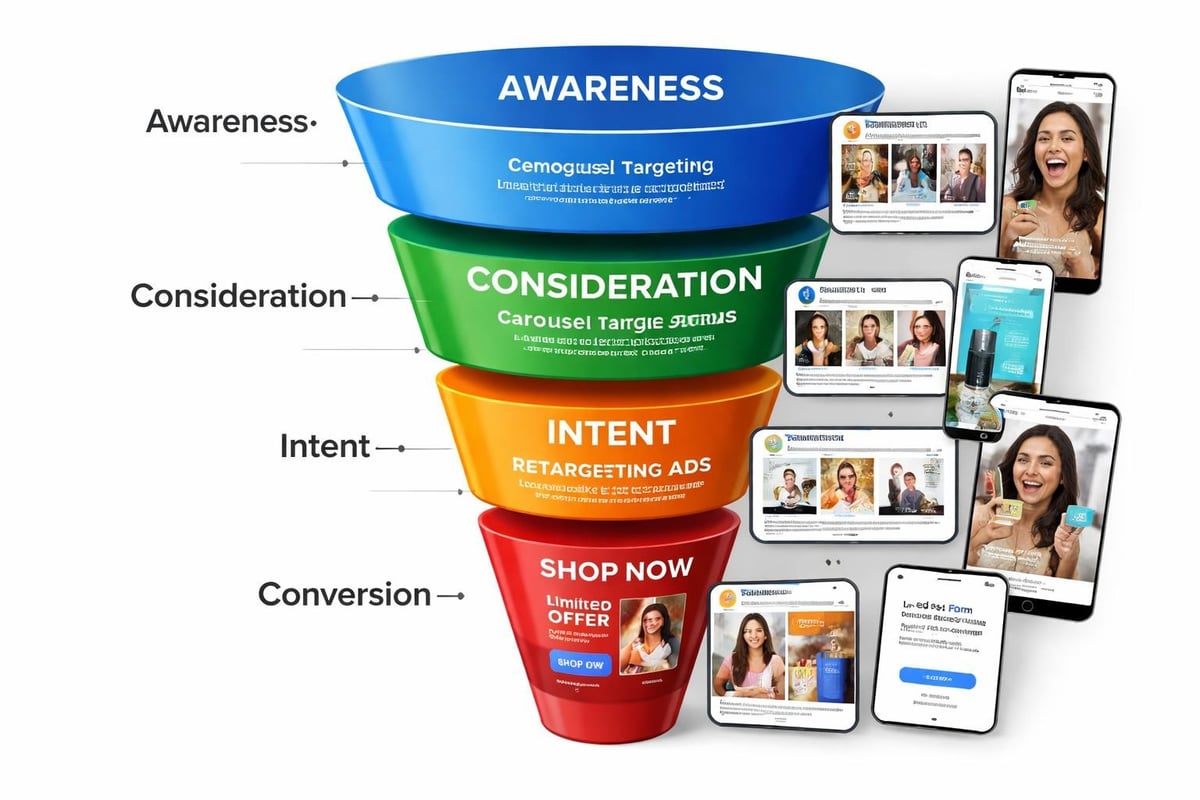
Successful paid social campaigns require careful planning across multiple elements. Start with clear conversion objectives, whether that's website visits, lead form submissions, or direct sales.
Campaign structure best practices:
- Segment audiences based on awareness level (cold, warm, hot)
- Create platform-specific creative that follows native content formats
- A/B test headlines, images, calls-to-action, and targeting parameters
- Implement retargeting campaigns to re-engage interested prospects
- Set daily budgets and bid strategies aligned with conversion value
Leveraging Analytics and Performance Metrics
Data-driven decision-making separates effective marketing strategies using social media from ineffective ones. Regular analysis of performance metrics enables continuous optimization and improved return on investment.
Key Performance Indicators
Track metrics that directly relate to your business objectives rather than vanity metrics that look impressive but don't drive results.
Essential metrics to monitor:
- Engagement rate: Likes, comments, shares relative to follower count
- Reach and impressions: How many unique users see your content
- Click-through rate: Percentage of viewers who click links
- Conversion rate: Actions taken divided by total clicks
- Cost per acquisition: Total ad spend divided by conversions
- Return on ad spend: Revenue generated divided by advertising costs
Analytics Tools and Platforms
Native platform analytics provide foundational insights, but comprehensive tracking often requires additional tools. Google Analytics tracks website traffic from social sources, while social media management platforms like Hootsuite or Sprout Social consolidate multi-platform data.
Understanding social media marketing benefits extends beyond basic metrics to encompass brand sentiment analysis, competitor benchmarking, and audience growth patterns.
Building Community and Fostering Engagement
A truly powerful marketing strategy using social media prioritizes community building over broadcasting. Engaged communities become brand advocates, generating word-of-mouth referrals and providing valuable feedback.
Engagement Tactics That Work
Respond promptly to comments and messages: Social media users expect quick responses. Aim to reply within hours, not days, to maintain momentum and show you value audience interaction.
Ask questions and encourage discussion: Pose questions that invite audience opinions, experiences, and insights. This transforms passive viewers into active participants.
Host regular interactive sessions: Live Q&As, webinars, and video sessions create real-time connections and demonstrate expertise while building trust with your audience.
Managing Your Online Reputation
Social media amplifies both positive and negative feedback. Addressing concerns professionally and publicly demonstrates commitment to customer satisfaction and can transform critics into advocates.
- Acknowledge all feedback, positive and negative, within 24 hours
- Take complex issues to private messages while updating publicly
- Learn from criticism to improve products, services, and processes
- Showcase positive testimonials and success stories regularly
Integrating Social Media With Broader Marketing Efforts
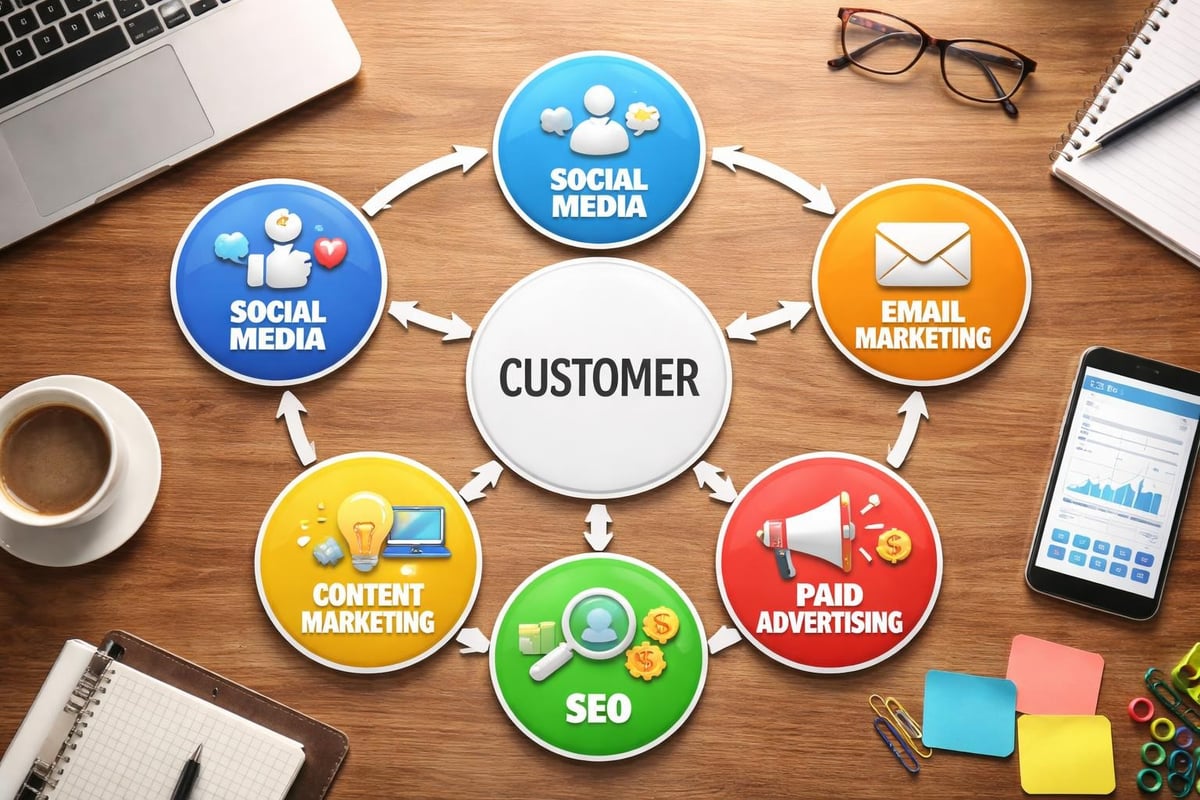
The most effective marketing strategy using social media doesn't exist in isolation. Integration with other marketing channels creates synergies that amplify overall results.
Cross-Channel Integration Strategies
Email marketing and social media: Promote email newsletter signups on social platforms while sharing social content in email campaigns. This builds multiple touchpoints and reinforces messaging across channels.
Content marketing synergy: Repurpose blog posts, podcasts, and videos across social platforms. A single piece of content marketing can generate dozens of social posts when strategically adapted.
SEO and social signals: While social media doesn't directly impact search rankings, it drives traffic, builds brand awareness, and creates content discovery opportunities that support SEO efforts. Businesses wondering "can your customers find you online" should recognize social media's role in overall online visibility.
Staying Current With Social Media Trends
Social media evolves rapidly, with new features, platforms, and user behaviors emerging constantly. A sustainable marketing strategy using social media includes mechanisms for staying current and adapting to change.
Emerging Trends for 2026
Short-form video dominance: Platforms continue prioritizing video content, particularly short-form formats under 60 seconds. Businesses must develop video creation capabilities or risk decreased organic reach.
Social commerce expansion: Direct purchasing within social platforms reduces friction in the customer journey. Integrating product catalogs and enabling in-app purchases becomes increasingly important for product-based businesses.
AI-powered personalization: Artificial intelligence enables hyper-personalized content delivery and chatbot interactions, improving customer experience while reducing manual effort.
Authentic, unpolished content: Users increasingly favor genuine, behind-the-scenes content over heavily produced material. This trend democratizes social media marketing, allowing smaller businesses to compete effectively.
Adapting to Algorithm Changes
Platform algorithms determine content visibility, and they change frequently. Stay informed through official platform blogs, industry publications, and performance data from your own accounts.
When algorithm changes occur, analyze their impact on your metrics, adjust content strategies accordingly, and maintain consistency rather than making drastic pivots based on short-term fluctuations.
Developing a Sustainable Social Media Workflow
Consistency drives social media success, but maintaining regular activity requires efficient workflows and realistic resource allocation.
Team Roles and Responsibilities
Even small businesses benefit from clearly defined social media responsibilities. Whether managed by a single person wearing multiple hats or a specialized team, establishing ownership prevents gaps and duplicated effort.
Key roles to assign:
- Content creator: Develops written, visual, and video content
- Community manager: Responds to comments, messages, and mentions
- Analyst: Tracks performance and generates insights
- Strategist: Plans campaigns and adjusts overall approach
- Designer: Creates graphics and maintains visual consistency
Workflow Optimization Tools
Social media management platforms streamline scheduling, monitoring, and reporting. Tools like Buffer, Hootsuite, or Later enable batch content creation and automated publishing, freeing time for strategic activities and real-time engagement.
| Tool Type | Function | Benefits |
|---|---|---|
| Scheduling platforms | Queue and automate posts | Consistency, time savings |
| Design tools | Create graphics and videos | Professional appearance, brand consistency |
| Analytics dashboards | Track performance metrics | Data-driven decisions, ROI measurement |
| Listening tools | Monitor mentions and keywords | Reputation management, opportunity identification |
Scaling Your Social Media Efforts
As your marketing strategy using social media matures, scaling becomes necessary to reach larger audiences and achieve bigger goals. Scaling effectively requires balancing increased output with maintained quality.
Growth Strategies
Repurposing content efficiently: Transform each piece of core content into multiple social posts. A single blog article becomes social snippets, quote graphics, video summaries, and discussion prompts.
User-generated content programs: Encourage customers to share their experiences and feature their content on your channels. This provides authentic social proof while reducing your content creation burden.
Strategic partnerships and collaborations: Partner with complementary businesses or influencers to reach new audiences. Cross-promotion expands reach without proportional budget increases.
Employee advocacy programs: Empower team members to share company content through their personal networks. This multiplies reach and adds authentic voices to your messaging.
Understanding viral marketing strategies helps identify opportunities for exponential growth, though sustainable success typically comes from consistent execution rather than viral moments.
Compliance and Best Practices
A responsible marketing strategy using social media includes awareness of legal requirements, platform policies, and ethical considerations.
Regulatory Compliance
Disclosure requirements: Clearly disclose sponsored content, affiliate relationships, and paid partnerships using hashtags like #ad or #sponsored.
Data privacy: Respect user privacy by obtaining consent for data collection, honoring opt-out requests, and complying with regulations like GDPR and CCPA.
Intellectual property: Use only properly licensed images, music, and content. Respect copyrights and trademarks to avoid legal issues and maintain credibility.
Platform Policy Adherence
Each social platform maintains community guidelines and advertising policies. Violations can result in content removal, account suspension, or permanent bans. Review policies regularly and ensure all content complies before publishing.
Measuring Long-Term Social Media ROI
Ultimately, business leaders need to understand whether their marketing strategy using social media delivers financial returns that justify the investment of time, money, and resources.
Attribution Modeling
Social media often plays an assistive role in customer journeys rather than being the final touchpoint before conversion. Multi-touch attribution models credit all interactions that contributed to a sale, providing a more accurate picture of social media's value.
Attribution approaches:
- First-touch attribution: Credits the initial interaction
- Last-touch attribution: Credits the final interaction before conversion
- Linear attribution: Distributes credit equally across all touchpoints
- Time-decay attribution: Gives more credit to recent interactions
- Position-based attribution: Emphasizes first and last touchpoints
Calculating Social Media ROI
The basic ROI formula compares returns against investment: (Revenue Generated – Cost) / Cost × 100. However, social media delivers both tangible and intangible benefits.
Tangible benefits:
- Direct sales from social media traffic
- Lead generation and customer acquisition
- Reduced customer service costs through social support
Intangible benefits:
- Brand awareness and recognition
- Customer loyalty and retention
- Market research and customer insights
For service businesses like coaching and consulting, social media often generates awareness and trust that leads to sales conversations rather than immediate transactions, requiring longer attribution windows and patience with results.
Building a powerful marketing strategy using social media requires expertise, consistency, and continuous optimization to deliver measurable business growth. The strategic integration of platform selection, compelling content creation, paid advertising, and performance analytics creates sustainable competitive advantages in today's digital marketplace. Mountain Mover Coaching and Digital Marketing specializes in developing and implementing customized social media strategies that transform businesses through expert guidance, proven tactics, and results-driven execution. Contact Mountain Mover Coaching and Digital Marketing today to discover how strategic social media marketing can accelerate your business growth and help you achieve your most ambitious goals.