
The relationship between marketing and services has evolved dramatically over the past decade, transforming from separate business functions into an integrated powerhouse that drives growth, customer acquisition, and long-term profitability. In 2026, businesses that master this integration consistently outperform competitors who treat these elements as isolated activities. Understanding how to leverage marketing strategies alongside service excellence creates a sustainable competitive advantage that resonates with modern consumers who demand both compelling messaging and exceptional experiences.
The Strategic Foundation of Marketing and Services Integration
Modern businesses must recognize that marketing and services function as two sides of the same coin. When properly aligned, these elements create a customer journey that begins with awareness and extends through delivery, satisfaction, and advocacy. This integration requires strategic planning, clear communication channels, and a deep understanding of how each touchpoint influences customer perception.
Service-based businesses face unique challenges that product-focused companies never encounter. The intangible nature of services demands different marketing approaches, requiring businesses to communicate value propositions that customers cannot physically examine before purchase. The American Marketing Association provides extensive research showing that service marketing requires distinct strategies focused on building trust, demonstrating expertise, and establishing credibility before transactions occur.
Building a Unified Marketing and Services Framework
Creating alignment between marketing promises and service delivery prevents the disconnect that damages customer relationships and brand reputation. Businesses must ensure that every marketing message accurately reflects the capabilities, quality, and outcomes that services will deliver.
Consider these essential elements:
- Brand consistency across all customer touchpoints
- Clear service differentiation that distinguishes your offerings from competitors
- Measurable quality standards that marketing can confidently promote
- Feedback loops connecting service experiences to marketing optimization
- Staff training ensuring everyone delivers on marketing promises
The U.S. Small Business Administration emphasizes that service businesses should develop marketing strategies that highlight specific outcomes, testimonials, and verifiable results rather than generic claims. This approach builds the credibility essential for converting prospects into paying customers.

Digital Marketing Channels for Service-Based Businesses
The digital landscape offers unprecedented opportunities for marketing and services integration. Businesses can now reach targeted audiences with precision, demonstrate expertise through content, and build relationships that convert into long-term client partnerships. Digital agencies specializing in service-based business marketing understand that different channels serve distinct purposes throughout the customer journey.
Search Engine Optimization for Service Visibility
SEO represents one of the most powerful tools for service businesses seeking sustainable growth. When potential customers search for solutions, appearing prominently in search results establishes immediate credibility and generates high-quality leads. Unlike paid advertising, SEO builds long-term visibility that compounds over time.
Effective SEO for marketing and services requires:
- Keyword research identifying how customers search for your services
- Content creation addressing specific customer questions and pain points
- Technical optimization ensuring search engines can properly index your site
- Local SEO strategies connecting you with nearby customers
- Authority building through backlinks from reputable industry sources
Service businesses often struggle with online visibility, missing opportunities because potential customers cannot find them during critical search moments. Investing in comprehensive SEO strategies ensures your marketing reaches audiences actively seeking the services you provide.
Social Media Management and Community Building
Social platforms have transformed how service businesses conduct marketing and services outreach. These channels allow businesses to demonstrate personality, share expertise, and build communities around their offerings. Effective social media management requires consistent posting, authentic engagement, and strategic content that educates while subtly promoting services.
| Platform | Best For | Content Type | Posting Frequency |
|---|---|---|---|
| B2B Services | Professional insights, case studies | 3-5 times weekly | |
| Local Services | Community engagement, events | Daily | |
| Visual Services | Before/after, behind-scenes | 4-7 times weekly | |
| YouTube | Educational Services | Tutorials, demonstrations | Weekly |
The key to social media success lies in providing value before asking for business. Share insights, answer questions, and establish thought leadership that naturally positions your services as solutions when needs arise.
Content Marketing Strategies That Drive Service Sales
Content marketing has become essential for businesses seeking to demonstrate expertise and build trust before customers make purchasing decisions. The best content marketing companies recognize that educational content positions service providers as authorities while addressing customer concerns throughout the buying journey.
Quality content serves multiple purposes within integrated marketing and services strategies. It improves search rankings, provides social media material, nurtures leads through email campaigns, and equips sales teams with resources that address common objections. This multipurpose nature makes content marketing exceptionally cost-effective for service businesses.
Developing Content That Converts Prospects
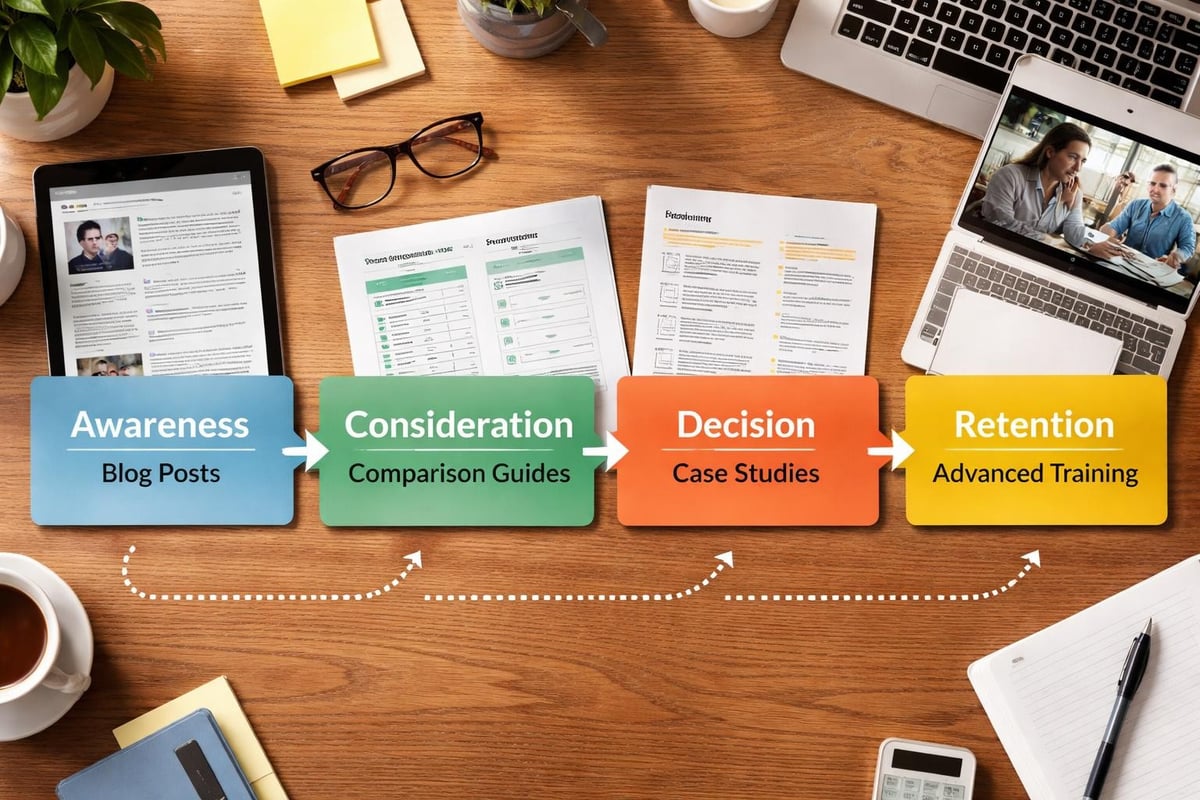
Effective content marketing requires understanding the questions customers ask at different stages of their journey. Early-stage content addresses broad problems and educates audiences about potential solutions. Middle-stage content compares approaches and highlights specific methodologies. Late-stage content provides proof points, case studies, and implementation details that facilitate decision-making.
Research from Harvard Business Review demonstrates that B2B buyers consume an average of 13 content pieces before selecting a service provider. Businesses that provide comprehensive, helpful content throughout this research process position themselves as trusted advisors rather than vendors competing solely on price.
Paid Advertising for Immediate Service Visibility
While organic marketing builds sustainable long-term visibility, paid advertising delivers immediate results that can accelerate business growth. Online advertising agencies help service businesses navigate complex platforms including Google Ads, Facebook Ads, LinkedIn Ads, and emerging channels that connect marketing and services with qualified prospects.
Strategic Advertising Investment for Service Businesses
Paid advertising requires careful budget allocation and continuous optimization to generate positive returns. Service businesses often have higher customer lifetime values than product businesses, justifying larger acquisition costs when campaigns target the right audiences with compelling messaging.
Key advertising considerations include:
- Target audience definition based on demographics, behaviors, and intent signals
- Landing page optimization that continues the message from ads to conversion
- Conversion tracking measuring which campaigns drive actual business results
- Budget allocation across channels based on performance data
- A/B testing that continuously improves messaging and creative elements
According to Nielsen insights, personalized advertising campaigns generate significantly higher engagement and conversion rates than generic approaches. Service businesses should leverage audience segmentation to deliver tailored messages addressing specific customer needs and pain points.
Website Design as a Marketing and Services Hub
Your website functions as the central hub connecting all marketing activities with service delivery. Poor website design undermines even the most sophisticated marketing campaigns, while exceptional design amplifies marketing effectiveness and facilitates conversions. Modern websites must balance aesthetic appeal with functionality, speed, and user experience optimization.
Essential Website Elements for Service Businesses
Service websites require different elements than e-commerce or content-focused sites. Visitors need clear information about offerings, transparent pricing or value indicators, proof of expertise through testimonials and case studies, and simple pathways to initiate contact or schedule consultations.
Critical website components include:
- Clear value proposition immediately visible on homepage
- Service descriptions highlighting benefits and outcomes
- Trust indicators including certifications, awards, testimonials
- Contact forms and scheduling tools reducing friction
- Mobile optimization ensuring accessibility across devices
- Fast loading speeds preventing visitor abandonment
The Journal of Business Research has published studies showing that website credibility significantly influences service purchase decisions. Professional design, error-free content, and secure browsing signals all contribute to perceived trustworthiness that converts visitors into customers.
Measurement and Optimization in Marketing and Services
Data-driven decision-making separates successful marketing and services strategies from those that waste resources on ineffective tactics. Businesses must establish clear metrics, implement tracking systems, and regularly analyze performance to identify opportunities for improvement and reallocation of marketing investments.
Key Performance Indicators for Service Marketing
Different marketing channels and tactics require specific metrics that indicate success or failure. Website traffic provides awareness indicators but means little without conversion data. Social engagement suggests audience interest but requires connection to actual business outcomes. Comprehensive measurement systems track the entire customer journey from initial awareness through service delivery and retention.
| Metric Category | Specific KPIs | Business Impact |
|---|---|---|
| Awareness | Website traffic, social reach, search rankings | Brand visibility |
| Engagement | Time on site, pages per visit, social interactions | Interest level |
| Conversion | Contact form submissions, call volume, consultations booked | Lead generation |
| Retention | Repeat business rate, referral percentage, customer lifetime value | Long-term profitability |
Resources from MarketingProfs emphasize the importance of establishing baseline metrics before implementing new marketing and services strategies. This baseline enables accurate measurement of campaign effectiveness and return on investment.

Industry-Specific Marketing and Services Approaches
Different service industries require tailored marketing approaches that address unique customer needs, decision-making processes, and competitive landscapes. Healthcare services, professional services, home services, and consulting each demand distinct strategies that align marketing messages with service delivery realities.
Healthcare providers including chiropractors, dentists, and massage therapists face regulatory constraints on marketing claims while needing to build trust with patients making important health decisions. Professional services like legal and accounting require demonstrating expertise and credentials that justify premium pricing. Home services compete heavily on local visibility and reputation management.
Local Marketing for Service Area Businesses
Many service businesses operate within specific geographic regions, making local marketing essential for efficient customer acquisition. Local SEO, Google Business Profile optimization, and community engagement create visibility among nearby prospects actively seeking services. The blog at Mountain Mover Coaching regularly features case studies demonstrating how local businesses have transformed their marketing and services visibility within specific markets.
Geographic targeting allows service businesses to:
- Appear in "near me" searches from mobile users
- Build reputation through local reviews and testimonials
- Participate in community events that generate awareness
- Create location-specific content addressing regional concerns
- Compete effectively against larger regional or national competitors
Local service businesses from different regions have achieved remarkable results through targeted digital marketing. Whether serving communities in the Midwest or elsewhere, focusing marketing resources on areas where services are delivered maximizes return on investment and builds strong community presence.
Building Marketing and Services Teams That Execute
Even the most brilliant strategies fail without skilled teams capable of consistent execution. Service businesses must decide whether to build internal marketing capabilities, partner with external agencies, or implement hybrid approaches combining both elements. Each option presents advantages and challenges depending on business size, growth stage, and available resources.
Internal Versus External Marketing Resources
Internal marketing teams provide deep business knowledge, immediate availability, and long-term investment in company success. However, they require significant overhead including salaries, benefits, training, and technology investments. Small and mid-sized service businesses often struggle to justify full-time positions for specialized roles like SEO specialists, paid advertising managers, and content creators.
External agencies and consultants deliver specialized expertise, scalable resources, and fresh perspectives without long-term employment commitments. They bring experience across multiple clients and industries, applying proven strategies to new situations. The challenge lies in finding partners who truly understand your business and maintain consistent communication.
Many successful service businesses implement hybrid approaches, maintaining internal oversight and strategy while outsourcing specialized execution to experts. This model provides control and continuity while accessing capabilities that would be cost-prohibitive to develop internally.
Technology Tools Enhancing Marketing and Services Delivery
Modern marketing requires sophisticated technology stacks that automate repetitive tasks, personalize customer communications, and provide data insights informing strategic decisions. Digital tools have become essential for businesses seeking competitive advantage through efficient marketing and services coordination.
Essential Marketing Technology Categories
The marketing technology landscape includes thousands of tools across dozens of categories. Service businesses should focus on core platforms that deliver immediate value rather than attempting to implement comprehensive systems before establishing fundamental processes.
Priority technology investments include:
- Customer relationship management (CRM) systems tracking all prospect and client interactions
- Email marketing platforms enabling automated nurture campaigns
- Analytics tools measuring website performance and user behavior
- Social media management platforms scheduling posts and monitoring engagement
- Project management software coordinating marketing activities and service delivery
Integration between marketing and services technology ensures smooth information flow from initial inquiry through service delivery and follow-up. When prospects become clients, their marketing interaction history should inform service delivery teams about expectations, preferences, and communication patterns.
Training and Development for Marketing and Services Excellence
Continuous learning keeps marketing and services teams current with evolving best practices, emerging platforms, and changing customer expectations. The digital marketing landscape shifts rapidly, requiring ongoing education to maintain effectiveness and competitive positioning.
Investment in team development demonstrates commitment to excellence while improving employee retention and job satisfaction. Training opportunities range from formal certifications and conference attendance to internal knowledge sharing and online courses covering specific skills or platforms.
Organizations should establish regular training schedules covering:
- Platform updates and new features for tools currently used
- Industry trends affecting customer behavior and preferences
- Competitive analysis understanding how competitors approach marketing
- Soft skills including communication, negotiation, and customer service
- Measurement and analytics interpreting data to inform decisions
Service businesses that prioritize education create cultures of continuous improvement where marketing and services teams collaborate effectively to drive business growth. This investment pays dividends through improved campaign performance, higher customer satisfaction, and stronger competitive positioning.
Ethical Considerations in Marketing and Services
Trust forms the foundation of successful service businesses, making ethical marketing practices essential for long-term success. While aggressive tactics might generate short-term results, they damage reputation and create customer relationships built on false expectations that inevitably disappoint.
Transparency and Honesty in Service Marketing
Marketing messages should accurately represent service capabilities, typical outcomes, and realistic timelines. Overpromising to close deals creates unhappy customers, negative reviews, and damaged reputations that undermine future marketing effectiveness. The most successful service businesses align marketing promises with delivery capabilities, ensuring customers receive what they expect.
Ethical marketing principles include:
- Truthful claims supported by evidence and verifiable results
- Clear pricing information without hidden fees or surprise charges
- Realistic timelines acknowledging potential challenges or delays
- Honest capability assessments referring prospects elsewhere when appropriate
- Privacy protection handling customer data responsibly and securely
Businesses that consistently operate with integrity build reputations that become competitive advantages. Word-of-mouth referrals, positive reviews, and repeat business flow naturally when customers trust that marketing messages accurately reflect service experiences.
Mastering the integration of marketing and services creates sustainable competitive advantages that drive business growth, customer satisfaction, and long-term profitability in 2026 and beyond. The strategies outlined above provide frameworks for businesses seeking to optimize their approach and achieve measurable results. Mountain Mover Coaching and Digital Marketing specializes in helping service businesses implement these exact strategies through expert coaching, comprehensive digital marketing services, and proven systems that accelerate profit growth. Whether you need website design, social media management, SEO optimization, or complete marketing transformation, our team delivers the expertise and hands-on support required to scale your business and achieve your growth objectives.