In 2026, local businesses are battling for attention in a crowded digital world. The surge in local search means every brand has a chance to shine or risk being overlooked. Did you know that 78% of mobile local searches now lead to offline purchases, dramatically influencing business revenue?
A robust local seo strategy is your key to driving more foot traffic, boosting your online presence, and achieving reliable growth. Ready to rise above your competitors? This guide walks you through every step to dominate local search in 2026.
You will discover a proven blueprint covering foundational setup, Google Business Profile optimization, on-page tactics, reviews, local link building, content, and analytics—all tailored to help your business thrive in the evolving landscape.
Understanding Local SEO in 2026: Trends, Challenges, and Opportunities
Local search is evolving faster than ever, shaping the way consumers find and choose businesses in their communities. In 2026, the local seo strategy you implement must account for rapid advances in search technology and shifting user behavior. Businesses that adapt to these changes will enjoy greater visibility, while others risk falling behind.

The Evolving Local Search Landscape
The local search landscape in 2026 looks dramatically different compared to just a few years ago. Artificial intelligence now drives search results, producing AI-generated summaries that personalize what users see based on intent, location, and past behavior. Conversational queries, including those made through voice assistants, continue to rise—58% of consumers use voice search to find local business information.
Google’s Local Pack and Maps remain dominant, but alternative platforms like Apple Maps and Bing Places are gaining traction. The surge in “near me” searches signals that consumers want instant, hyper-local answers. In fact, 46% of Google searches have local intent, underscoring the need for a robust local seo strategy.
AI Overviews are also making an impact, often appearing at the top of search results and summarizing key business information. This shift means your business must ensure accurate, consistent Name, Address, and Phone (NAP) data across every directory. Hyper-local content and a seamless user experience are more important than ever.
Optimized Google Business Profiles (GBPs) have become a foundation for success. Businesses with updated, complete profiles see up to 70% more location visits, and those in the top 3 local pack results typically have 85% more reviews. The challenge is staying ahead of frequent algorithm updates while maintaining strong visibility across multiple platforms.
Core Ranking Factors for Local SEO Success
A successful local seo strategy in 2026 is built on several core ranking factors. First, Google Business Profile optimization is essential. Every detail—business name, categories, hours, and services—must be accurate and complete. Consistency in local citations boosts trust and authority, while reviews remain a powerful influence. The quantity, quality, and recency of reviews all contribute to local search rankings.
On-page SEO is equally critical. Localized keywords, well-crafted title tags, and schema markup help search engines understand and showcase your business. Earning local backlinks from reputable community organizations, media, and business associations increases your authority.
Mobile-first website experiences and fast page speeds are now baseline requirements. With most local searches happening on smartphones, your site should load quickly and offer features like click-to-call and map integration.
To summarize, here is a table of core ranking factors:
| Ranking Factor | Impact Level | Example Action |
|---|---|---|
| GBP Optimization | Very High | Complete all profile fields |
| Local Citations | High | Ensure NAP consistency |
| Customer Reviews | High | Encourage and respond |
| On-Page SEO | High | Use local keywords, schema |
| Local Backlinks | Medium | Partner with local orgs |
| Mobile Experience | High | Optimize speed, navigation |
Businesses excelling in these areas see measurable growth in calls, visits, and revenue. Adopting a proactive local seo strategy will position your brand for long-term success in an ever-changing digital marketplace.
Step 1: Laying the Foundation—Business Data, Eligibility, and Goals
Building a successful local seo strategy starts with a precise, organized foundation. Before diving into optimization, your business must ensure its core data is accurate and aligned everywhere customers might find you. This first step is essential for earning trust from both search engines and potential clients. Let's break down the process to set your local seo strategy up for measurable results.

Auditing and Verifying Your Core Business Data
Accurate business data is the bedrock of any local seo strategy. Ensuring your Name, Address, and Phone Number (NAP) are 100% consistent across all listings prevents confusion and builds credibility with search engines. Use tools like Moz Local or BrightLocal to scan for inconsistencies and outdated information.
Create a master spreadsheet to track every instance of your business data, including directories, social platforms, and your website. Regular audits help you spot mismatches before they affect your rankings. For many organizations, inaccurate listings can cost up to 30% of potential customers. For a more detailed approach, explore Local SEO solutions for businesses to streamline your process with expert support.
Determining Business Eligibility and Model
Not every business is eligible for a Google Business Profile, so understanding Google's rules is crucial for your local seo strategy. Your business must have in-person contact with customers to qualify. Identify your model—are you brick and mortar, a service area business (SAB), a hybrid, or do you operate multiple locations or practitioners?
Special cases, such as co-located businesses, mobile operations, or kiosks, require additional attention to avoid compliance issues. For example, service area businesses should hide their address on Google Business Profile. Knowing your category from the start will prevent costly mistakes and help your local seo strategy stay compliant.
Defining Clear, Measurable Goals and KPIs
Every effective local seo strategy is guided by goals that are SMART—specific, measurable, achievable, relevant, and time-bound. Define what success looks like: Do you want to increase calls by 20%, boost your Google Business Profile star rating, or grow your visibility in the local pack?
Align your SEO metrics with real business outcomes such as website traffic, leads, and revenue. For instance, set a target to increase Google reviews from 50 to 150 within six months. Tracking these KPIs ensures your local seo strategy delivers tangible results and keeps your team focused on priorities.
Stakeholder Alignment and Internal Buy-In
A robust local seo strategy requires buy-in from all key stakeholders. Start by securing agreement on your business data and objectives. Cross-department collaboration among marketing, operations, and customer service teams is essential for consistency.
Franchise brands or organizations with multiple locations must coordinate efforts to maintain a unified presence. For example, get all managers on board with review requests and data updates. Strong internal alignment minimizes errors and maximizes the impact of your local seo strategy.
Organizing for Multi-Location and Franchise Businesses
Managing multiple locations adds complexity to your local seo strategy. Use Google Business Profile's bulk upload feature to efficiently handle large numbers of listings. Assign unique store codes or department identifiers for better tracking and reporting.
Customize each location's profile with individual descriptions, photos, and departments as needed. Hospitals, for example, may need separate listings for each department or practitioner. An organized approach ensures every location benefits from your local seo strategy and receives the visibility it deserves.
Step 2: Google Business Profile Optimization for 2026
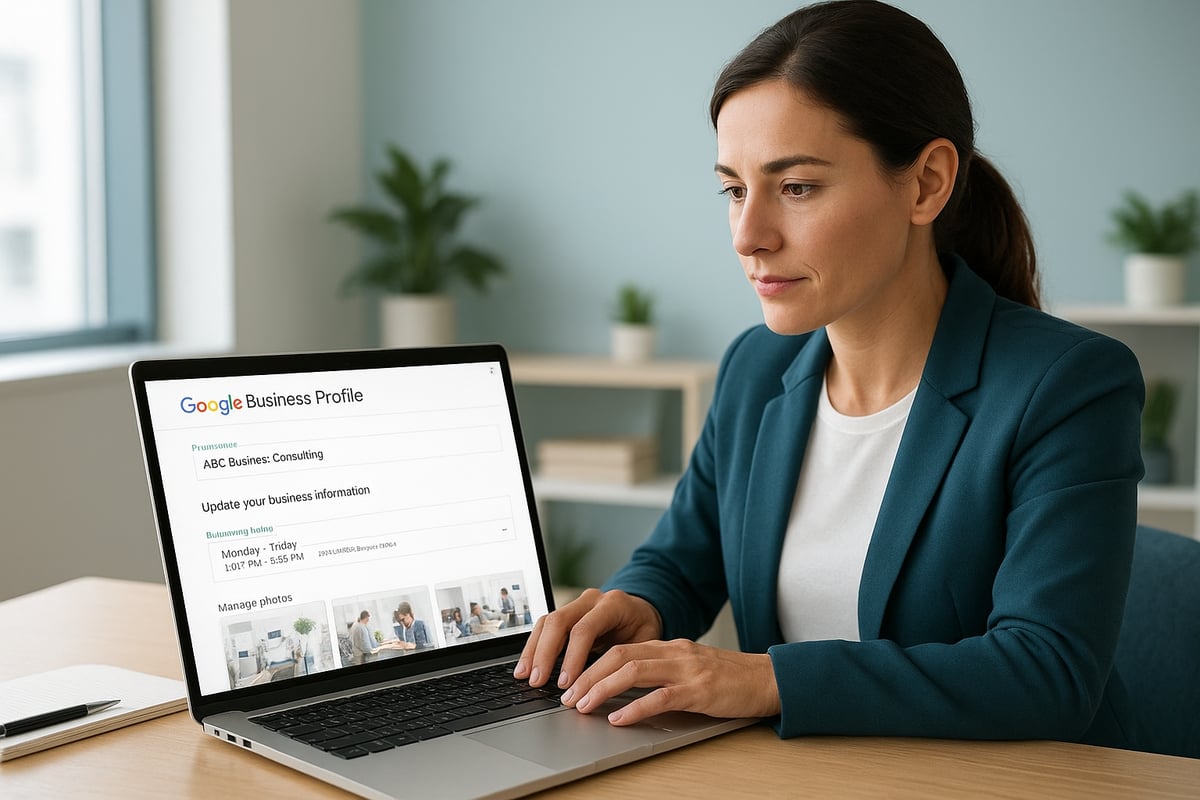
Optimizing your Google Business Profile (GBP) is a cornerstone of any successful local seo strategy. With search algorithms evolving rapidly, your GBP acts as the digital front door to your business. Proper optimization increases your chances of appearing in local packs and maps, directly impacting customer engagement and revenue.
Claiming, Verifying, and Perfecting Your GBP
Begin your local seo strategy by claiming and verifying your GBP. This ensures you control your business information and can make updates as needed. Log into Google Business Profile Manager, search for your business, and follow the verification steps using phone, email, or postcard.
Complete every profile field: business name, primary and secondary categories, address, hours, and services. Businesses with complete profiles receive up to seven times more clicks. Consistency across all details is crucial for trust and search visibility. For a deeper dive into boosting your local presence, see How to get found online locally.
Leveraging Advanced GBP Features
Elevate your local seo strategy by utilizing GBP's advanced features. Add high quality photos and videos to showcase your space, team, and products. Listings with rich media attract 42 percent more direction requests and stand out to potential customers.
Use Google Posts to share promotions, updates, or upcoming events. Engage with customers through Q and A, enable messaging, and activate appointment booking if relevant. Implementing messaging can increase customer engagement by 30 percent. These features not only enhance user experience but also signal activity and relevance to search algorithms.
Optimizing Business Descriptions and Attributes
Crafting an authentic, keyword rich business description is essential for your local seo strategy. Describe your unique offerings, location, and specialties in a way that resonates with your target audience. Use natural language and include important localized keywords.
Select relevant attributes such as wheelchair accessibility, women led, or outdoor seating. These details help your business appear in filtered searches and meet customer expectations. For example, restaurants highlighting outdoor seating after the pandemic saw increased bookings. Attributes and descriptions should be reviewed regularly to reflect any changes in your business.
Managing Multiple Locations and Departments
If your business operates several locations or departments, your local seo strategy must prioritize organization. Use GBP's location groups and bulk management tools to streamline updates. Each location should have a unique description, photos, and accurate contact details.
For franchises or hospitals, use unique store codes and track individual departments or practitioners. Google’s bulk upload feature simplifies management for businesses with ten or more locations. Customizing each profile ensures local relevance and helps every branch achieve optimal visibility in its specific market.
Monitoring and Responding to Customer Interactions
An effective local seo strategy includes active monitoring of customer reviews, Q and A, and direct messages on your GBP. Set up notifications so you can respond promptly, demonstrating attentiveness and building trust with your audience.
Timely responses boost customer satisfaction and can increase conversions by 25 percent. Address questions, thank reviewers, and resolve concerns publicly to show transparency. Regular engagement signals to Google that your business is active, further improving your local search rankings.
Step 3: On-Page SEO and Local Content Strategies
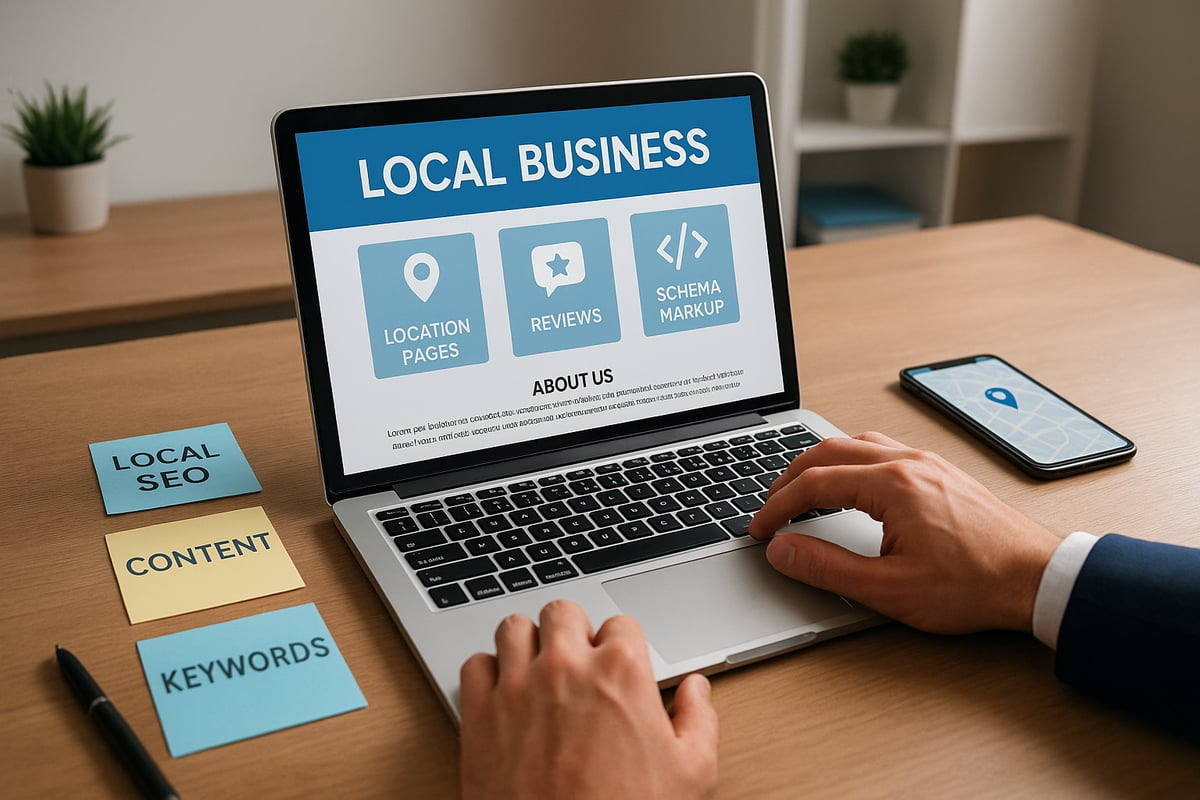
A robust local seo strategy begins with optimizing your website and crafting relevant, location-focused content. This step ensures your business is visible, trustworthy, and appealing to local customers searching online. By refining on-page elements and publishing valuable local content, you lay the groundwork for greater visibility and engagement.
Optimizing Core Website Elements for Local Search
Effective local seo strategy starts with targeted keyword research. Use tools to find high-value local terms related to your services and city or neighborhood.
Optimize title tags, meta descriptions, and headers with these geo-modifiers. For example, use phrases like “Best dentist in Springfield” in your page titles.
Ensure your Name, Address, and Phone Number (NAP) are accurate and visible on every page. Implement local business schema markup to help search engines understand your business details. This structured data increases your chances of appearing in rich results for local queries.
Creating High-Performing Location and Service Pages
Dedicated landing pages for each location or service area are essential for a successful local seo strategy. Each page should have unique content tailored to that specific area.
Include customer testimonials, local imagery, and directions to build trust. For multi-location businesses, personalize each page with relevant offers or local news.
A gym with branches in different neighborhoods might showcase member stories and photos from each location. This approach boosts engagement and signals relevance to search engines.
Implementing Local Business Schema and Structured Data
Adding schema markup to your website supports your local seo strategy by enhancing your search appearance. Local business schema communicates your business type, location, hours, and reviews to search engines.
Use plugins or tools like Google’s Structured Data Markup Helper to streamline the process. Schema can generate rich snippets, making your listings stand out in local results.
Businesses with schema often see higher click-through rates, as searchers find more useful information directly in search results.
Mobile Optimization and User Experience
A mobile-first approach is now non-negotiable for any local seo strategy. Ensure your website loads quickly on all devices and features a responsive design.
Key mobile features include click-to-call buttons, integrated maps, and easy navigation. Most local searches happen on mobile, and 76% of those searches result in a visit within 24 hours.
Prioritize clear menus, large tap targets, and minimal load times to keep local users engaged and drive real-world visits.
Leveraging Blog and Resource Content for Local Authority
Building local authority is a core objective of any winning local seo strategy. Publish blog posts about community events, local news, and neighborhood guides to connect with your audience.
Highlight partnerships, sponsorships, or local initiatives to showcase your involvement. For example, law firms can write about city-specific regulations or recent legal changes.
For more inspiration and best practices, explore the best content marketing companies to see how expert content strategies fuel local search success.
Step 4: Building Trust—Local Listings, Citations, and Reputation Management
Trust is the foundation of every effective local seo strategy. Without it, even the best-optimized website can struggle to convert online visibility into real-world results. Building trust starts with accurate business listings, strong local citations, and a proactive approach to managing your reputation.
Creating and Managing Local Business Listings
The first step in a local seo strategy is ensuring your business is listed on all major platforms. Submit your information to directories like Yelp, Bing Places, Apple Maps, and industry-specific sites.
- Double-check your business name, address, and phone number (NAP) for consistency.
- Use tools such as Moz Local or BrightLocal to speed up the process.
- Update listings promptly if your business moves or changes hours.
Consistent listings make it easier for customers to find you and signal trustworthiness to search engines. Businesses with 50 or more accurate citations are more likely to appear in the local pack, making this foundational to your local seo strategy.
Cleaning Up Duplicate and Inaccurate Listings
Duplicate or incorrect listings can hurt your local seo strategy by confusing both customers and search engines. Run a citation audit to identify and address these issues.
- Use citation audit tools to scan for errors or duplicates.
- Claim and merge duplicate profiles when possible.
- Correct outdated or misspelled information across all platforms.
Failing to clean up listings can reduce your visibility and erode trust. Make citation cleanup a regular part of your local seo strategy to maintain authority and accuracy.
Acquiring and Showcasing Customer Reviews
Reviews play a pivotal role in any local seo strategy. Not only do they influence rankings, but they also shape consumer trust and purchasing decisions. In fact, 88% of consumers read online reviews before visiting a local business, highlighting the need for proactive reputation management.
- Ask for reviews through email, SMS, or in-person after service.
- Respond to every review, positive or negative, to demonstrate engagement.
- Feature top reviews on your website and social media.
A steady stream of authentic reviews signals reliability to both potential customers and search engines, strengthening your local seo strategy.
Leveraging Third-Party and Niche Directories
Beyond general directories, your local seo strategy should target high-authority, niche platforms. These sites can boost your credibility and drive targeted traffic.
- Identify directories tailored to your industry, like Avvo for lawyers or OpenTable for restaurants.
- Join local chambers of commerce or community business sites.
- Ensure NAP consistency across every directory.
These specialized citations help establish authority and connect you with your ideal local audience, further enhancing your local seo strategy.
Managing Online Reputation Proactively
Proactive reputation management is essential for a long-term local seo strategy. Monitor your reviews and social mentions regularly, and address issues promptly.
- Set up alerts with tools like BrightLocal, Moz, or Google Alerts.
- Respond publicly to negative feedback, showing a commitment to customer satisfaction.
- Encourage happy clients to share their experiences online.
Businesses with high ratings and timely responses attract more customers and convert better, making reputation management a vital part of your local seo strategy.
Step 5: Local Link Building, Community Engagement, and Content Outreach
Expanding your local seo strategy in 2026 means looking beyond your website. Earning trust and authority in your community is just as crucial as on-page optimization. With 21% of U.S. consumers searching for nearby businesses daily, building local connections has never been more important. To outperform the competition, your approach must combine quality backlinks, genuine community engagement, and creative outreach.
Earning Authoritative Local Backlinks
A successful local seo strategy depends on earning backlinks from trusted sources in your area. Start by identifying local media outlets, well-known bloggers, and community organizations open to partnerships.
Consider sponsoring events, supporting local charities, or collaborating on projects with other businesses. Not only do these relationships generate valuable links, but they also boost your brand's reputation offline and online.
- Partner with local news for event coverage
- Co-host workshops with nearby businesses
- Sponsor youth sports teams for website mentions
Every quality local backlink strengthens your authority, making your business more visible to those searching nearby.
Creating Shareable Local Content and Resources
Content that resonates with your community is a cornerstone of any local seo strategy. Shareable resources, like city guides or lists of local attractions, encourage other websites to link back to you.
Think about what your audience values. Publish seasonal guides, interactive maps, or top 10 lists featuring local favorites. This approach not only attracts backlinks but also positions your brand as a go-to resource in your area.
- “Best coffee shops in [Your City]” blog posts
- Downloadable event calendars
- Local business directories
Providing helpful, locally focused content increases your brand’s reach and authority.
Engaging with Local Influencers and Organizations
Influencer partnerships can amplify your local seo strategy. Reach out to micro-influencers, local personalities, or community groups for authentic reviews, social media mentions, or collaborative campaigns.
Join local business associations and attend networking events. Building these relationships enhances your reputation and opens the door for organic backlinks and word-of-mouth referrals.
- Invite influencers for product launches
- Participate in citywide festivals
- Feature community leaders in your blog
Personal connections often lead to powerful, long-term partnerships.
Leveraging PR and Press Opportunities
Don’t overlook public relations in your local seo strategy. Announce business milestones, new locations, or special events with press releases distributed to local news outlets.
Getting featured in local media not only drives brand awareness but also earns high-quality backlinks. Regular press coverage signals to search engines that your business is active and relevant in the community.
- Issue press releases for grand openings
- Pitch stories to local journalists
- Highlight community involvement in the news
A proactive PR approach can set you apart from competitors.
Building Relationships with Local Schools, Nonprofits, and Chambers
Forming genuine partnerships with schools, nonprofits, and chambers of commerce can elevate your local seo strategy. Offer to sponsor school events, host educational workshops, or support fundraising initiatives.
These collaborations often lead to backlinks from highly trusted domains, while also strengthening your business’s presence in the community.
- Sponsor local scholarships
- Provide free seminars for nonprofits
- Join your chamber of commerce
Community involvement enhances both your digital footprint and real-world impact.
Monitoring Competitor Link Profiles
Analyzing your competitors’ backlinks is essential for refining your local seo strategy. Use specialized tools to identify which local sites are linking to them but not to you.
Look for gaps in your own backlink profile and strategize ways to earn those same links or uncover new opportunities.
- Use backlink analysis tools for audits
- Track competitor mentions in local media
- Identify missed industry directories
Staying proactive ensures your strategy remains competitive and effective.
Step 6: Tracking, Analytics, and Continuous Improvement
To ensure your local seo strategy delivers measurable results, you must implement robust tracking from day one. Effective analytics transform raw data into actionable insights, guiding smarter decisions and long-term growth. In a landscape where 21% of U.S. consumers search for nearby businesses daily, tracking performance is not optional, it is essential for staying competitive and responsive.
Setting Up Comprehensive Tracking and Reporting
Begin by integrating Google Analytics 4 and Search Console into your local seo strategy. These platforms provide granular insights on user behavior, conversions, and search performance. Set up Google Business Profile Insights to track calls, direction requests, and website visits. Consistently review which pages attract the most local traffic and identify key conversion paths. This data-driven approach enables you to refine your tactics and demonstrate ROI to stakeholders.
Monitoring Local Rankings and Visibility
Tracking your local seo strategy's effectiveness requires regular monitoring of map and local pack rankings. Utilize tools like BrightLocal or Moz to observe keyword positions and visibility trends. Set up alerts for significant ranking changes, which can signal algorithm updates or technical issues. Comparing your performance to competitors reveals strengths and gaps. This proactive stance helps you sustain and grow your online presence in highly competitive local markets.
Analyzing Review and Reputation Trends
A successful local seo strategy depends on a strong reputation. Monitor review growth, sentiment, and response rates across platforms. Use analytics to spot recurring themes in customer feedback, which can highlight service strengths or areas for improvement. Timely responses to both positive and negative reviews enhance trust and can boost conversion rates. Regular analysis ensures your reputation remains an asset, not a liability, for your business.
Conducting Regular Local SEO Audits
Quarterly audits are vital for any local seo strategy. Schedule reviews of your business listings, website health, and Google Business Profile accuracy. Identify and correct NAP inconsistencies, broken links, or outdated schema markup. Audits also uncover technical SEO issues that may affect rankings or user experience. By maintaining a consistent audit schedule, you safeguard your visibility and ensure your strategy evolves with industry standards.
Adapting to Algorithm Updates and Industry Changes
The digital landscape is always shifting, and your local seo strategy must adapt quickly. Stay informed about the latest Google algorithm updates, new platform features, and emerging local search trends. Participate in SEO communities and invest in ongoing training. Rapid adaptation helps you capitalize on new opportunities and minimize disruptions. Being proactive in your approach ensures your local seo strategy stays aligned with best practices.
Setting Up Actionable Reporting for Stakeholders
Transparent, actionable reporting is the backbone of an effective local seo strategy. Create clear dashboards tailored for business owners and teams, highlighting progress toward KPIs such as calls, reviews, and rankings. Incorporate practical case studies, like digital marketing for massage therapists, to illustrate real-world impact. Regular reporting keeps everyone aligned, drives accountability, and supports continuous improvement across your organization.
You’ve just explored a detailed roadmap for mastering local SEO in 2026, from optimizing your Google Business Profile to building trust and tracking results. But knowing where you stand right now is the first step to real progress. If you’re ready to see how your business measures up and identify quick wins for visibility and growth, I invite you to take advantage of a complimentary Free Visibility Snapshot. This personalized report gives you actionable insights—so you can confidently put your local SEO strategy into action and start seeing measurable results.