
The transition into digital is no longer optional for businesses seeking sustainable growth and competitive advantage. As we navigate 2026, companies that embrace digital transformation are witnessing unprecedented opportunities to connect with customers, streamline operations, and accelerate revenue. This shift represents more than adopting new technology-it's a fundamental reimagining of how businesses operate, communicate, and deliver value in an increasingly connected world.
Understanding the Business Imperative of Digital Transformation
The movement into digital channels has fundamentally altered customer expectations and market dynamics. Businesses that hesitate to embrace this shift risk falling behind competitors who leverage digital tools to enhance every aspect of their operations.
Digital transformation encompasses several critical areas:
- Customer engagement and relationship management
- Marketing automation and personalization
- E-commerce and online sales channels
- Data analytics and business intelligence
- Cloud-based collaboration and productivity
- Social media presence and community building
Research shows that companies investing in digital capabilities achieve higher customer satisfaction rates and improved operational efficiency. The digital engagement strategies employed by forward-thinking organizations demonstrate how technology can deepen relationships with target audiences while providing measurable results.
Why Traditional Approaches Fall Short
Traditional marketing and operational methods struggle to compete in today's fast-paced environment. Print advertising, cold calling, and manual processes cannot match the speed, precision, and scalability that digital solutions provide.
Customers now expect instant responses, personalized experiences, and seamless interactions across multiple channels. Businesses clinging to outdated methods find themselves unable to meet these expectations, resulting in lost opportunities and diminishing market share.

Building Your Digital Foundation
Successfully moving into digital requires strategic planning and systematic implementation. Companies must assess their current capabilities, identify gaps, and prioritize investments that deliver the greatest impact.
Essential Digital Infrastructure Components
| Component | Purpose | Business Impact |
|---|---|---|
| Professional Website | Central hub for online presence | Credibility, 24/7 accessibility |
| CRM System | Customer data management | Personalized communication, retention |
| Analytics Platform | Performance tracking | Data-driven decisions, ROI measurement |
| Social Media Channels | Audience engagement | Brand awareness, community building |
| Email Marketing Platform | Automated nurturing | Lead conversion, customer loyalty |
A well-designed website serves as the cornerstone of your digital presence. It must be mobile-responsive, fast-loading, and optimized for search engines to attract and convert visitors effectively. Mountain Mover Coaching and Digital Marketing specializes in creating websites that not only look professional but also drive measurable business results.
Content Strategy and SEO Fundamentals
Transitioning into digital marketing requires a robust content strategy that attracts, engages, and converts your target audience. Search engine optimization (SEO) ensures your content reaches people actively searching for solutions you provide.
Key content types for digital success:
- Educational blog posts that address customer pain points
- Video content demonstrating expertise and building trust
- Case studies showcasing real results and transformations
- Social media posts fostering community engagement
- Email newsletters maintaining ongoing relationships
The shift into digital content creation demands consistency and quality. Publishing valuable information regularly positions your business as an industry authority while improving search engine visibility. Companies that commit to content marketing generate significantly more qualified leads than those relying solely on paid advertising.
Leveraging Social Media for Business Growth
Social media platforms have evolved into powerful business tools that extend far beyond simple networking. The integration into digital social channels enables businesses to reach targeted audiences, build brand loyalty, and drive conversions through strategic engagement.
Different platforms serve distinct purposes and demographics. LinkedIn excels for B2B relationships and professional networking, while Facebook and Instagram offer robust advertising capabilities for reaching consumer audiences. Understanding where your ideal customers spend time online is crucial for effective platform selection.
Social Media Management Best Practices
Successful social media presence requires more than sporadic posting. It demands strategic planning, consistent execution, and continuous optimization based on performance data.
Effective social media management includes:
- Developing a content calendar aligned with business goals
- Creating platform-specific content that resonates with each audience
- Engaging authentically with followers through comments and messages
- Monitoring brand mentions and industry conversations
- Running targeted advertising campaigns to expand reach
- Analyzing metrics to refine strategy and improve results
The movement into digital social platforms represents a significant opportunity for businesses to humanize their brands and build genuine connections. Companies that excel in social media management create communities around their products and services, transforming customers into brand advocates.

Digital Advertising and Paid Media Strategy
While organic reach remains valuable, paid digital advertising accelerates growth and delivers predictable results. The transition into digital advertising platforms provides unprecedented targeting capabilities and measurable return on investment.
Comparing Major Advertising Platforms
| Platform | Best For | Key Advantage | Average ROI |
|---|---|---|---|
| Google Ads | Intent-based searches | High buyer intent | 200% average |
| Facebook/Instagram | Visual products/services | Detailed targeting | 150-180% |
| B2B services | Professional audience | 170-190% | |
| YouTube | Video content | Engagement depth | 160-175% |
Understanding which platforms align with your business objectives is essential for maximizing advertising effectiveness. Agencies specializing in digital commerce strategy help businesses navigate complex platform options and optimize campaigns for maximum performance.
The key to successful paid advertising lies in continuous testing and optimization. Businesses must experiment with different ad formats, targeting parameters, and messaging approaches while carefully tracking performance metrics to identify winning combinations.
Data Analytics and Performance Measurement
Moving into digital environments provides access to unprecedented amounts of data about customer behavior, campaign performance, and business operations. However, data alone provides no value-businesses must transform information into actionable insights.
Critical Metrics for Digital Success
- Website traffic and user behavior patterns
- Conversion rates across different channels and campaigns
- Customer acquisition cost and lifetime value
- Email open rates, click-through rates, and engagement metrics
- Social media reach, engagement, and follower growth
- Return on advertising spend for paid campaigns
Tools like Google Analytics, Facebook Business Manager, and specialized marketing automation platforms provide comprehensive tracking capabilities. The challenge lies not in gathering data but in interpreting it correctly and using insights to inform strategic decisions.
Companies that excel in digital marketing establish clear key performance indicators (KPIs) aligned with business objectives. They regularly review performance data, identify trends, and adjust strategies based on what the numbers reveal. This data-driven approach to measurable results separates successful digital transformations from those that fail to deliver.
Email Marketing and Marketing Automation
Despite the proliferation of new digital channels, email remains one of the most effective tools for nurturing leads and maintaining customer relationships. The integration into digital email marketing enables personalized communication at scale.
Email marketing delivers powerful benefits:
- Direct access to customer inboxes without algorithm interference
- Personalization capabilities based on behavior and preferences
- Automated sequences that nurture leads without manual effort
- Measurable results with clear ROI tracking
- Cost-effectiveness compared to other marketing channels
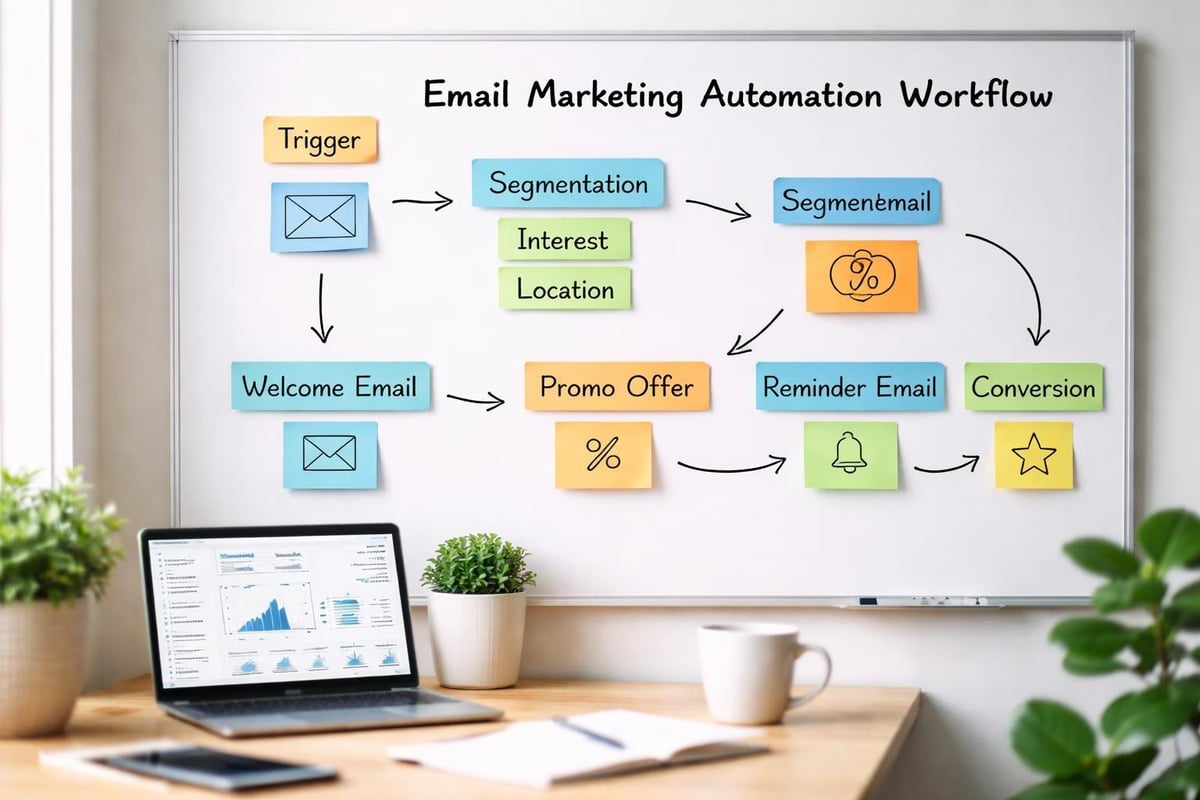
Marketing automation takes email to the next level by triggering relevant messages based on specific actions or criteria. When a prospect downloads a resource, abandons a shopping cart, or reaches a milestone, automated sequences deliver timely, relevant communication that moves them closer to conversion.
E-commerce and Online Sales Channels
For businesses selling products or services, the expansion into digital commerce channels opens entirely new revenue streams. E-commerce has evolved from a convenience option to a primary shopping method for millions of consumers.
E-commerce Platform Selection Criteria
| Factor | Shopify | WooCommerce | Custom Solution |
|---|---|---|---|
| Setup Complexity | Low | Medium | High |
| Customization | Medium | High | Maximum |
| Cost | Monthly subscription | Plugin costs | Development investment |
| Best For | Quick launch | WordPress users | Unique requirements |
Successful e-commerce extends beyond simply listing products online. It requires optimized product descriptions, high-quality images, streamlined checkout processes, and robust customer service systems. Businesses must also integrate inventory management, shipping logistics, and payment processing seamlessly.
The shift into digital sales channels demands attention to user experience at every touchpoint. Mobile optimization is particularly critical, as mobile commerce represents a growing percentage of online transactions. Companies that create frictionless purchasing experiences see significantly higher conversion rates and customer satisfaction scores.
Building Digital Communities and Engagement
The evolution into digital community building has transformed how businesses interact with customers and create brand loyalty. Modern consumers seek connection and belonging beyond transactional relationships. The launch of digital community platforms demonstrates how organizations are creating spaces where members can connect, learn, and grow together.
Effective community building strategies include:
- Creating exclusive groups on social platforms for customers
- Hosting virtual events, webinars, and training sessions
- Facilitating peer-to-peer connections and knowledge sharing
- Providing valuable resources and educational content
- Recognizing and rewarding active community members
- Soliciting feedback and incorporating member input
Communities generate multiple business benefits beyond customer retention. They provide invaluable insights into customer needs, preferences, and pain points. Active community members become brand ambassadors who organically promote your business through word-of-mouth recommendations.
Coaching and Training for Digital Competency
The journey into digital transformation requires more than implementing new tools-it demands developing new skills and mindsets across your organization. Employees accustomed to traditional methods need training and support to embrace digital workflows effectively.
Professional coaching accelerates this transition by providing personalized guidance, accountability, and strategic insights. Business leaders benefit from working with experienced coaches who have successfully navigated digital transformation themselves.
Areas where coaching delivers exceptional value:
- Strategic planning for digital initiatives and prioritization
- Leadership development for managing distributed digital teams
- Performance optimization and bottleneck identification
- Accountability systems ensuring consistent progress
- Mindset shifts necessary for embracing change and innovation
Organizations that invest in coaching and training see faster adoption rates, fewer implementation challenges, and better overall results from digital initiatives. The personalized nature of coaching addresses specific business challenges rather than offering generic advice that may not apply to unique situations.
Managing the Change Process
Transitioning into digital operations represents significant organizational change that can meet resistance if not managed carefully. Employees may feel overwhelmed by new technologies or concerned about their roles in a digital-first environment.
Change Management Framework
Successful digital transformation follows a structured approach that brings people along the journey rather than forcing sudden shifts.
Critical change management elements:
- Clear communication about why changes are necessary and beneficial
- Involving team members in planning and decision-making processes
- Providing adequate training and ongoing support resources
- Celebrating early wins to build momentum and confidence
- Addressing concerns and resistance with empathy and solutions
- Establishing feedback mechanisms for continuous improvement
Leaders must model the digital-first behaviors they want to see throughout the organization. When leadership actively uses new tools, shares data-driven insights, and demonstrates commitment to digital excellence, teams follow their example.
Measuring Return on Digital Investment
Every business investment requires justification through measurable results. The movement into digital channels must demonstrate clear return on investment to justify ongoing resource allocation and expansion.
ROI Calculation Framework
| Investment Area | Metrics to Track | Expected Timeline |
|---|---|---|
| Website Development | Traffic, leads, conversions | 3-6 months |
| SEO Optimization | Rankings, organic traffic, leads | 6-12 months |
| Paid Advertising | ROAS, CPA, conversion rate | 1-3 months |
| Social Media Management | Engagement, reach, referral traffic | 3-6 months |
| Email Marketing | Open rate, CTR, revenue per email | 1-2 months |
Setting realistic expectations about timelines is crucial for maintaining stakeholder support. Some digital initiatives deliver quick wins, while others require sustained effort before showing significant results. Customer experience and brand strategy specialists emphasize the importance of tracking both leading and lagging indicators to understand campaign performance comprehensively.
The most successful businesses view digital transformation as an ongoing journey rather than a one-time project. They continuously test new approaches, optimize existing campaigns, and adapt strategies based on performance data and market changes.
Integration and Holistic Digital Strategy
Moving into digital channels works best when various elements integrate seamlessly rather than operating in isolation. Your website, social media, email marketing, advertising, and content strategy should work together synergistically.
Integration creates powerful synergies:
- Social media content drives traffic to valuable website resources
- Email campaigns promote new blog posts and educational content
- Paid advertising amplifies high-performing organic content
- Website conversions feed into email nurturing sequences
- Customer data from all channels informs personalization efforts
This holistic approach ensures consistent messaging across touchpoints while maximizing the impact of every marketing dollar spent. Customers experience a cohesive brand presence regardless of where they encounter your business online.
Technology platforms that integrate multiple functions reduce complexity and improve efficiency. Marketing automation systems that combine email, CRM, landing pages, and analytics provide unified visibility into customer journeys and campaign performance.
The powerful transition into digital represents a fundamental shift in how businesses operate, market, and serve customers in 2026. Companies that embrace this transformation with strategic planning, proper training, and continuous optimization position themselves for sustainable growth and competitive advantage. Whether you're taking your first steps into digital channels or seeking to optimize existing efforts, Mountain Mover Coaching and Digital Marketing provides the expertise, tools, and personalized guidance needed to achieve measurable results and accelerate your business growth.