
The digital marketing landscape is evolving at record speed, creating unprecedented opportunities for those ready to start their journey in 2026. Many newcomers feel overwhelmed by constant change, new platforms, and a flood of information. The good news is, digital marketing for beginners has never been more accessible or essential for business success and personal career growth.
This guide will walk you through each step with clear explanations, practical tips, and zero jargon. You will learn the fundamentals, explore key digital channels, build a strong strategy, select the right tools, and discover actionable tips tailored for 2026. Get ready to start strong and unlock the full potential of digital marketing.
Understanding the Fundamentals of Digital Marketing
Digital marketing for beginners starts with a clear understanding of what this field encompasses and why it matters. At its core, digital marketing refers to all marketing efforts that use the internet or electronic devices to connect with current and prospective customers. Its main purpose is to help businesses reach, engage, and convert their audiences in a space where most people now spend significant time—online.
What sets digital marketing for beginners apart from traditional marketing is its cost-effectiveness and ability to reach a much broader audience. Unlike print, TV, or radio ads, digital strategies allow even small businesses to compete globally. With precise targeting and real-time analytics, digital marketing campaigns can be adjusted quickly to maximize results and minimize waste.
The digital marketing ecosystem is built around three primary media types: owned, earned, and paid. Owned media includes assets you control, such as your website and email list. Earned media refers to organic exposure gained through shares, mentions, reviews, or word-of-mouth. Paid media involves advertising, like pay-per-click ads or sponsored social posts. For digital marketing for beginners, understanding how these elements interact is critical for creating a balanced strategy.
Every digital marketing for beginners plan should start with clear objectives. The most common goals are building brand awareness, generating leads, boosting sales, and nurturing customer loyalty. These objectives align with the digital customer journey, often visualized as a funnel:
- Awareness: Potential customers discover your brand.
- Consideration: They evaluate your offerings.
- Conversion: They make a purchase or take a desired action.
- Retention: You build long-term relationships and repeat business.
The landscape for digital marketing for beginners is evolving rapidly. By 2026, over 60% of the global population will be online, and digital ad spending is projected to exceed $600 billion. For detailed insights on these trends and what they mean for your strategy, see the Digital 2026: Global Overview Report. Small businesses and entrepreneurs benefit the most, as digital marketing levels the playing field and offers measurable, scalable growth opportunities.
Success in digital marketing for beginners depends on adaptability and a commitment to continuous learning. The tools, platforms, and trends are always changing, so staying informed and flexible is essential. Embrace new challenges, experiment with emerging strategies, and always measure your results to refine your approach.

Key Digital Marketing Channels Explained
Navigating digital marketing for beginners can feel overwhelming, but understanding the main channels makes the process far more approachable. Each channel serves a unique role in building your brand, reaching your audience, and driving measurable results. Let us break down these core channels to empower your digital marketing journey.
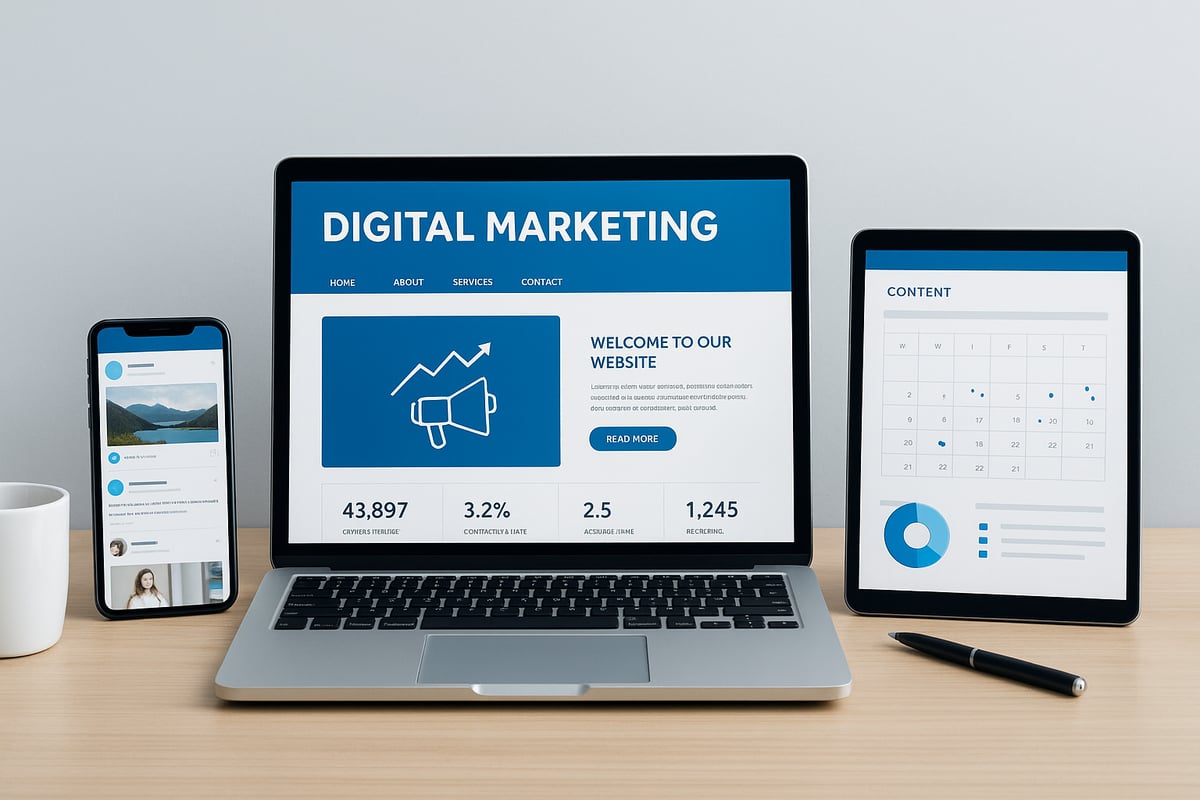
Website Marketing: Your Digital Headquarters
A website is the cornerstone of digital marketing for beginners. It acts as your business’s central hub, connecting all digital activities. When visitors land on your site, first impressions matter, so prioritize a mobile-friendly, fast, and user-focused design.
Businesses with optimized websites often see up to three times higher conversion rates than those with outdated or slow sites. Your website should clearly communicate your brand, offer an easy navigation experience, and provide valuable information to convert visitors into leads or customers.
Search Engine Optimization (SEO)
SEO is essential for digital marketing for beginners aiming to build visibility in search engine results. It involves optimizing your website’s content, structure, and links so that search engines can find and rank your pages higher.
There are three main parts: technical SEO (site speed, mobile optimization), on-page SEO (keyword research, content quality), and off-page SEO (backlinks from other sites). With 70 percent of online experiences starting with a search engine, learning the basics of SEO is a vital first step.
Pay-Per-Click (PPC) Advertising
PPC advertising is a powerful tool in digital marketing for beginners who want immediate results. With PPC, you pay only when someone clicks your ad, making it a cost-effective way to drive targeted traffic quickly.
Platforms such as Google Ads, Bing, and paid social media ads allow you to reach specific audiences based on keywords, location, or demographics. The average return on investment for Google Ads is two dollars for every dollar spent, making PPC an attractive option for businesses looking to scale fast.
Content Marketing
Content marketing is a strategic approach in digital marketing for beginners focused on creating valuable, relevant content to attract and engage your audience. This can include blogs, eBooks, infographics, podcasts, and webinars.
Content marketing generates three times as many leads as outbound marketing while costing less. By consistently sharing helpful content, you build trust, authority, and long-term relationships with your audience. If you want to explore this further, check out this content marketing agencies overview for more insights.
Social Media Marketing
Social media marketing is a must-have channel in digital marketing for beginners. Platforms like Facebook, Instagram, LinkedIn, and TikTok allow you to build brand awareness, foster communities, and interact directly with your audience.
You can use both organic strategies, such as regular posting and engagement, and paid strategies, like sponsored content or targeted ads. In fact, 54 percent of social browsers use social media to research products. For foundational strategies, see our online social media marketing essentials.
Email Marketing
Email marketing remains one of the most effective forms of digital marketing for beginners. It enables you to nurture leads and customers with personalized, value-driven messages.
Best practices include segmenting your audience, automating campaigns, and delivering content that resonates. The average return on investment is impressive, with every dollar spent generating thirty-six dollars in return. Regular emails keep your brand top-of-mind and drive repeat business.
Affiliate & Influencer Marketing
Affiliate and influencer marketing offer scalable growth opportunities in digital marketing for beginners. Affiliate marketing involves partnering with others who promote your products for a commission, while influencer marketing leverages trusted individuals to endorse your brand.
Eighty-one percent of brands now use affiliate programs, reflecting their effectiveness. Collaborating with influencers can quickly expand your reach and credibility. These partnerships are especially valuable for businesses looking to build trust and drive conversions without a large upfront investment.
Building a Strong Digital Marketing Strategy in 2026
Creating a robust digital marketing for beginners strategy in 2026 starts with a clear vision and practical steps. As the digital landscape evolves, beginners can achieve sustainable growth by following a structured approach. Let’s break down the essential components that will empower you to start strong and stay ahead.

Setting Clear Goals and KPIs
Every effective digital marketing for beginners strategy begins with setting SMART goals: Specific, Measurable, Achievable, Relevant, and Time-bound. Defining your goals provides direction and focus, whether you want to increase website traffic, generate leads, or boost sales.
Key performance indicators (KPIs) help you track progress and measure success. Common KPIs include:
- Website traffic
- Conversion rates
- Cost per acquisition (CPA)
- Return on investment (ROI)
For example, if your goal is to generate more leads, track the number of leads from each channel and analyze which performs best. With clear KPIs, digital marketing for beginners becomes less overwhelming and more results-driven.
Understanding and Targeting Your Audience
Knowing your audience is fundamental to digital marketing for beginners. Start by creating detailed buyer personas that include demographics, interests, behaviors, and needs. This insight ensures your messaging resonates and your campaigns reach the right people.
Utilize analytics and social listening tools to gather data about your audience’s preferences and online habits. Personalized marketing is powerful—studies show it can boost engagement by 74 percent. When you tailor your strategy to real audience insights, your digital marketing for beginners plan stands out and connects more effectively.
Choosing the Right Channels for Your Business
Not every channel will be right for your digital marketing for beginners journey. Evaluate where your target audience spends time and which platforms align with your business goals. Consider whether a multi-channel or omni-channel approach works best for you.
For example, local businesses often see strong results with Google My Business and Facebook, while e-commerce brands might prioritize Instagram or TikTok. The key is to focus your resources on channels that deliver the greatest impact for your business objectives.
Crafting Compelling Content and Messaging
Content is the heart of digital marketing for beginners. Use storytelling and value-driven content to attract and engage your audience. Adapt your tone, style, and format for each platform, whether you are writing blog posts, creating videos, or designing infographics.
Remember, video content is especially effective—it can increase engagement by 120 percent on social media. By consistently delivering relevant and compelling messages, your digital marketing for beginners strategy will foster trust and encourage action.
Budgeting and Resource Allocation
Effective budgeting is crucial for digital marketing for beginners. Determine how much you can allocate to paid ads, organic content, and essential tools. Divide your budget based on your goals and expected returns, ensuring you don’t overspend on channels that don’t perform.
Most successful marketers (72 percent) have a documented strategy and budget. Outline your resources clearly, considering both financial investment and available time. This approach helps digital marketing for beginners maximize impact without unnecessary risk.
Monitoring, Measuring, and Optimizing
Continuous improvement is vital in digital marketing for beginners. Use analytics tools like Google Analytics and social insights to monitor your performance in real time. Regularly review your KPIs, conduct A/B tests, and make iterative changes to improve results.
Marketers who consistently analyze their metrics are twice as likely to achieve their goals. To dive deeper into effective measurement, check out this guide on how to use analytics to optimize growth. This resource offers actionable advice for beginners eager to refine their strategy and drive long-term success.
Building a strong digital marketing for beginners strategy in 2026 means taking a proactive, data-driven approach. With clear goals, audience understanding, smart channel selection, engaging content, strategic budgeting, and ongoing optimization, you will be well-equipped to succeed in the digital era.
Essential Tools and Technologies for Beginners
Starting your journey in digital marketing for beginners means equipping yourself with the right tools. The digital landscape in 2026 is more sophisticated, yet more accessible than ever. With the right platforms and technologies, even newcomers can compete with established brands and achieve measurable results.
Building Your Digital Foundation
Every digital marketing for beginners strategy starts with a reliable website. Website builders like WordPress and Wix allow you to create mobile-friendly, fast-loading sites without coding skills. Your website acts as your digital headquarters, centralizing your brand, products, and content for visitors.
A professional-looking site increases credibility and improves user experience. Most platforms offer built-in SEO features, making it easier to get found online. Remember, the first impression often comes from your website.
Email Marketing and Automation
Email remains a cornerstone of digital marketing for beginners. Platforms like Mailchimp and ConvertKit offer user-friendly interfaces for building lists, designing campaigns, and automating follow-ups. Automation tools help schedule emails, segment audiences, and personalize messages, saving you time while boosting engagement.
According to recent digital marketing statistics, automation not only streamlines workflows but can increase marketing productivity by up to 20 percent. This efficiency is crucial for beginners with limited resources.
Graphic Design and Content Creation
Visual content is essential for capturing attention in digital marketing for beginners. Tools like Canva empower anyone to create professional graphics, social media posts, and presentations quickly. With drag-and-drop interfaces and template libraries, you can produce eye-catching visuals without hiring a designer.
Common content types include:
- Social media graphics
- Blog banners
- Infographics
- Video thumbnails
Leveraging these tools ensures your brand stays visually consistent and appealing across all channels.
SEO and Analytics Platforms
Understanding your audience and tracking performance is vital in digital marketing for beginners. Google Analytics provides detailed insights into website traffic, user behavior, and conversion rates. For SEO, platforms like Semrush and Moz help you research keywords, audit your site, and monitor rankings.
These tools guide your content strategy and highlight areas for improvement. Accurate data enables better decisions and more effective campaigns.
Harnessing AI-Powered Tools
AI is revolutionizing digital marketing for beginners. AI-driven platforms can generate content ideas, automate ad placements, and analyze large datasets for deeper insights. Chatbots handle customer queries and improve response times, while AI-powered analytics tools spot trends and recommend optimizations.
This advanced technology allows beginners to work smarter, not harder, and stay ahead in a competitive market.
Integrating Tools for Seamless Workflows
For digital marketing for beginners, integrating your tools ensures data flows smoothly between platforms. Many tools offer built-in integrations or work with third-party services like Zapier, connecting your website, email, analytics, and social media.
This integration eliminates manual tasks, reduces errors, and provides a holistic view of your marketing efforts.
Free vs. Paid Tools: A Quick Comparison
| Tool Category | Free Option | Paid Option | Key Benefits |
|---|---|---|---|
| Website Builder | Wix Free Plan | WordPress Premium | Customization, Support |
| Email Platform | Mailchimp Free | ConvertKit Pro | Automation, Advanced Segments |
| Graphic Design | Canva Free | Canva Pro | More Templates, Brand Kit |
| Analytics | Google Analytics | Semrush, Moz | Deep SEO Insights |
Starting with free tools is smart, but investing in paid versions can unlock advanced features and scalability as your needs grow.
Tips for Choosing the Right Tools
When selecting tools for digital marketing for beginners, consider:
- Your specific goals and audience
- Ease of use and learning curve
- Integration with existing platforms
- Customer support and community
- Scalability as your business grows
Always test tools with free trials before committing. Read user reviews and seek recommendations from other beginners to make informed decisions.
By choosing the right technologies and integrating them effectively, digital marketing for beginners becomes not only manageable, but also rewarding. With the right toolkit, you are set up for success as you navigate the evolving digital landscape in 2026.
Step-by-Step Roadmap: Launching Your First Digital Marketing Campaign
Embarking on your first campaign can feel like navigating uncharted waters. This step-by-step guide provides clarity for digital marketing for beginners, breaking down the process into actionable, manageable phases. By following these steps, you will build a strong foundation for success and avoid common pitfalls faced by newcomers.
Step 1: Define Your Target Audience and Goals
Every successful campaign begins with knowing exactly who you want to reach and what you aim to achieve. For digital marketing for beginners, start by outlining your ideal customer’s demographics, interests, and pain points. Consider creating simple buyer personas to visualize your target market.
Set clear, measurable goals. For example, you might want to increase newsletter signups by 20% in three months. Specific objectives make it easier to measure progress and stay focused throughout your campaign.
- Identify key customer traits
- Create 1–2 basic personas
- Set one primary and one secondary campaign goal
Understanding your audience and objectives is the bedrock of digital marketing for beginners.
Step 2: Choose the Right Channels and Platforms
Selecting the proper platforms ensures your message reaches the right people. Digital marketing for beginners often starts with the channels most frequented by their audience. If your product is visual, platforms like Instagram or Facebook are ideal. For B2B, LinkedIn may be the best fit.
Research where your audience spends time online. Consider using a mix of channels for broader reach, but avoid spreading yourself too thin.
- Research audience platform preferences
- Select 1–2 primary channels
- Consider emerging trends for 2026, as outlined in Digital Marketing Trends for 2026, to future-proof your strategy
The right channel selection is crucial in digital marketing for beginners.
Step 3: Develop Your Content and Creative Assets
Content is the voice of your campaign. For digital marketing for beginners, focus on value-driven content that addresses your audience’s needs. Plan a content calendar, listing blog posts, social media updates, emails, and ads tailored to each platform.
Leverage simple tools like Canva for visuals and Google Docs for copywriting. Keep your messaging consistent, clear, and aligned with your brand.
- Brainstorm content ideas relevant to your audience
- Use free or beginner-friendly design tools
- Schedule content for each channel
Strong content is a core driver of engagement for digital marketing for beginners.
Step 4: Launch and Promote Your Campaign
Execution is where your planning becomes reality. For digital marketing for beginners, use scheduling tools to post content at optimal times. Run targeted ads to boost visibility and leverage your email list for direct communication.
Coordinate your launch across all channels for maximum impact. Monitor early engagement to spot opportunities for quick adjustments.
- Schedule social posts and email blasts
- Launch ads with defined budgets
- Encourage team members to amplify your message
A well-promoted launch sets the stage for digital marketing for beginners to reach their goals.
Step 5: Monitor Performance and Gather Insights
Tracking results is essential for continuous improvement. Use analytics dashboards like Google Analytics and built-in social insights to monitor clicks, conversions, and engagement. Digital marketing for beginners should focus on a handful of key metrics tied to their goals.
Look for trends in what works and what could be improved. Document findings after the first week and each month.
- Review traffic, leads, and sales data
- Identify top-performing content
- Adjust efforts based on real-time feedback
Learning from data is a defining trait of successful digital marketing for beginners.
Step 6: Optimize and Scale Up
Optimization transforms good campaigns into great ones. For digital marketing for beginners, start with small tests such as A/B testing headlines or images. Refine your messaging, adjust ad budgets, and double down on what works best.
As you gain confidence, consider expanding your campaign’s reach. Study how small businesses succeed by adapting strategies, as highlighted in How digital marketing boosts small business.
- Run simple split tests
- Reallocate resources to high-performing channels
- Plan for the next campaign cycle
Optimization is the ongoing engine that powers growth in digital marketing for beginners.
As you take your first steps into the world of digital marketing, it’s important to know where you stand and how you can grow. We’ve covered the essential strategies, tools, and tips to help you build a strong foundation for 2026, but every business is unique. If you’re ready to see how your digital presence measures up and where you can make meaningful improvements, I encourage you to get your Free Visibility Snapshot. It’s an easy way to identify opportunities and take confident action toward your goals.