
The modern business landscape demands more than traditional advertising methods. Digital and social media marketing has become the cornerstone of successful business growth, offering unprecedented opportunities to connect with audiences, build brand awareness, and drive measurable results. As businesses navigate an increasingly competitive online environment, understanding how to leverage these powerful marketing channels effectively separates industry leaders from those struggling to gain traction. This comprehensive guide explores the essential strategies, tools, and best practices that transform marketing efforts into sustainable business growth.
Understanding the Digital and Social Media Marketing Ecosystem
Digital and social media marketing encompasses a broad spectrum of online tactics designed to reach, engage, and convert target audiences. Unlike traditional marketing, these approaches offer real-time analytics, precise targeting capabilities, and the ability to adjust campaigns on the fly based on performance data.
The ecosystem includes search engine optimization (SEO), content marketing, social media management, email marketing, paid advertising, and website optimization. Each component serves a specific purpose while contributing to an integrated marketing strategy. According to The Sage Handbook of Digital & Social Media Marketing, successful campaigns align these channels to create cohesive customer journeys.
The Foundation: Strategic Planning
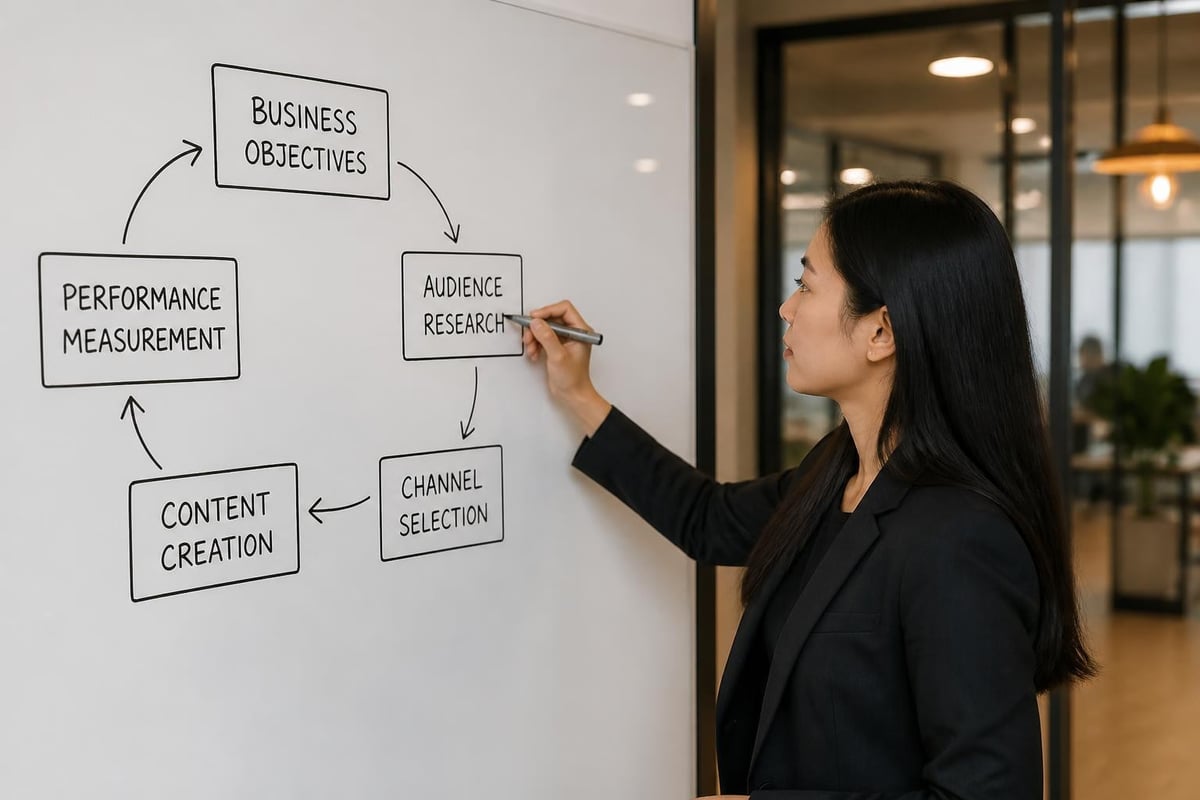
Before launching any campaign, businesses must establish clear objectives and understand their target audience. This foundation involves:
- Defining measurable goals (lead generation, brand awareness, sales conversion)
- Identifying ideal customer profiles and buyer personas
- Analyzing competitor strategies and market positioning
- Allocating budget across channels based on expected ROI
- Establishing key performance indicators (KPIs) for tracking success
Strategic planning also requires understanding the customer journey from awareness through consideration to decision-making. Mountain Mover Coaching and Digital Marketing emphasizes this holistic approach when working with clients to develop comprehensive marketing strategies that deliver measurable results.
Social Media Platforms: Choosing the Right Channels
Not all social media platforms serve the same purpose or audience. Successful digital and social media marketing requires selecting channels that align with business goals and where target customers actively engage.
| Platform | Best For | Primary Demographics | Content Types |
|---|---|---|---|
| Community building, broad reach | 25-54 age range | Video, images, long-form posts | |
| Visual branding, lifestyle content | 18-34 age range | Stories, reels, carousel posts | |
| B2B marketing, professional services | Business professionals | Articles, industry insights, thought leadership | |
| TikTok | Brand awareness, viral content | 16-34 age range | Short-form video, trends |
| Twitter/X | Real-time engagement, news | News-focused audiences | Quick updates, threads, commentary |
Facebook remains dominant for businesses targeting broad demographics, while Instagram excels for visual brands and lifestyle products. LinkedIn serves as the premier platform for B2B companies and professional services. The key lies in understanding where your audience spends time and what content formats resonate most effectively.
For businesses in digital marketing niches, platforms like LinkedIn and Twitter offer opportunities to demonstrate expertise through thought leadership content. Digital agencies often maintain presence across multiple platforms while focusing efforts on channels delivering the highest engagement and conversion rates.
Platform-Specific Strategies
Each platform requires tailored content strategies. Instagram demands high-quality visuals and authentic storytelling through Stories and Reels. LinkedIn rewards professional insights, industry analysis, and value-driven content that positions businesses as authorities. Facebook's algorithm favors engagement, making community interaction and meaningful conversations essential.
TikTok has emerged as a powerful platform for brand awareness, particularly when businesses create authentic, entertaining content rather than traditional advertising. The platform's algorithm can propel content to millions of viewers regardless of follower count, offering opportunities for rapid growth.
Content Marketing: The Engine of Digital Success
Content sits at the heart of effective digital and social media marketing. Quality content attracts audiences, builds trust, establishes authority, and drives conversions. The American Marketing Association consistently emphasizes content marketing as a critical component of modern marketing strategies.
Types of high-performing content include:
- Educational blog posts addressing customer pain points
- Video tutorials demonstrating product usage or industry expertise
- Case studies showcasing client success stories
- Infographics visualizing complex data or processes
- Podcasts exploring industry trends and expert interviews
- Webinars providing in-depth training or product demonstrations
The most successful content strategies balance educational value with promotional messaging, typically following the 80/20 rule: 80% valuable content, 20% promotional. This approach builds audience trust while maintaining commercial objectives.
Businesses exploring content marketing companies should prioritize partners who understand this balance and can create content aligned with both audience needs and business goals.
Content Distribution and Amplification
Creating quality content represents only half the equation. Distribution determines whether that content reaches its intended audience. Effective distribution strategies include:
- Publishing on owned channels (website, blog, social profiles)
- Email marketing to segmented subscriber lists
- Social media sharing with platform-specific optimization
- Paid promotion through sponsored posts and advertising
- Guest posting on industry publications
- Influencer partnerships for expanded reach
Repurposing content across formats maximizes value from each piece. A comprehensive blog post can become a video script, podcast episode, infographic series, and multiple social media posts, multiplying reach without proportional effort increases.

Paid Advertising: Accelerating Results
While organic strategies build sustainable long-term growth, paid advertising accelerates results and provides immediate visibility. Digital and social media marketing campaigns often combine organic and paid tactics for optimal performance.
Platform Advertising Options
Search Engine Marketing (SEM) through Google Ads targets users actively searching for specific products or services. This intent-driven approach typically delivers higher conversion rates than awareness-focused advertising. Businesses can bid on keywords relevant to their offerings, appearing at the top of search results when potential customers express purchase intent.
Social Media Advertising offers sophisticated targeting capabilities based on demographics, interests, behaviors, and custom audiences. Facebook and Instagram Ads enable precise audience segmentation, retargeting website visitors, and lookalike audience creation based on existing customers.
LinkedIn Ads excel for B2B marketing, targeting professionals based on job titles, industries, company sizes, and seniority levels. While typically more expensive than other platforms, LinkedIn delivers qualified leads for professional services and enterprise solutions.
For comprehensive guidance on paid strategies, resources from online advertising agencies provide insights into campaign structure, budget allocation, and performance optimization.
Advertising Budget Optimization
| Strategy | Investment Level | Expected Timeline | Best For |
|---|---|---|---|
| Organic Social | Low-Medium | 6-12 months | Building community, long-term growth |
| Paid Social | Medium-High | Immediate-3 months | Lead generation, brand awareness |
| Search Ads | Medium-High | Immediate | Capturing existing demand |
| Display Advertising | Low-Medium | 3-6 months | Brand awareness, retargeting |
| Influencer Marketing | Medium-High | 1-3 months | Credibility, audience expansion |
Budget allocation should reflect business priorities, competitive landscape, and customer acquisition costs. Testing small budgets across channels before scaling helps identify the most efficient customer acquisition paths.
Analytics and Performance Measurement
Digital and social media marketing's greatest advantage lies in measurability. Unlike traditional advertising, digital campaigns provide detailed performance data enabling continuous optimization. According to insights from MarTech, data-driven decision-making separates high-performing campaigns from ineffective ones.
Essential metrics to track include:
- Reach and Impressions: How many people see your content
- Engagement Rate: Likes, comments, shares, and interactions
- Click-Through Rate (CTR): Percentage of viewers clicking links
- Conversion Rate: Visitors completing desired actions
- Cost Per Acquisition (CPA): Investment required to gain customers
- Return on Ad Spend (ROAS): Revenue generated per advertising dollar
- Customer Lifetime Value (CLV): Total value of customer relationships
Advanced analytics platforms like Google Analytics, Facebook Business Manager, and specialized tools provide granular insights into audience behavior, content performance, and conversion paths. This data informs strategic adjustments, budget reallocation, and creative optimization.
A/B Testing for Continuous Improvement
Systematic testing drives performance improvements over time. Effective digital and social media marketing strategies incorporate regular testing of:
- Ad creative (images, videos, copy variations)
- Audience segments and targeting parameters
- Landing page designs and messaging
- Call-to-action placements and wording
- Publishing times and content formats
Even small improvements compound over time. A 10% increase in conversion rate can significantly impact revenue without requiring additional traffic or advertising spend.
Search Engine Optimization: The Long-Term Foundation
SEO remains fundamental to digital and social media marketing success, driving organic traffic that compounds over time. While social media provides immediate engagement opportunities, search engines deliver sustained visibility for years after content publication.
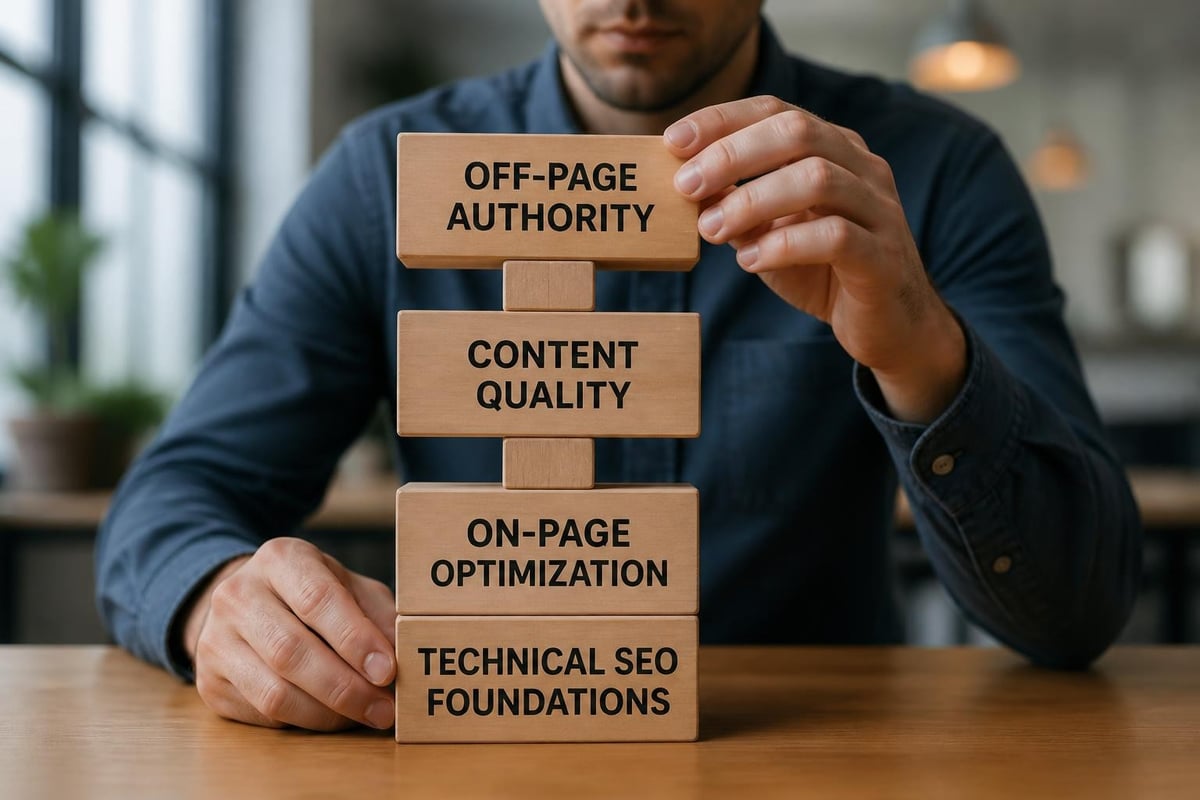
Core SEO elements include:
- Technical SEO: Site speed, mobile responsiveness, structured data
- On-Page SEO: Keyword optimization, content quality, internal linking
- Off-Page SEO: Backlink acquisition, brand mentions, social signals
- Local SEO: Google Business Profile optimization, local citations
Businesses serving specific geographic areas benefit enormously from local SEO strategies. The combination of digital marketing expertise and local optimization helps businesses dominate their markets. Examples like digital marketing services for chiropractors in Lebanon demonstrate how targeted local strategies drive tangible business results.
Content and SEO Integration
The most effective SEO strategies center on creating valuable content that serves user intent. Search engines increasingly prioritize content quality, relevance, and user satisfaction over technical manipulation. This shift aligns SEO with content marketing, creating synergies where quality content naturally attracts links, social shares, and search visibility.
Keyword research identifies topics your audience actively searches for, informing content creation that addresses real questions and needs. Tools like Google Search Console reveal which queries drive traffic, enabling optimization for high-potential keywords.
Email Marketing: The Highest ROI Channel
Despite social media's prominence, email marketing consistently delivers the highest return on investment among digital channels. Building and nurturing email lists creates owned audiences independent of platform algorithms or policy changes.
Effective email strategies segment subscribers based on interests, behaviors, and purchase history, delivering personalized messages that resonate with specific audience segments. Automation enables sophisticated campaigns triggered by user actions:
- Welcome series for new subscribers
- Abandoned cart recovery for e-commerce
- Re-engagement campaigns for inactive subscribers
- Post-purchase follow-ups and product recommendations
- Birthday or anniversary messages
The key to successful email marketing lies in providing consistent value rather than constant promotion. Educational content, exclusive insights, and genuine relationship-building generate long-term subscriber engagement and loyalty.
Emerging Trends Shaping Digital and Social Media Marketing
The marketing landscape evolves rapidly, with emerging technologies and changing consumer behaviors creating new opportunities and challenges. Staying current with trends ensures competitive advantage and relevance.
Artificial Intelligence transforms content creation, customer service, and campaign optimization. AI tools help marketers analyze vast data sets, personalize content at scale, and automate repetitive tasks. Platforms like Storyloft demonstrate AI's potential in content creation, while chatbots handle customer inquiries 24/7.
Video Content continues dominating engagement metrics across platforms. Short-form video through TikTok, Instagram Reels, and YouTube Shorts captures attention in increasingly crowded feeds. Live streaming creates authentic connections through real-time interaction.
Social Commerce integrates shopping directly into social platforms, reducing friction between discovery and purchase. Instagram Shopping, Facebook Shops, and TikTok Shopping transform social media from awareness channels into complete sales funnels.
Privacy-First Marketing adapts to increasing data privacy regulations and third-party cookie deprecation. First-party data collection through owned channels becomes essential, while contextual targeting replaces behavior-based advertising.
For businesses seeking guidance navigating these trends, resources from Sprout Social provide up-to-date insights and practical implementation strategies.
Building Sustainable Business Growth
Effective digital and social media marketing requires patience, consistency, and strategic thinking. Quick wins through paid advertising provide immediate results, but sustainable growth stems from integrated strategies combining multiple channels and tactics.
The most successful businesses view marketing as ongoing investment rather than sporadic campaigns. Consistent content publication, regular social engagement, continuous optimization, and audience relationship nurturing create compounding returns over time.
Integration across channels amplifies results. Blog content drives organic search traffic, social media extends content reach, email marketing nurtures relationships, and paid advertising accelerates growth. Each channel supports others, creating synergies greater than individual tactics.
Businesses serious about growth often partner with specialists who understand these integrations. Whether working with digital marketing coaching services or full-service agencies, the right partnership provides expertise, accountability, and execution capabilities that internal teams may lack.
The Role of Accountability and Execution
Strategy means nothing without execution. Many businesses develop comprehensive marketing plans that never get implemented due to resource constraints, lack of expertise, or competing priorities. This execution gap separates successful businesses from those perpetually struggling to gain traction.
Working with firms like Accountability Now, a business coaching firm that emphasizes execution over theory, helps ensure marketing strategies translate into consistent action and measurable results. Their approach focuses on practical implementation rather than abstract concepts.
Measuring Marketing Maturity and Growth Potential
Understanding where your business stands in its marketing maturity helps identify priorities and investment areas. Organizations typically progress through distinct stages:
Stage 1: Reactive Marketing – Sporadic campaigns, no clear strategy, minimal measurement
Stage 2: Tactical Marketing – Organized campaigns, basic analytics, channel-specific efforts
Stage 3: Strategic Marketing – Integrated campaigns, clear objectives, data-driven decisions
Stage 4: Optimized Marketing – Advanced automation, sophisticated targeting, continuous testing
Stage 5: Innovative Marketing – Market leadership, cutting-edge tactics, proprietary approaches
Most small businesses operate between stages one and two, leaving significant growth potential untapped. Advancing to strategic marketing requires commitment to consistent execution, investment in proper tools and expertise, and leadership buy-in for marketing as a growth driver rather than expense center.
Assessment tools like a marketing snapshot report help businesses understand current performance and identify specific improvement opportunities.
Overcoming Common Digital Marketing Challenges
Every business faces obstacles implementing effective digital and social media marketing strategies. Recognizing common challenges enables proactive solutions.
Limited Resources: Small businesses often lack dedicated marketing staff or budget for comprehensive campaigns. Solutions include focusing on high-impact channels, leveraging automation tools, and outsourcing specialized tasks to experts while maintaining strategic control.
Rapid Platform Changes: Social media algorithms, advertising platforms, and SEO best practices evolve constantly. Continuous learning through industry publications like the Journal of Digital & Social Media Marketing helps marketers stay current.
Measuring ROI: Connecting marketing activities to revenue requires proper tracking infrastructure and attribution modeling. Implementing conversion tracking, CRM integration, and clear customer journey mapping clarifies marketing's financial impact.
Content Creation Capacity: Producing consistent, quality content challenges resource-constrained teams. Content repurposing, user-generated content, and strategic content calendars maximize efficiency without sacrificing quality.
Standing Out in Crowded Markets: As competition intensifies across digital channels, differentiation becomes crucial. Authentic brand voice, unique perspectives, and genuine value delivery help businesses cut through noise. For those building personal brands or thought leadership, platforms like DoReset offer frameworks for personal development that translates into more authentic business messaging.
International Perspectives and Freelance Resources
Digital and social media marketing operates globally, with strategies varying across markets and cultures. Businesses expanding internationally must adapt messaging, platform selection, and content approaches for different regions.
For companies seeking specialized technical talent, platforms like FreelanceDEV connect businesses with freelance developers who can build custom marketing technology solutions, from website development to marketing automation integration. This flexibility enables businesses to access expertise without permanent hiring commitments.
Global perspective combined with local execution creates competitive advantages in increasingly interconnected markets. Understanding cultural nuances, regional platform preferences, and local search behaviors ensures marketing resonates with target audiences regardless of geography.
Digital and social media marketing represents both opportunity and necessity for modern businesses seeking sustainable growth in competitive markets. The strategies outlined here provide a roadmap for developing integrated marketing approaches that deliver measurable results through consistent execution and continuous optimization. If you're ready to transform your marketing from reactive tactics into strategic growth drivers, Mountain Mover Coaching and Digital Marketing specializes in helping businesses implement these strategies with expert coaching, proven systems, and accountability structures that ensure consistent execution and real business results.