
In today’s fast-changing marketplace, standing out is more challenging than ever. As we approach 2026, business leaders face a landscape where traditional branding strategies alone can no longer guarantee success.
Customers are demanding more personalized, meaningful interactions from brands. New technologies and shifting expectations are transforming how companies connect with their audiences.
Forward-thinking organizations are already reimagining their approach, using innovative branding strategies to drive growth and foster deep customer loyalty. The right strategy can help you outpace competitors and build lasting trust.
In this article, discover seven powerful, future-focused branding strategies designed to help ambitious businesses and marketers thrive in 2026. Each approach includes actionable insights you can implement for real impact.
The Evolution of Branding in 2026
Navigating the future of branding strategies requires understanding the dramatic shifts shaping today’s business landscape. Brands in 2026 must respond to evolving consumer expectations, rapid technological advancements, and a growing call for social responsibility. Let’s explore how these forces are redefining branding strategies for long-term success.
The Shifting Consumer Landscape
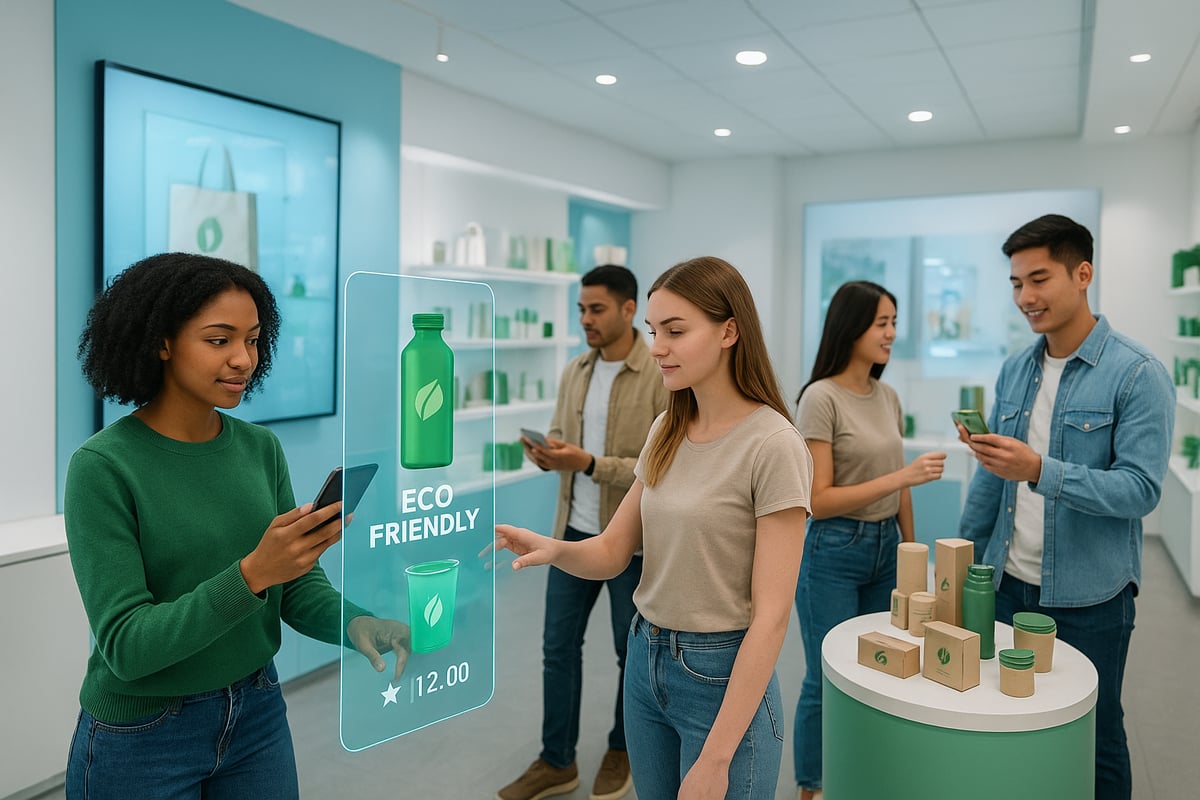
Consumers in 2026 are more digitally connected and discerning than ever. With digital saturation at an all-time high, brands must cut through the noise using advanced branding strategies. Hyper-personalization is now a baseline expectation, as customers demand experiences tailored to their unique preferences.
Trust has become a critical currency. According to the 2025 Edelman Trust Barometer, 88% of consumers value brand trust as much as price and quality. This shift means brands must prove reliability, transparency, and authenticity to win loyalty.
Gen Z and Millennials are driving change. They expect brands to demonstrate social responsibility, support inclusivity, and take a stand on issues that matter. Omnichannel experiences have also become essential, ensuring customers interact seamlessly across digital, social, and physical touchpoints.
Technology’s Role in Modern Branding
Technology is powering a revolution in branding strategies. Artificial intelligence and automation help brands deliver real-time, personalized interactions that resonate with individual consumers. Augmented and virtual reality are transforming how brands engage, creating immersive experiences that leave lasting impressions.
Leading brands are leveraging these tools to stand out. Apple’s accessibility campaigns and Burberry’s virtual showrooms exemplify how technology can deepen emotional connections. The influence of social media continues to grow, with 81% of consumers making purchases influenced by what they see online.
To stay competitive, businesses must integrate technology thoughtfully into their branding strategies, ensuring every innovation enhances the customer journey.
The Importance of Purpose-Driven Branding
Purpose-driven branding is now a powerful differentiator. Consumers look for brands that align with their values, making sustainability, inclusivity, and transparency non-negotiable elements of effective branding strategies.
Brand activism is gaining momentum. Companies like Fortnum & Mason have focused on sustainability, while others champion ethical sourcing and transparent supply chains. These efforts do more than boost reputation; they foster deep, enduring loyalty among value-driven consumers.
Success in 2026 depends on authenticity. Brands must back their purpose with consistent action, ensuring their branding strategies not only attract attention but also build trust and long-term advocacy.
7 Innovative Branding Strategies to Elevate Your Business in 2026
In today’s competitive landscape, businesses cannot rely solely on outdated branding strategies. The following seven innovative approaches are transforming how brands connect, engage, and thrive in 2026. Each strategy is designed to help you harness new technologies, meet shifting consumer expectations, and future-proof your brand for lasting success.
1. Experiential Branding: Creating Immersive Customer Journeys
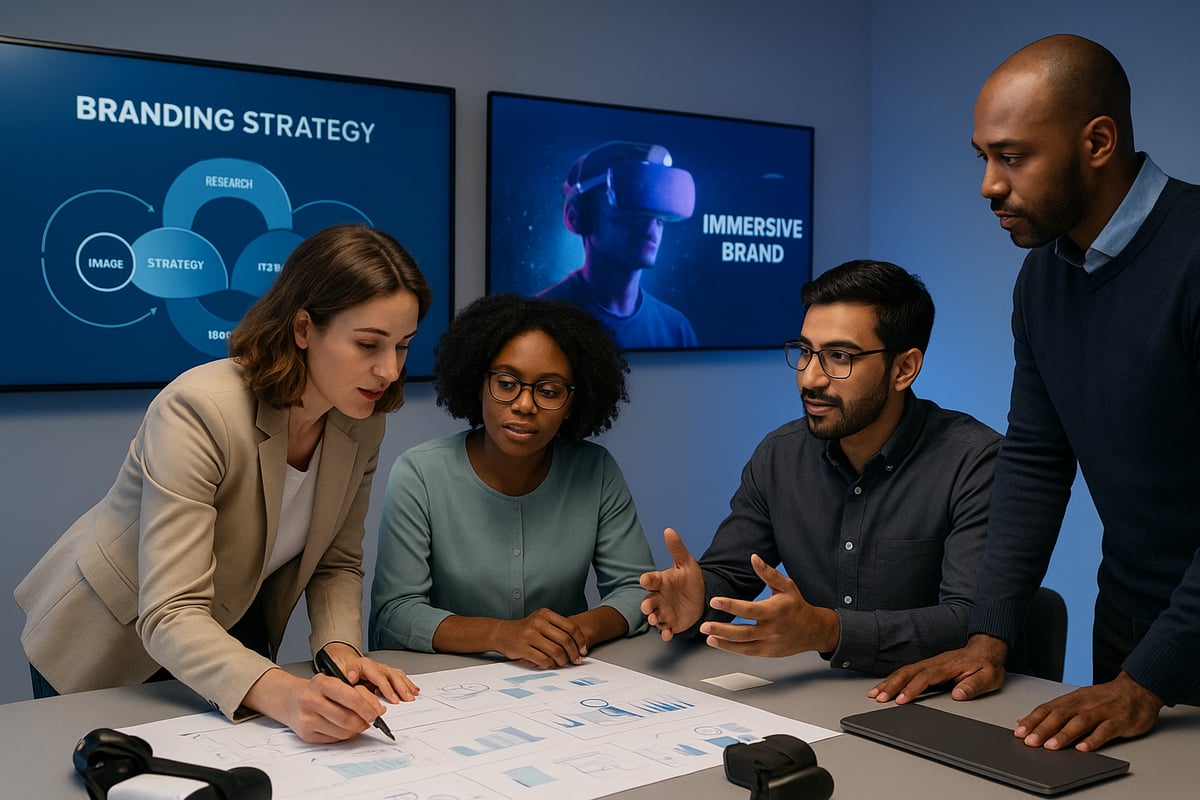
Experiential branding is about crafting memorable, multisensory interactions that immerse customers in your brand’s world. In 2026, this approach is pivotal for brands seeking emotional resonance and organic reach.
Brands are leveraging pop-up events, AR-powered product demos, and interactive in-store experiences to engage audiences. For example, Jellycat’s viral pop-ups in London and Paris attracted thousands, blending tactile displays with playful digital elements. These experiences encourage user-generated content, amplifying brand visibility far beyond the event space.
The benefits of experiential branding strategies are substantial:
- Deepens emotional connection with customers
- Generates authentic word-of-mouth marketing
- Drives social media sharing for greater reach
Consider this insight: experiences are shared more often than products, making them a crucial component of modern branding strategies. In fact, 70 percent of consumers are more likely to recommend a brand after a memorable experience, underscoring the tangible impact on loyalty and advocacy.
However, these branding strategies require investment and creative agility. Success depends on adapting to audience preferences and continuously innovating experiences. The right mix of physical and digital elements can set your brand apart in a saturated market.
2. Personalization at Scale: Leveraging Data and AI
The era of mass messaging is fading, replaced by hyper-personalized branding strategies powered by data and artificial intelligence. In 2026, brands use real-time customization to deliver relevant content and offers across multiple channels.
AI and machine learning analyze user behavior, preferences, and purchase history to tailor every interaction. Netflix and Spotify excel by recommending content that feels curated for each user, setting the standard for personalization. These branding strategies drive higher engagement, conversion rates, and customer satisfaction.
Personalized emails, for example, deliver six times higher transaction rates compared to generic messaging. Brands that use first-party data responsibly build trust while enhancing relevance. This approach not only meets customer expectations but also addresses privacy concerns by being transparent and ethical.
To implement personalization at scale, brands should:
- Invest in robust data analytics platforms
- Segment audiences for targeted messaging
- Use automation to deliver consistent, timely experiences
Digital tools play a vital role in enabling these branding strategies. For more on how technology empowers modern branding, explore digital tools for branding success.
3. Purpose-Driven Branding: Aligning with Social and Environmental Values
Purpose-driven branding strategies tap into the growing demand for authenticity, ethics, and social responsibility. Today’s consumers—especially Gen Z and Millennials—expect brands to champion causes and operate transparently.
Brands are launching advocacy campaigns, ensuring ethical sourcing, and making their supply chains transparent. Patagonia’s environmental activism and Burberry’s sustainability initiatives are prime examples of branding strategies that prioritize purpose. These efforts build deep loyalty, attract value-driven customers, and enhance reputations.
According to the Edelman Trust Barometer, 64 percent of consumers choose brands based on shared values. Purpose-driven branding strategies differentiate businesses in crowded markets by:
- Demonstrating genuine commitment to social and environmental issues
- Fostering trust and long-term relationships
- Inspiring employees and stakeholders
However, these branding strategies demand authenticity and ongoing dedication. Consumers can spot performative efforts, so brands must align actions with messaging and maintain transparency.
4. Influencer and Employee Advocacy: Humanizing Your Brand
Humanizing your brand is essential in 2026, as consumers crave authentic voices over polished corporate messaging. Influencer and employee advocacy branding strategies put real people at the forefront, building trust and credibility.
Micro-influencers and internal brand ambassadors share genuine stories, experiences, and behind-the-scenes moments. John Lewis’s employee-ownership model and Octopus Energy’s culture-driven advocacy show how empowering staff can drive engagement. Content shared by employees receives eight times more engagement than branded posts, highlighting the power of authentic advocacy.
Key benefits of these branding strategies include:
- Increased trust and reach through personal networks
- Enhanced brand reputation via authentic storytelling
- Stronger community and sense of belonging
To succeed, brands must identify and nurture advocates who genuinely align with their values. Training, recognition, and open communication help foster a culture where advocacy thrives, ensuring sustainable impact.
5. Omnichannel Consistency: Unifying Digital and Physical Touchpoints
Omnichannel consistency is no longer optional. Customers expect seamless experiences across every brand interaction, whether online or offline. Branding strategies in 2026 focus on integrating digital and physical touchpoints for a unified presence.
This involves unified messaging, a consistent visual identity, and integrated customer support. IKEA exemplifies this by aligning in-store experiences with digital campaigns, ensuring customers receive the same level of service and recognition everywhere.
Benefits of omnichannel branding strategies include:
- Increased brand recall and loyalty
- Reduced customer friction across channels
- Higher retention rates
According to recent reports, brands with strong omnichannel strategies retain 89 percent of their customers. However, executing these branding strategies can be complex, requiring cross-team collaboration and advanced tools to manage consistency.
A quick comparison of omnichannel versus single-channel approaches:
| Approach | Customer Retention | Experience Quality | Brand Recall |
|---|---|---|---|
| Omnichannel | 89% | High | Strong |
| Single-channel | 33% | Moderate | Limited |
6. Agile Branding: Adapting to Trends and Cultural Shifts
Agile branding is crucial for staying relevant in 2026’s fast-paced environment. These branding strategies emphasize flexibility, rapid response, and continuous adaptation to market dynamics.
Brands practice real-time marketing, respond swiftly to cultural trends, and maintain flexible brand guidelines. Ryanair and Currys have made headlines with witty, timely social media interactions, showing the value of quick thinking and adaptability.
Key advantages of agile branding strategies:
- Keeps brands relevant and top-of-mind
- Increases shareability and engagement
- Attracts younger, trend-sensitive audiences
Data shows that 60 percent of brands adapting quickly to trends achieve higher engagement. Building an agile branding team involves fostering a culture of experimentation, encouraging learning from feedback, and empowering teams to make decisions promptly.
Tips for agile branding strategies:
- Monitor social trends continuously
- Empower teams to make real-time decisions
- Review and revise brand guidelines regularly
7. Storytelling with Technology: Using AR, VR, and Interactive Content
The fusion of storytelling with technology is redefining branding strategies in 2026. Brands harness AR, VR, and interactive content to create captivating narratives that resonate deeply with audiences.
AR-enabled packaging, VR brand experiences, and interactive video campaigns are becoming standard practice. Burberry’s AR fashion shows and Heinz’s logo-free campaigns demonstrate how technology can bring stories to life and differentiate brands.
These branding strategies offer:
- Enhanced attention and engagement
- Distinctive brand positioning in crowded markets
- Deeper emotional connections with consumers
Interactive content generates twice the engagement of static media, and 54 percent of consumers want to interact with brands via AR or VR. However, implementing these branding strategies requires investment in technical capabilities and creative innovation.
By integrating storytelling with technology, brands can deliver memorable experiences that inspire loyalty and advocacy.
Measuring the Impact of Innovative Branding Strategies
Understanding how to measure the effectiveness of your branding strategies is essential in 2026’s competitive landscape. With evolving consumer expectations and new technologies, brands must use precise metrics and tools to evaluate success and guide improvement.
Key Metrics for Brand Success
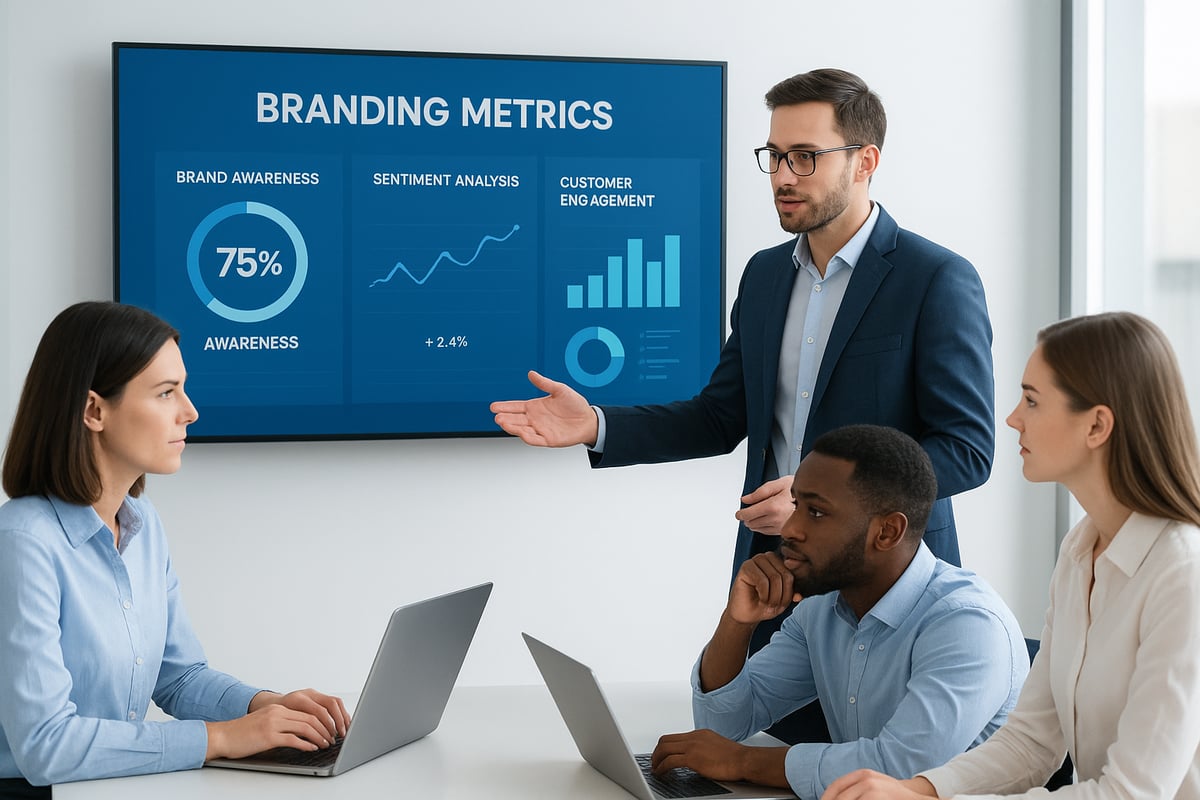
Tracking the right metrics is the foundation for assessing branding strategies. Today, brands go beyond simple recognition, focusing on deeper indicators such as brand equity, awareness, and sentiment analysis. These metrics reveal how consumers perceive your brand and whether your messaging resonates.
Brand trust is now just as crucial as price and quality. According to the 2025 Edelman Trust Barometer Special Report: Brand Trust, From We to Me, 88% of consumers consider trust as vital as other purchase factors. Monitoring customer loyalty and retention rates helps determine if your branding strategies foster lasting relationships.
Engagement metrics, both online and offline, provide immediate feedback on brand campaigns. Additionally, calculating the ROI of experiential and technology-driven initiatives highlights which branding strategies deliver the greatest value.
| Metric | Description | Benefit |
|---|---|---|
| Brand Equity | Overall value of the brand | Guides strategic investment |
| Awareness | Consumer recognition | Tracks campaign reach |
| Sentiment Analysis | Public perception of the brand | Identifies reputation trends |
| Loyalty & Retention | Repeat customer rates | Measures long-term success |
| Engagement | Interactions across channels | Reveals campaign effectiveness |
| ROI | Return on branding investments | Optimizes budget allocation |
Tools and Techniques for Tracking Performance
To accurately assess branding strategies, businesses leverage advanced analytics platforms, social listening tools, and structured customer feedback loops. These tools help capture a complete view of brand performance across all touchpoints.
Brands like Nike use real-time data to refine campaigns, responding quickly to consumer sentiment and market changes. Social listening platforms track mentions and conversations, while analytics dashboards visualize key metrics for easy interpretation.
Continuous improvement relies on data-driven decision-making. Reviewing insights from top performers, such as those highlighted by best content marketing companies insights, can inspire new approaches and validate results. By implementing regular performance reviews and adapting based on feedback, your branding strategies remain agile and effective.
Action Steps for Implementing Next-Gen Branding in Your Business
To successfully implement next-gen branding strategies, start by conducting a detailed assessment of your current brand positioning. Identify gaps between your brand’s perception and your desired market position.
Next, invest in talent and technology that support innovative branding strategies. Empower your team with tools and training to stay ahead in a competitive landscape.
Foster a culture that embraces experimentation and agility. Encourage teams to test new ideas, learn from feedback, and adapt quickly to market changes.
Partnering with experts or agencies can accelerate your progress. For specialized support, consider exploring digital marketing strategies for agencies to leverage external expertise aligned with your business objectives.
Set clear KPIs for each initiative and review progress regularly. This ensures that your branding strategies remain goal-oriented and measurable.
Encourage cross-functional collaboration to unify messaging and execution across all touchpoints. This approach not only maximizes impact but also drives consistency in your brand’s voice.
Finally, stay informed on emerging trends and evolving consumer behaviors. Continuous learning is key to keeping your branding strategies relevant and effective.

As you reflect on these cutting-edge branding strategies, it’s clear that standing out in 2026 takes more than just a good logo or clever slogan. Real growth comes from understanding where your brand stands today and where it could go tomorrow. If you’re ready to take the next step, why not start with a clear picture of your current visibility? I recommend grabbing your Free Visibility Snapshot—it’s a practical way to see where your opportunities lie and get actionable insights tailored to your business goals.