
Your spine serves as the central pillar of your body's structural integrity and nervous system function. Every movement you make, every breath you take, and every signal your brain sends to your body relies on a healthy, well-aligned spine. Understanding how to properly support spine health has become increasingly critical in our modern world, where prolonged sitting, poor posture, and sedentary habits threaten spinal wellness. Whether you're experiencing discomfort or seeking preventive care, learning the fundamentals of spinal support can transform your quality of life and help you maintain optimal function for years to come.
Understanding the Anatomy Behind Spinal Support
The human spine consists of 33 vertebrae divided into five distinct regions: cervical, thoracic, lumbar, sacral, and coccygeal. Each region serves specific functions and requires targeted attention to maintain proper alignment and health.
Your cervical spine, comprising seven vertebrae in your neck, supports your head's weight while allowing extensive range of motion. The thoracic spine examination techniques reveal how complex these structures are and why professional assessment matters. Meanwhile, your lumbar region bears most of your body's weight and experiences the greatest stress during daily activities.
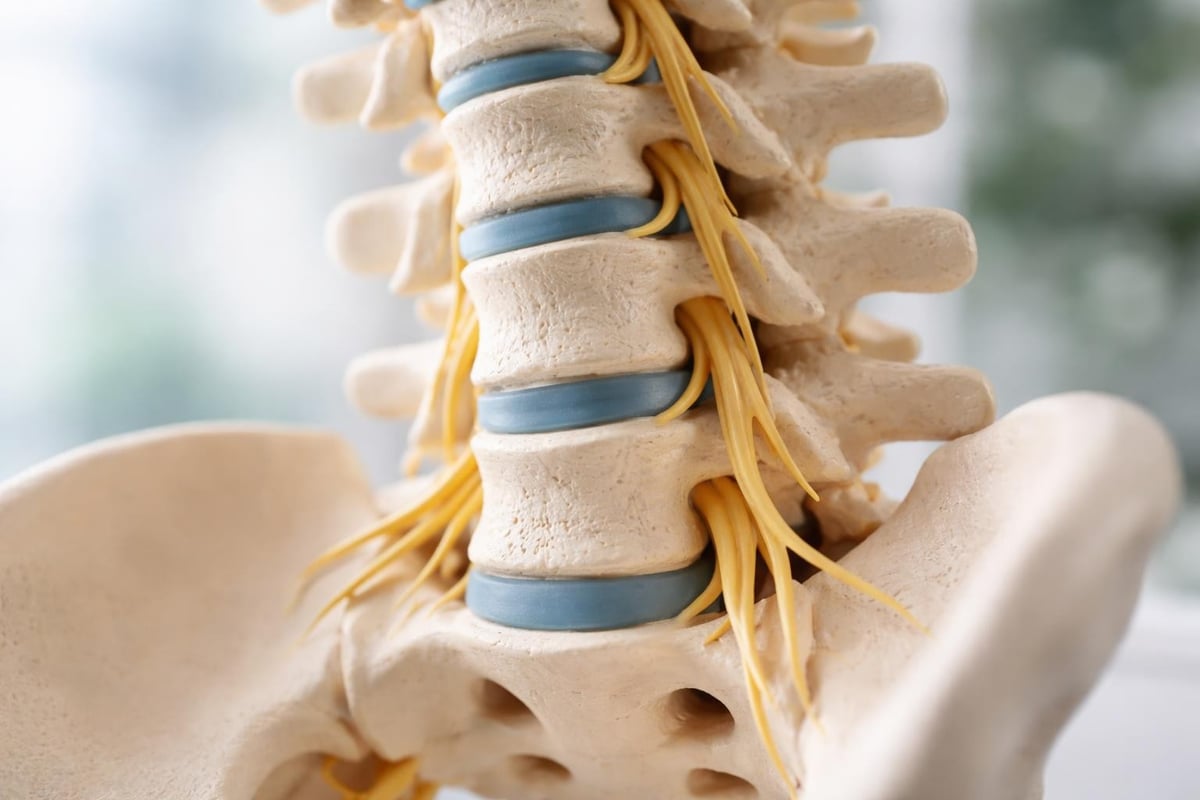
Between each vertebra sit intervertebral discs, which act as shock absorbers and facilitate movement. These discs contain a gel-like nucleus surrounded by tough fibrous rings. When you support spine structures properly through posture and movement patterns, these discs remain hydrated and functional.
The Spinal Cord and Nervous System Connection
Your spinal cord runs through the vertebral column, serving as the communication highway between your brain and body. Protecting this delicate neural tissue represents one of the most crucial reasons to support spine health consistently.
When vertebrae misalign or discs degenerate, they can compress nerves, leading to pain, numbness, weakness, or dysfunction in areas far from the actual spinal problem. This is why maintaining proper spinal alignment becomes essential for overall health, not just back pain prevention.
Daily Habits That Support Spine Wellness
The foundation of spinal health lies in consistent daily practices that reinforce proper alignment and reduce strain on vertebral structures. Small adjustments to your routine can yield significant long-term benefits.
Morning routines set the tone for spinal health throughout the day. Upon waking, avoid immediately jumping out of bed. Instead, roll to your side and use your arms to push yourself up, minimizing lumbar strain. Gentle stretching before standing helps prepare your spine for upright posture.
Ergonomic workstation setup has become non-negotiable for the millions who work at desks. Your computer monitor should sit at eye level, approximately an arm's length away. Your chair should support spine curves naturally, with your feet flat on the floor and knees at a 90-degree angle.
Consider these essential workstation elements:
- Adjustable chair with lumbar support
- Monitor positioned to prevent neck flexion
- Keyboard and mouse placement that keeps elbows at 90 degrees
- Footrest if needed to maintain proper leg position
- Standing desk option for position variation
The impact of sedentary lifestyles on spinal health cannot be overstated. Movement breaks every 30-45 minutes help decompress the spine and restore circulation to spinal tissues.
Sleep Position and Mattress Selection
How you sleep directly affects your ability to support spine alignment during the body's natural healing hours. Your sleeping position should maintain the spine's natural curves rather than forcing it into unnatural positions.
| Sleep Position | Best Practice | Pillow Recommendation |
|---|---|---|
| Back sleeper | Place pillow under knees | Medium loft, supports neck curve |
| Side sleeper | Pillow between knees | Higher loft, fills shoulder gap |
| Stomach sleeper | Avoid if possible; pillow under pelvis if necessary | Very thin or no pillow |
Your mattress should neither be too firm nor too soft. Medium-firm mattresses typically provide optimal support for most people, though individual needs vary based on body weight, existing conditions, and personal preference. Replace your mattress every 7-10 years to maintain proper support.
Movement Patterns and Exercise for Spinal Support
Physical activity strengthens the muscles that support spine structures while promoting flexibility and healthy disc nutrition. However, not all exercise benefits the spine equally.
Core strengthening represents the cornerstone of spinal support. Your core includes not just abdominal muscles but also the deep stabilizers, back extensors, and hip muscles that create a muscular corset around your spine.
Effective core exercises for spinal support:
- Planks – Build endurance in stabilizing muscles without spinal flexion
- Bird dogs – Improve coordination and stability while challenging balance
- Dead bugs – Strengthen deep core while maintaining neutral spine
- Bridges – Activate glutes and posterior chain to support lumbar region
- Side planks – Target lateral stabilizers often neglected in traditional core work
Flexibility work helps maintain range of motion and prevents compensatory movement patterns that strain the spine. Focus on hip flexors, hamstrings, and thoracic mobility, as tightness in these areas often contributes to spinal dysfunction.
Proper Lifting Mechanics
Understanding how to lift objects safely protects your spine from acute injury and cumulative damage. The traditional advice to "lift with your legs" oversimplifies proper technique.
When lifting, position yourself close to the object with feet shoulder-width apart. Hinge at your hips while maintaining a neutral spine, engage your core before initiating the lift, and drive through your legs while keeping the object close to your body. Avoid twisting while holding weight; instead, pivot with your feet.
For heavier objects, consider whether you need assistance or equipment. No object is worth a spinal injury that could affect your quality of life for years.

Professional Care and Treatment Approaches
While self-care forms the foundation of spinal health, professional intervention often becomes necessary to address existing dysfunction and prevent future problems. Evidence-based approaches to spinal care have evolved significantly in recent years.
Chiropractic care focuses on diagnosing and treating neuromuscular disorders through manual adjustment and manipulation of the spine. These techniques aim to reduce pain, improve function, and support the body's natural healing abilities.
The comprehensive guidelines for cervical and thoracic spine treatment emphasize the importance of individualized care plans based on thorough examination and accurate diagnosis. Cookie-cutter approaches rarely deliver optimal outcomes.
When to Seek Professional Evaluation
Certain symptoms warrant immediate professional assessment to support spine health and prevent serious complications:
- Pain radiating into arms or legs
- Numbness or tingling in extremities
- Progressive weakness in muscles
- Loss of bowel or bladder control
- Pain following trauma or injury
- Symptoms that worsen despite self-care
Even without severe symptoms, regular chiropractic evaluations help identify subtle misalignments before they progress to painful conditions. Preventive care through spinal adjustments offers benefits beyond pain relief.
Special Considerations Across Life Stages
Spinal support needs evolve throughout life, requiring different approaches for various age groups and conditions.
Pediatric Spinal Health
Children's developing spines require special attention to ensure proper growth patterns. Poor posture from heavy backpacks, extended device use, and inadequate physical activity increasingly affects younger populations.
Parents should monitor their children for signs of spinal dysfunction, including uneven shoulders, head tilt, or complaints of back pain. Early chiropractic intervention supports healthy growth and prevents issues from becoming chronic.
Proper infant positioning also matters. Following guidelines about when babies can use pillows and supportive devices helps protect developing cervical spines during critical growth periods.
Pregnancy and Postpartum Considerations
Pregnancy dramatically alters spinal biomechanics as the body adapts to accommodate a growing baby. Hormonal changes increase ligament laxity, while weight gain and postural shifts stress the lumbar spine.
Safe practices during pregnancy include:
- Wearing supportive, low-heeled shoes
- Using pregnancy pillows for proper sleep positioning
- Performing prenatal yoga or stretching with professional guidance
- Seeking specialized chiropractic care trained in pregnancy techniques
- Avoiding prolonged standing or sitting
The benefits of chiropractic care during pregnancy extend beyond comfort, potentially facilitating easier labor and delivery through optimal pelvic alignment.
Postpartum recovery requires attention to support spine health while caring for a newborn. Proper nursing positions, careful lifting techniques when handling the baby, and gradual return to exercise help prevent long-term spinal issues.

Nutrition and Lifestyle Factors
What you consume affects your ability to support spine structures at the cellular level. Proper nutrition provides the building blocks for disc health, bone density, and inflammation control.
| Nutrient | Benefit for Spine Health | Food Sources |
|---|---|---|
| Calcium | Maintains bone density | Dairy, leafy greens, fortified foods |
| Vitamin D | Enhances calcium absorption | Sunlight, fatty fish, supplements |
| Omega-3 fatty acids | Reduces inflammation | Fish, flaxseed, walnuts |
| Magnesium | Supports muscle relaxation | Nuts, seeds, whole grains |
| Vitamin K | Aids bone mineralization | Leafy vegetables, fermented foods |
Hydration directly impacts disc health. Intervertebral discs consist largely of water, and proper hydration helps maintain their shock-absorbing properties. Aim for at least eight glasses of water daily, adjusting for activity level and climate.
Weight management reduces mechanical stress on spinal structures. Every excess pound adds approximately four pounds of pressure to the lumbar spine. Maintaining a healthy weight through balanced nutrition and regular activity provides significant protection against degenerative spinal conditions.
Managing Common Spinal Conditions
Understanding prevalent spinal issues helps you recognize symptoms early and seek appropriate intervention to support spine recovery.
Disc Herniation and Degeneration
Disc problems occur when the tough outer ring weakens, allowing the inner nucleus to bulge or rupture. This can compress nearby nerves, causing pain, numbness, or weakness.
Conservative treatment typically includes rest modification, anti-inflammatory approaches, physical therapy, and chiropractic care. The latest evidence-based recommendations emphasize comprehensive, non-surgical interventions as first-line treatment.
Surgery becomes necessary only when conservative measures fail or when neurological compromise threatens permanent damage. Modern surgical techniques have improved outcomes significantly, though prevention through proper spinal support remains the best strategy.
Whiplash and Soft Tissue Injuries
Auto accidents and sports injuries commonly cause whiplash, which affects the cervical spine through rapid acceleration-deceleration forces. Understanding whiplash symptoms and similar conditions helps ensure accurate diagnosis.
Treatment focuses on reducing inflammation, restoring range of motion, and strengthening supporting muscles. Many patients experience delayed symptom onset, making early evaluation important even when initial pain seems minimal.
Technology and Modern Challenges
Digital device usage has created new challenges for those trying to support spine health. "Tech neck" describes the forward head posture resulting from prolonged phone and tablet use, which places excessive stress on cervical structures.
Each inch your head moves forward from neutral alignment adds approximately 10 pounds of stress to your neck and upper back. At a 60-degree forward tilt common when texting, your neck supports about 60 pounds instead of the normal 10-12 pounds.
Strategies to combat tech neck:
- Hold devices at eye level rather than looking down
- Take frequent breaks from screen time
- Perform neck retraction exercises throughout the day
- Set reminders to check and correct posture
- Use hands-free options for phone calls
Virtual work has also intensified the need to support spine health through proper home office setup. Without the ergonomic furniture often available in corporate offices, many people work from couches, beds, or makeshift desks that compromise spinal alignment.
Injury Prevention and Recovery Protocols
Whether you're an athlete or weekend warrior, understanding how to prevent and recover from spinal injuries protects long-term function. The comprehensive spine injury classification guidelines help medical professionals assess severity and determine appropriate treatment.
Pre-activity preparation includes:
- Dynamic warm-up focused on movements you'll perform
- Gradual intensity progression rather than sudden maximum effort
- Proper equipment and protective gear when appropriate
- Technique coaching for activities with spinal risk
- Recognition of fatigue as an injury risk factor
Post-injury management requires balancing rest with appropriate movement. Complete immobilization often delays recovery, while excessive activity can worsen tissue damage. Professional guidance helps navigate this balance effectively.
Environmental and Workplace Modifications
Your physical environment significantly influences your ability to support spine structures throughout the day. Beyond ergonomic furniture, consider lighting, temperature, and spatial organization.
Poor lighting causes people to lean forward and strain their necks. Position light sources to illuminate work areas without creating glare on screens. Natural light, when available, supports circadian rhythms and overall wellbeing.
Temperature affects muscle tension and comfort. Excessively cold environments promote muscle guarding and poor posture, while heat can cause fatigue. Maintain comfortable ambient temperatures and dress in layers for individual adjustment.
Organize frequently used items within easy reach to minimize repetitive twisting and reaching. Store heavier items at waist height rather than requiring bending or overhead reaching.
Long-Term Maintenance and Prevention
Supporting spine health represents a lifelong commitment rather than a temporary fix. Developing sustainable habits ensures continued function and quality of life as you age.
Annual assessments with qualified professionals help identify changes before they become symptomatic. Baseline measurements of posture, range of motion, and functional capacity provide comparison points for future evaluations.
Progressive overload applies to spinal health just as it does to fitness. Gradually increasing the challenge to supporting muscles through resistance training, balance exercises, and flexibility work maintains and improves function over time.
Stress management matters because psychological stress manifests physically through muscle tension, particularly in the neck and shoulders. Techniques like meditation, deep breathing, and regular physical activity help moderate stress responses that threaten spinal health.
Understanding your individual risk factors allows targeted prevention. Family history of spinal conditions, occupational demands, previous injuries, and lifestyle factors all influence your specific needs to support spine wellness.
Regular self-assessment helps you notice changes early. Monitor your posture in mirrors or photos, pay attention to new aches or movement limitations, and track how your body responds to various activities. This awareness enables prompt intervention when problems arise.
Protecting and maintaining your spinal health requires comprehensive attention to posture, movement, nutrition, and professional care throughout your life. By implementing the evidence-based strategies outlined above, you can significantly reduce your risk of spinal dysfunction while optimizing your body's natural healing capabilities. At Renew Spine & Wellness Chiropractic Centers, we specialize in personalized approaches to restore spinal health and nervous system integrity, addressing root causes rather than just symptoms. If you're ready to take control of your spinal wellness, schedule a comprehensive evaluation with Renew Spine & Wellness Chiropractic Centers today to develop a customized care plan that supports your unique needs and goals.