
The digital landscape is changing at an unprecedented pace, making 2026 a landmark year for marketers and businesses eager to stay ahead. To thrive in this environment, you need the latest digital marketing strategies that drive real results.
This essential guide will empower you with insights into AI-driven personalization, omnichannel integration, data privacy trends, and the emergence of new platforms. Recent research shows 53% of senior marketers are increasing digital budgets, fueling competition and innovation.
Mastering these approaches means higher engagement, stronger brand awareness, and greater revenue growth. Explore these proven tactics and start implementing them today for measurable success.
Understanding the 2026 Digital Marketing Landscape
The digital marketing landscape in 2026 is evolving at a remarkable pace. Businesses face heightened competition and must adapt to new challenges and opportunities. To remain competitive, organizations need to understand how digital marketing strategies are shifting, what consumers expect, and how regulations are influencing the industry.

The Acceleration of Digital Transformation
The momentum of digital transformation has surged since 2025. Companies are rapidly increasing investments, with 53% of senior marketers allocating more budget to digital initiatives. AI and automation are revolutionizing marketing operations, streamlining workflows, and enabling smarter decision-making.
Marketing teams now require a blend of technical, creative, and analytical skills. Agility is critical, as organizations must continuously learn and adapt. New platforms, tools, and data-driven approaches are redefining how brands engage audiences. According to the 2026 digital marketing trends report, leading businesses are leveraging AI for predictive analytics, campaign optimization, and personalized content.
To maximize results, digital marketing strategies must prioritize innovation and flexibility. Teams that embrace change and invest in ongoing education are best positioned to thrive.
Emerging Consumer Behaviors and Expectations
Consumer expectations are higher than ever. Audiences demand personalized, seamless experiences across every digital touchpoint. Privacy concerns are shaping interactions, as users seek transparency and control over their data.
Mobile and voice search usage continues to rise, driving brands to optimize for instant, conversational engagement. Micro-moments—instances when consumers turn to devices for quick answers or decisions—are increasingly important. Brands excelling in customer-centric digital marketing strategies are those that:
- Deliver tailored content in real time
- Respond promptly to inquiries across platforms
- Build trust through clear privacy practices
For example, a retail brand that uses AI to anticipate customer needs and adapts messaging in the moment can achieve higher satisfaction and loyalty. Understanding these behaviors is essential for crafting effective digital marketing strategies.
Key Regulatory and Privacy Changes
The regulatory environment is rapidly evolving. Updates to GDPR and the expansion of CCPA are reshaping how brands collect and manage user data. The deprecation of third-party cookies is forcing marketers to rethink targeting and measurement.
To stay compliant and effective, organizations are turning to first-party data and consent-based marketing. Key strategies include:
- Building direct customer relationships via loyalty programs
- Implementing transparent consent mechanisms
- Regularly auditing data processes for compliance
A notable example from 2025 is a global retailer that pivoted to a privacy-first approach. By focusing on first-party data and clear communication, the brand maintained trust and improved campaign performance. As privacy regulations tighten, digital marketing strategies must evolve to prioritize ethical data use and robust consent.
Core Components of a Future-Proof Digital Marketing Strategy
To thrive in 2026, businesses must build digital marketing strategies that adapt and endure. A future-proof approach relies on clear goals, audience insights, effective channel management, compelling content, and ongoing refinement. Each component works together to drive sustainable growth, no matter how the landscape evolves.

Setting Clear Objectives and KPIs
Effective digital marketing strategies start with well-defined objectives. Align your digital goals closely with overall business outcomes, ensuring every campaign supports revenue, brand growth, or customer loyalty.
Move beyond vanity metrics by selecting KPIs that truly indicate progress. Instead of likes or impressions, track metrics like customer acquisition cost, lead quality, and lifetime value. This shift helps teams focus on what matters most.
Continuous measurement is essential. Use agile goal-setting frameworks such as OKRs or SMART goals to adjust direction quickly. This approach keeps digital marketing strategies relevant and responsive as circumstances change.
Audience Understanding and Persona Development
Understanding your audience is the foundation of all digital marketing strategies. Start by gathering demographic, psychographic, and behavioral data from multiple sources, including analytics, surveys, and social listening.
Build buyer personas that reflect your ideal customers’ motivations, pain points, and digital habits. Regularly update these personas as trends shift and new data emerges.
Use frameworks like empathy mapping and customer journey analysis to deepen insights. For example, a tech brand that refined its personas saw engagement and retention soar, proving that audience-centric digital marketing strategies deliver measurable results.
Channel and Asset Audit
A comprehensive channel and asset audit is vital for optimizing digital marketing strategies. Begin by cataloging all owned, earned, and paid media assets, from websites to social profiles and ad campaigns.
Map each asset to organizational goals, identifying which channels drive the most value. Look for gaps where new opportunities may exist or where underperforming assets need attention.
Leverage Digital tools for marketing strategy to streamline your audits, track performance, and uncover actionable insights. A robust audit process ensures digital marketing strategies remain aligned with evolving business priorities.
Content Strategy for 2026
Content remains the engine powering digital marketing strategies. In 2026, prioritize a mix of formats, including video, interactive experiences, long-form articles, and user-generated content.
Repurposing and atomization are key. Break larger content pieces into smaller, platform-specific assets to maximize reach and engagement. Collaborate with influencers and encourage customers to contribute authentic stories and reviews.
Brands that execute multi-channel content campaigns see higher-quality leads and deeper audience connections. Evolving your content approach is necessary for digital marketing strategies to stay effective.
Review, Refine, and Iterate
No digital marketing strategies are ever truly finished. Set up regular feedback loops, using analytics to assess what’s working and what needs improvement.
Schedule quarterly strategy reviews to incorporate new trends, technologies, and customer feedback. Adopt a test-and-learn mindset that values experimentation and quick pivots.
A leading brand doubled its ROI by iterating digital marketing strategies every quarter, learning from both successes and setbacks. This culture of refinement ensures your approach remains future-proof and resilient.
Top Digital Marketing Strategies for 2026
Staying ahead in 2026 means embracing the digital marketing strategies that are shaping the future. As competition intensifies and technology evolves, only the most adaptive marketers will thrive. To help you chart a winning course, here are the essential digital marketing strategies every business should master.

AI-Driven Personalization and Automation
AI is transforming digital marketing strategies by delivering hyper-personalized experiences at scale. Marketers use AI to analyze vast amounts of customer data and predict preferences, enabling tailored content, product recommendations, and customized user journeys.
Automation streamlines segmentation, targeting, and nurturing across the funnel. For example, AI-powered email campaigns can adjust messaging in real time, boosting engagement and conversion rates. In 2025, brands leveraging AI reported conversion increases of up to 30 percent.
The key is integrating AI with your digital marketing strategies to enhance relevance and efficiency. Marketers who prioritize continuous testing and optimization see measurable improvements in both customer satisfaction and ROI.
Omnichannel and Integrated Campaigns
Consumers now expect seamless brand experiences across every touchpoint. Omnichannel digital marketing strategies unify messaging and branding across web, mobile, social media, email, and even in-store interactions.
Successful brands map the customer journey, ensuring each channel reinforces the others. By integrating data and analytics, marketers gain a holistic view of customer behavior. This allows for consistent engagement, personalized offers, and real-time responsiveness.
Tools like unified marketing platforms and customer data platforms (CDPs) are essential for executing integrated campaigns. Omnichannel digital marketing strategies drive higher engagement and loyalty by meeting consumers wherever they are.
Advanced SEO and Voice Search Optimization
SEO continues to evolve, with intent-based keywords, structured data, and semantic search now essential components of digital marketing strategies. As voice and visual search grow, optimizing for conversational queries and natural language is critical.
Marketers are leveraging AI-driven keyword research and content optimization tools to stay ahead. Structured data helps search engines understand content context, boosting visibility in rich results. Preparing for voice search is vital, as more users rely on smart devices for information.
To dive deeper into these trends, explore the latest Voice search optimization trends, which detail how conversational SEO is reshaping digital marketing strategies in 2026.
Social Media and Community Building
Social platforms are evolving, and so must your digital marketing strategies. Brands are moving beyond traditional networks to engage audiences on emerging platforms and niche communities. Authentic engagement is key, with a focus on building trust and long-term relationships.
Community-driven initiatives, such as interactive content, live events, and social listening, foster brand advocacy. Micro-influencers play a growing role, driving targeted engagement in specific interest groups. Real-time interaction and personalized responses help brands stand out.
Effective social media digital marketing strategies prioritize two-way communication, empowering loyal communities and amplifying brand reach.
Paid Advertising Innovations
The paid media landscape is experiencing rapid change. AI and first-party data now power smarter targeting, enabling marketers to reach ideal audiences with precision. Innovations in ad formats, such as interactive, shoppable, and AR/VR ads, create immersive experiences.
Budget optimization tools help allocate spend efficiently across channels. Cross-platform campaigns are vital, ensuring message consistency and maximizing ROI. Marketers must adapt digital marketing strategies to leverage these innovations and remain competitive.
Brands excelling in paid advertising track performance closely, refining tactics based on real-time analytics and evolving consumer behavior.
Influencer and Partnership Marketing
Influencer and partnership marketing remain central to digital marketing strategies in 2026. Selecting partners based on engagement, not just follower count, leads to more authentic connections. Long-term partnerships yield better results than one-off collaborations.
Popular campaign types include influencer takeovers, social challenges, and co-created content. These initiatives boost credibility and expand brand reach. Strategic alignment with influencers who share your values ensures stronger audience resonance.
Successful digital marketing strategies in this area measure impact through clear KPIs, focusing on conversions and sustained community growth.
Email and Lifecycle Marketing
Email remains a cornerstone of digital marketing strategies, evolving with advanced personalization and automation. Behavioral triggers enable dynamic, hyper-personalized journeys that nurture leads from awareness to conversion.
With third-party cookies fading, marketers rely on list-building tactics like gated content and exclusive offers. Integrating email with SMS and push notifications creates cohesive lifecycle campaigns. Consistent testing and data analysis refine messaging for optimal results.
Brands that excel in email digital marketing strategies achieve higher engagement, loyalty, and customer lifetime value by delivering the right message at every stage.
Specialized Strategies for B2B and SMEs
Navigating the evolving digital landscape in 2026 requires tailored digital marketing strategies for both B2B organizations and SMEs. Each faces unique challenges and opportunities, demanding a focused approach to maximize impact and drive measurable growth.
B2B Digital Marketing Tactics
B2B companies in 2026 are advancing their digital marketing strategies by prioritizing Account-Based Marketing (ABM). ABM helps target high-value clients with personalized content and outreach. Teams are leveraging thought leadership through whitepapers, webinars, and in-depth case studies to build trust and authority in their industries.
Demand generation remains essential, with a mix of advanced SEO, paid search, and content syndication expanding brand reach. Social selling is gaining momentum on platforms like LinkedIn, allowing professionals to build authentic relationships and drive leads. Marketing automation tools streamline lead scoring and nurturing, ensuring prospects receive timely, relevant communications.
Consider this example: A B2B software company implemented integrated ABM campaigns, combining targeted ads, personalized email sequences, and executive webinars. This approach shortened their sales cycle and increased conversions, demonstrating the effectiveness of modern digital marketing strategies in the B2B sector.
Digital Marketing for SMEs
For SMEs, digital marketing strategies in 2026 focus on agility and cost-effectiveness. Local SEO is a cornerstone, with businesses optimizing their Google Business Profile and managing local citations for greater visibility. Affordable paid ads on platforms like Google and Facebook allow for precise audience targeting, even on limited budgets.
User-generated content and customer testimonials play a key role in building credibility and attracting new clients. Email marketing remains vital, with personalized offers and event invitations fostering loyalty. Strategic resource allocation ensures that every marketing dollar delivers measurable returns.
Take the example of a local café. By running geo-targeted ads and encouraging satisfied customers to leave online reviews, the café tripled its foot traffic in just a few months. These digital marketing strategies showcase how SMEs can achieve impressive results with smart, focused execution.
How Expert Guidance Accelerates Digital Growth
Expert coaching can be a game-changer for businesses seeking to amplify their digital marketing strategies. Combining business coaching with integrated digital execution ensures sustainable growth and ongoing adaptability. Real-world success stories highlight how tailored website design, strategic SEO, and proactive social media management have helped small companies scale operations rapidly.
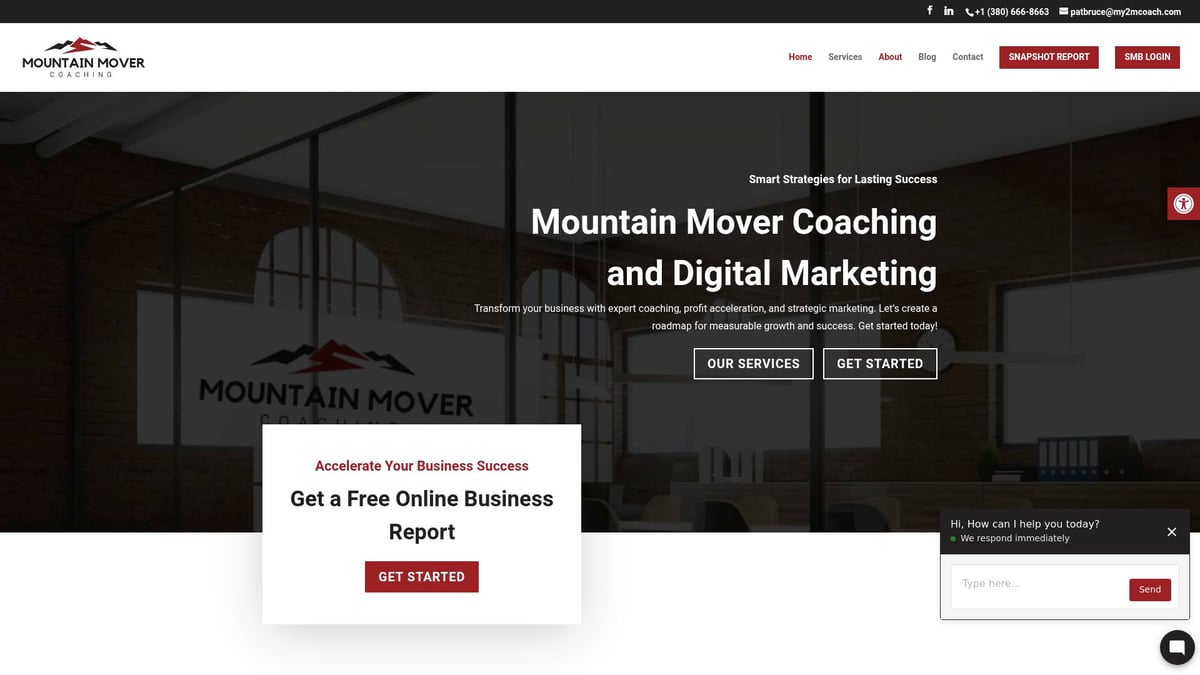
Mountain Mover Coaching and Digital Marketing stands out by offering personalized coaching, comprehensive digital services, and a relentless focus on profit acceleration. Leaders benefit from actionable tools, ongoing support, and proven frameworks that adapt to evolving market dynamics.
To stay ahead in 2026, businesses should also tap into resources like the Digital marketing blog insights for the latest trends and practical case studies. By partnering with experts, organizations can unlock new levels of performance and ensure their digital marketing strategies are always one step ahead.
Measuring Success and Navigating Future Trends
In the fast-paced world of digital marketing strategies, success depends on more than just launching campaigns. Today’s leaders must measure outcomes, adapt to change, and anticipate what comes next. To stay ahead, teams need to build frameworks that turn data into action, foster innovation, and prepare for emerging trends. This section explores how to track performance, evolve with the industry, and maintain a competitive edge using digital marketing strategies.
Data-Driven Decision Making
The foundation of effective digital marketing strategies is robust analytics. Setting up a comprehensive analytics framework enables marketers to monitor performance across every channel. This includes tracking website traffic, conversion rates, and customer journeys.
Critical metrics go far beyond surface-level numbers. Instead of focusing only on likes or impressions, successful teams identify which metrics truly drive revenue and engagement. For example, customer lifetime value and return on ad spend are essential for understanding campaign impact.
A helpful way to visualize performance is with dashboards. These tools consolidate data from various sources, making it easier to spot trends and react quickly. Teams that use dashboards can isolate high-performing tactics and address underperforming areas without delay.
The integration of AI tools is changing how decisions are made. According to AI’s impact on marketing productivity, AI-driven collaboration improves teamwork and streamlines the analysis process. This empowers marketers to pivot faster and base decisions on actionable insights, enhancing the effectiveness of digital marketing strategies.
Adapting to Ongoing Change
The digital marketing landscape is always evolving. To succeed, teams must commit to continuous learning and upskilling. Investing in professional development ensures staff stay updated on the latest digital marketing strategies and tools.
Emerging technologies like AR, VR, and blockchain are transforming how brands interact with audiences. Early adoption gives businesses an edge, but it also requires a willingness to experiment and embrace new ideas. Companies should encourage a culture where testing and innovation are part of everyday work.
A practical approach includes regular training sessions and cross-departmental knowledge sharing. Teams that adapt quickly to new platforms and trends can capture market opportunities before competitors. By fostering a spirit of curiosity and resilience, organizations can future-proof their digital marketing strategies.
Consider a company that rapidly integrated a new social media platform into its outreach. By acting quickly, they connected with a younger demographic and increased brand loyalty. This example highlights the value of agility in digital marketing strategies.
Preparing for What’s Next in Digital Marketing
Looking ahead, proactive preparation is key for maintaining momentum with digital marketing strategies. Regulatory shifts, such as evolving privacy laws and data protection requirements, will continue to shape how marketers operate. Staying informed about these changes helps teams avoid compliance issues and build trust with consumers.
The rise of new tools and platforms is inevitable. Marketers should monitor industry news, attend conferences, and participate in online communities to keep their knowledge current. Building strategies that are flexible and resilient ensures organizations are ready for whatever the future brings.
To summarize, the most successful digital marketing strategies are those that blend measurement, adaptation, and forward-thinking. By combining data-driven insights with a readiness to embrace change, businesses can thrive in the dynamic digital landscape of 2026 and beyond.
As you’ve explored the latest digital marketing strategies for 2026, it’s clear that actionable insights and tailored tactics are essential to stay ahead. Whether you’re looking to boost your online presence, refine your audience targeting, or align your marketing with business goals, having a clear picture of your current position is the first step. That’s why I recommend taking advantage of a Free Visibility Snapshot—it’s a practical way to assess where you stand and uncover opportunities for real, measurable growth. Let’s turn your strategy into results together.