
Marketing campaigns are evolving at a remarkable pace, driven by bold creativity and cutting-edge technology in 2026. As audiences crave more personalized, authentic, and engaging experiences, brands are setting new benchmarks in how they connect and inspire.
This article highlights 12 inspiring marketing campaigns that stand out for their innovative strategies and creative executions. From tech-powered initiatives and socially impactful stories to viral sensations and data-driven efforts, these campaigns offer a glimpse into the future of marketing.
Looking for actionable insights and fresh ideas? Dive in and discover what sets these campaigns apart, and learn how to elevate your own approach.
The Changing Landscape of Marketing Campaigns in 2026
The landscape for marketing campaigns in 2026 is transforming at a rapid pace. Brands are adapting to new technologies, shifting consumer values, and a culture where relevance is measured in seconds. Marketers must embrace innovation, authenticity, and agility to stand out in a crowded marketplace.
The Rise of AI-Driven Creativity
Artificial intelligence is redefining marketing campaigns, powering hyper-personalization and automating complex creative processes. Brands now use AI to generate content, predict audience preferences, and deliver dynamic ad targeting in real time. According to GWI, 60% of consumers feel excited about AI in marketing.
A standout example is the surge of AI-Driven Marketing Campaigns in 2026, which showcases how top brands are achieving higher engagement and ROI with AI-generated assets. This shift enables marketers to focus on strategy and storytelling, while AI handles data-heavy tasks.
The Importance of Social Impact and Authenticity
Consumers expect marketing campaigns to reflect genuine values and support social causes. Brands are responding by championing diversity, equity, and sustainability through their messaging and actions.
For instance, campaigns that highlight women’s achievements in sports or support environmental initiatives have sparked meaningful conversations. Data from GWI reveals that 44% of sports fans want increased coverage of women’s sports, underscoring the demand for authentic, values-driven content. Marketers who align with real-world issues build trust and lasting loyalty.
The Power of Omnichannel Experiences
Today’s most effective marketing campaigns integrate digital, social, and in-person touchpoints for seamless consumer journeys. Leading brands connect with audiences on multiple platforms, blending online and offline experiences.
Consider how 40% of women now research health topics online, which makes digital-first strategies essential. By meeting customers wherever they are, marketers create unified brand experiences that drive deeper engagement and measurable results. Omnichannel approaches ensure no opportunity is missed.
Leveraging Data and Consumer Insights
Data is the backbone of successful marketing campaigns, guiding decisions from ideation to execution. Brands use audience profiling, segmentation, and analytics to tailor messages and optimize performance.
Marketers who leverage data gain a clearer understanding of what resonates with their target segments. This enables smarter resource allocation, improved ROI, and the ability to pivot quickly as trends evolve. In a data-driven era, insight is power.
Viral and Cultural Moments as Catalysts
Pop culture, memes, and major events are propelling marketing campaigns to viral status. Marketers who tap into trending topics or global happenings can achieve massive organic reach almost overnight.
Examples include campaigns tied to the World Cup or blockbuster film releases, which ride the wave of public attention. Timeliness and cultural relevance are now critical ingredients for campaigns aiming to break through the noise and capture the collective imagination.
12 Inspiring Marketing Campaigns to Watch in 2026
The year 2026 is a showcase of boundary-pushing marketing campaigns that blend creativity, technology, and cultural relevance. Brands are reaching audiences through inventive storytelling, immersive experiences, and data-driven personalization. As you explore these examples, consider how each campaign redefines what is possible in marketing campaigns today.
Barbie: The Breadcrumb Strategy Goes Global
Barbie’s marketing campaigns in 2026 set a new benchmark for anticipation and engagement. The brand orchestrated a breadcrumb strategy, slowly unveiling teasers and behind-the-scenes glimpses across multiple digital platforms. This approach fueled speculation and excitement, keeping Barbie at the center of pop culture conversations.
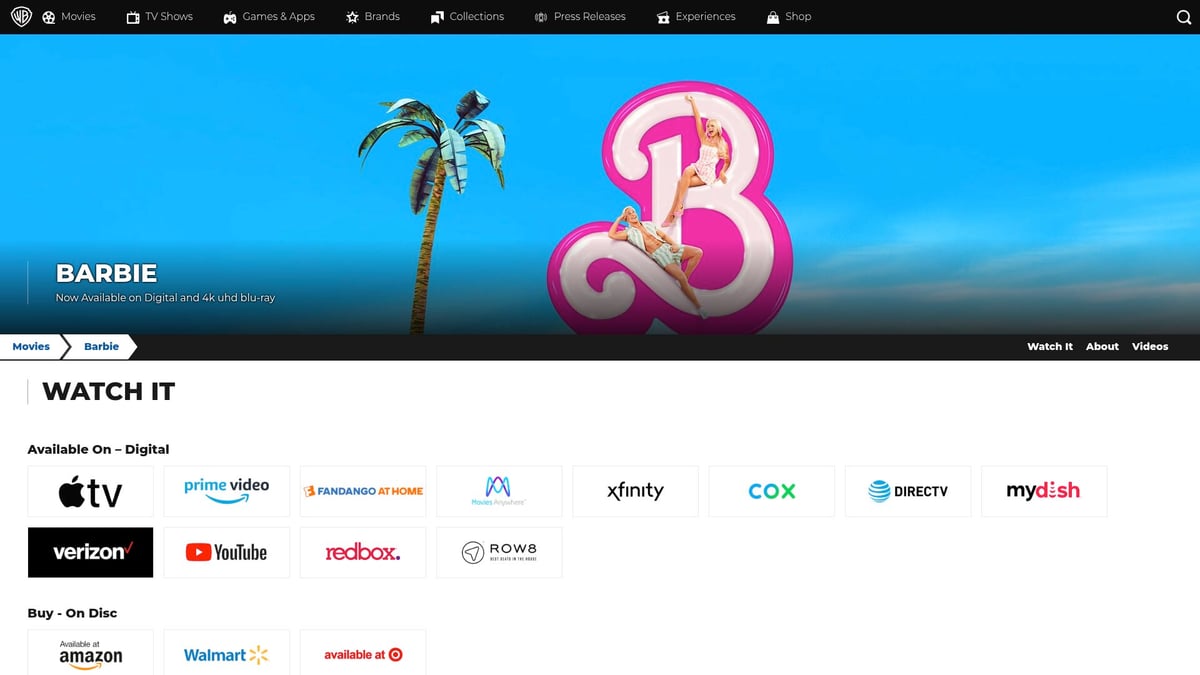
What made this campaign unique was its synergy between paid and earned media. Influencers, celebrities, and fans amplified the message, resulting in viral trends and massive organic reach. The campaign’s cross-generational appeal resonated with Gen Z, Millennials, and families alike.
A key factor in Barbie’s success was its use of data to target high-engagement segments. For example, highlighter makeup wearers were 118% more likely to interact with Barbie content. These insights helped optimize messaging and creative assets for maximum impact. Marketing campaigns like this demonstrate the power of pop culture aesthetics and strategic audience profiling.
Grand Theft Auto 6: Teaser-Driven Hype
Rockstar Games redefined marketing campaigns with the launch of Grand Theft Auto 6. The company created a cinematic trailer event, leveraging suspenseful storytelling and a temporary social media blackout to heighten anticipation. Each teaser was meticulously timed, referencing real-life viral moments and pop culture.
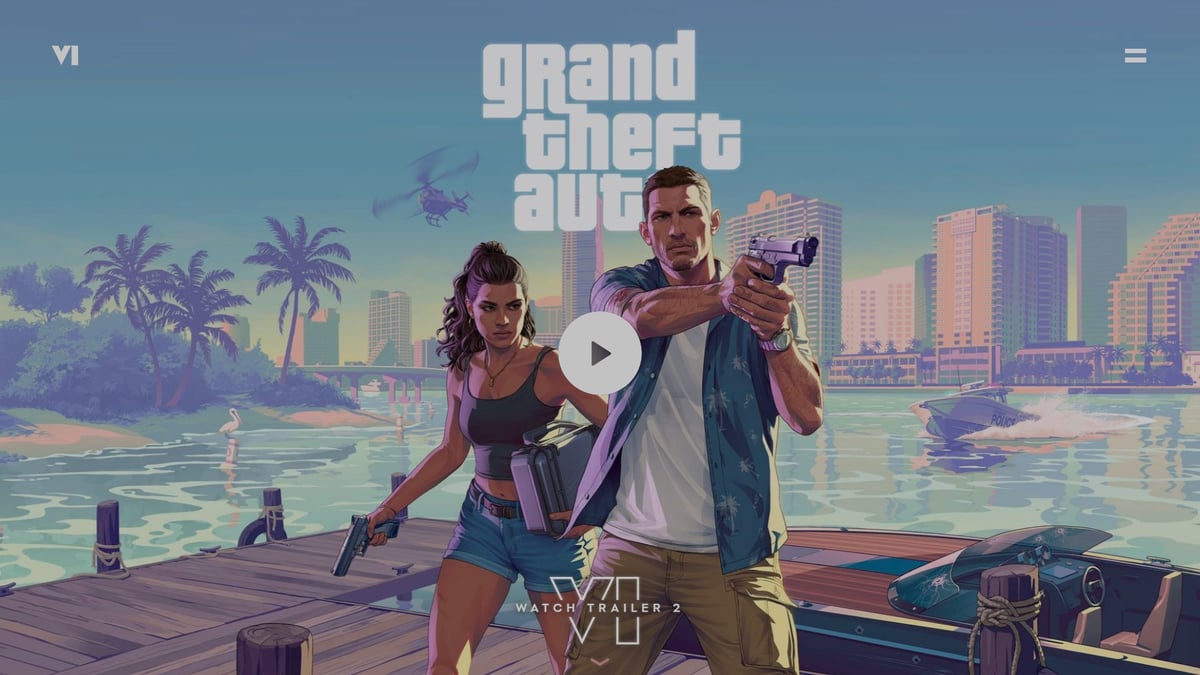
The campaign’s influencer collaborations and story-driven content attracted both gamers and mainstream audiences. Within two weeks, the trailer amassed over 19 million views, proving the effectiveness of well-planned marketing campaigns on a global scale.
By treating the trailer like a major film premiere, Rockstar engaged its community and sparked widespread discussion. Notably, 62% of GTA fans express interest in cinema, underlining the campaign’s cultural crossover. For marketers, this highlights the value of blending entertainment and product launches in marketing campaigns.
Flo Health: Personalized Pregnancy Content
Flo Health revolutionized marketing campaigns in women’s health by introducing Instagram-style daily stories tailored to pregnant users. The campaign featured personalized countdowns, interactive Q&A sessions, and expert advice delivered in visually engaging formats.
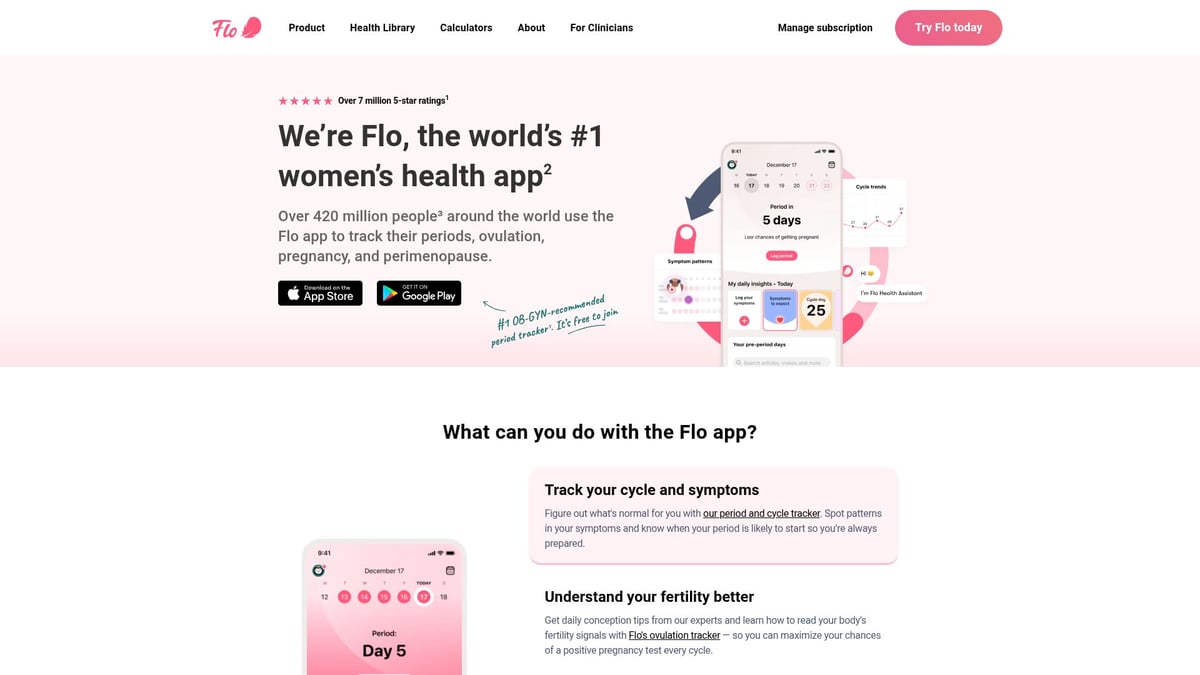
This strategy led to a surge in daily app usage and contributed to over 300 million downloads. By focusing on user-centric experiences, Flo Health built a loyal, highly engaged audience. The campaign’s success highlights the growing importance of personalization in marketing campaigns.
With 25% of women using health or fitness apps monthly, Flo Health’s approach demonstrates how digital familiarity can drive health education. Marketing campaigns that prioritize user needs and digital habits are likely to see increased adoption and retention.
Orange France: Challenging Gender Bias in Sports
Orange France set a new standard for socially impactful marketing campaigns by using deepfake technology to expose gender bias in football coverage. The campaign swapped men’s faces onto women players in viral videos, revealing subconscious biases among viewers.
This bold approach sparked national conversations about diversity and equity in sports. The campaign’s AI-powered visuals and poignant messaging earned multiple awards and resonated strongly with sports fans and advocates for gender equality.
Data from GWI showed that 44% of sports fans want more women’s sports coverage, reinforcing the campaign’s relevance. Orange France proved that marketing campaigns rooted in social commentary and tech innovation can inspire change and foster brand loyalty.
Hilton Hotels: TikTok Storytelling for Gen Z
Hilton Hotels embraced TikTok’s creative ecosystem to launch marketing campaigns tailored for Gen Z. Their “stay on TikTok” initiative blended humor, influencer collaborations, and interactive challenges to humanize the brand.
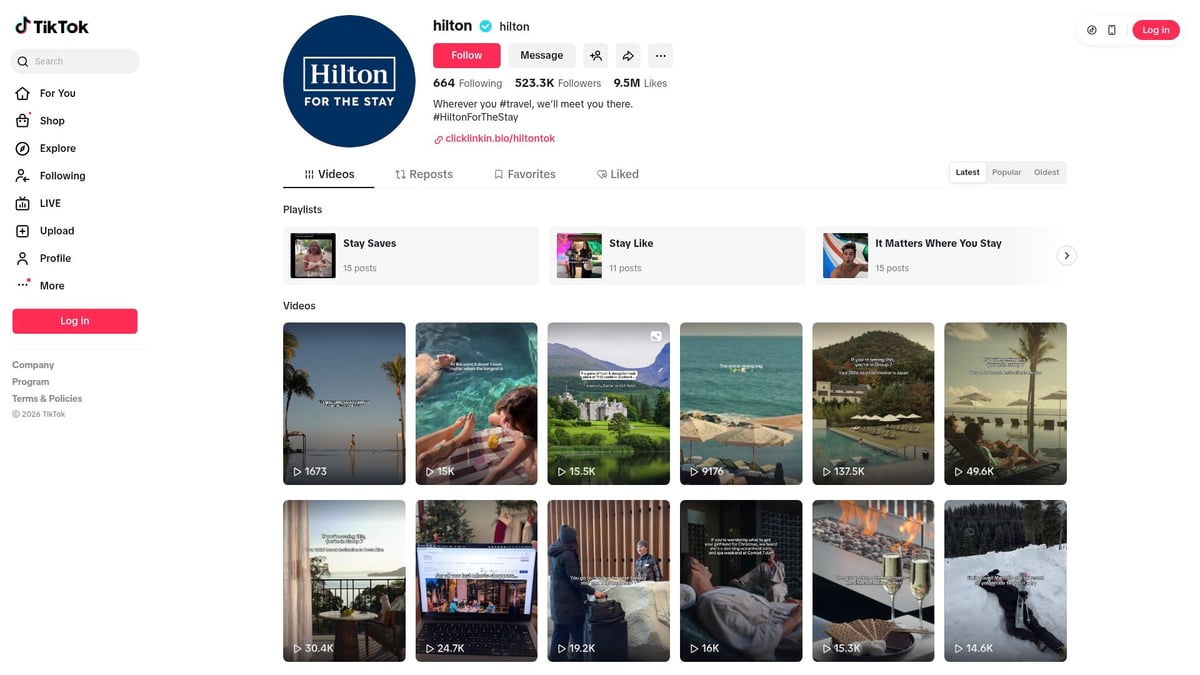
The campaign achieved over 500,000 video likes, driving engagement and direct bookings among young travelers. Hilton’s platform-native creativity made the brand relatable and accessible, a key factor in successful marketing campaigns targeting digital-first audiences.
By leveraging TikTok trends and user-generated content, Hilton fostered a sense of community and participation. This example demonstrates how marketing campaigns can thrive by aligning with platform culture and audience interests.
Diablo IV: Cathedral of Diablo Experience
Diablo IV’s marketing campaigns broke new ground with an immersive cathedral art installation and live-action trailer. The campaign blended gothic aesthetics, celebrity collaborations, and cross-media storytelling to capture the attention of gamers, music fans, and art lovers.

One highlight was a music video filmed inside the cathedral, merging gaming culture with pop music. This multisensory approach elevated Diablo IV’s brand status and won creative awards, showcasing how experiential marketing campaigns can create lasting cultural moments.
With Diablo fans being 32% more likely to enjoy pop music, the campaign’s fusion of genres and formats proved highly effective. Marketing campaigns that offer unique experiences beyond traditional ads can generate powerful buzz and organic reach.
Nike: Just Do It—Reinvented for 2026
Nike’s legendary “Just Do It” slogan evolved in 2026 through marketing campaigns that integrated augmented reality and community-driven challenges. Users could access interactive AR experiences and share their achievements via a dedicated campaign app.
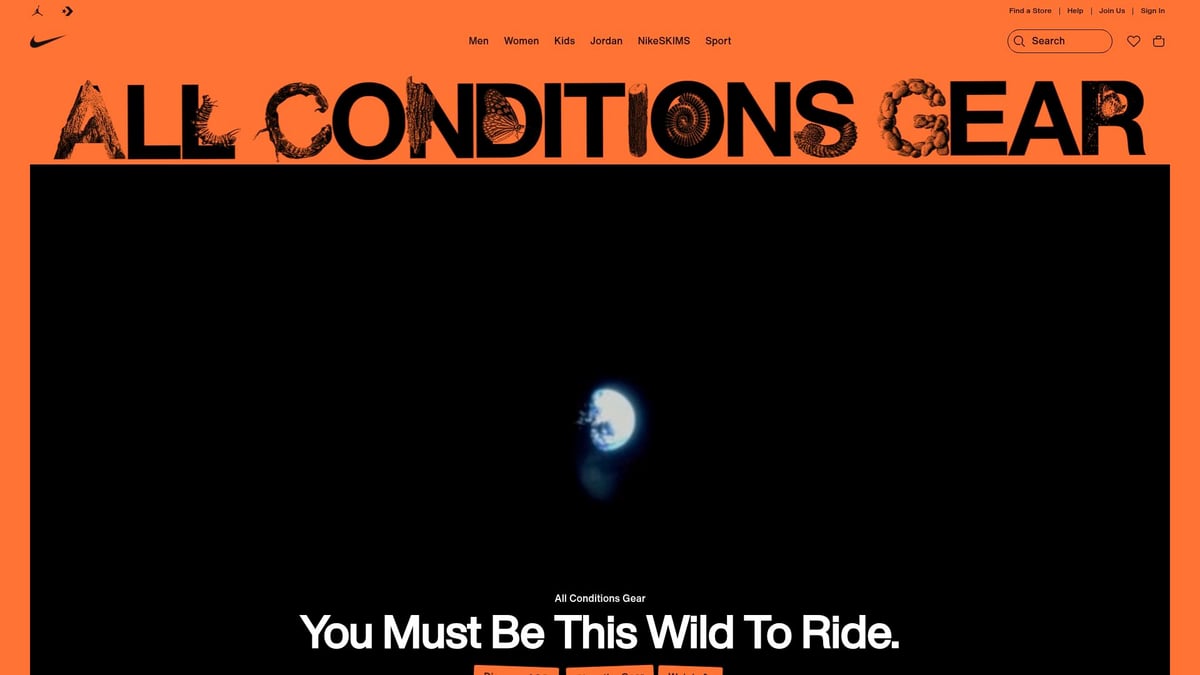
This approach fostered emotional connections and increased participation among athletes, fitness enthusiasts, and youth. Nike’s blend of storytelling and technology exemplifies how marketing campaigns can drive brand loyalty and inspire personal growth.
By encouraging user-generated stories, Nike empowered its community to become active campaign participants. This strategy highlights the importance of engagement and interactivity in modern marketing campaigns.
Pepsi: The “More Than OK” Super Bowl Revival
Pepsi’s Super Bowl marketing campaigns took a self-aware, playful approach, turning the phrase “Is Pepsi OK?” into a memorable brand strength. Humorous skits, celebrity appearances, and multi-channel integration made the campaign a viral sensation.
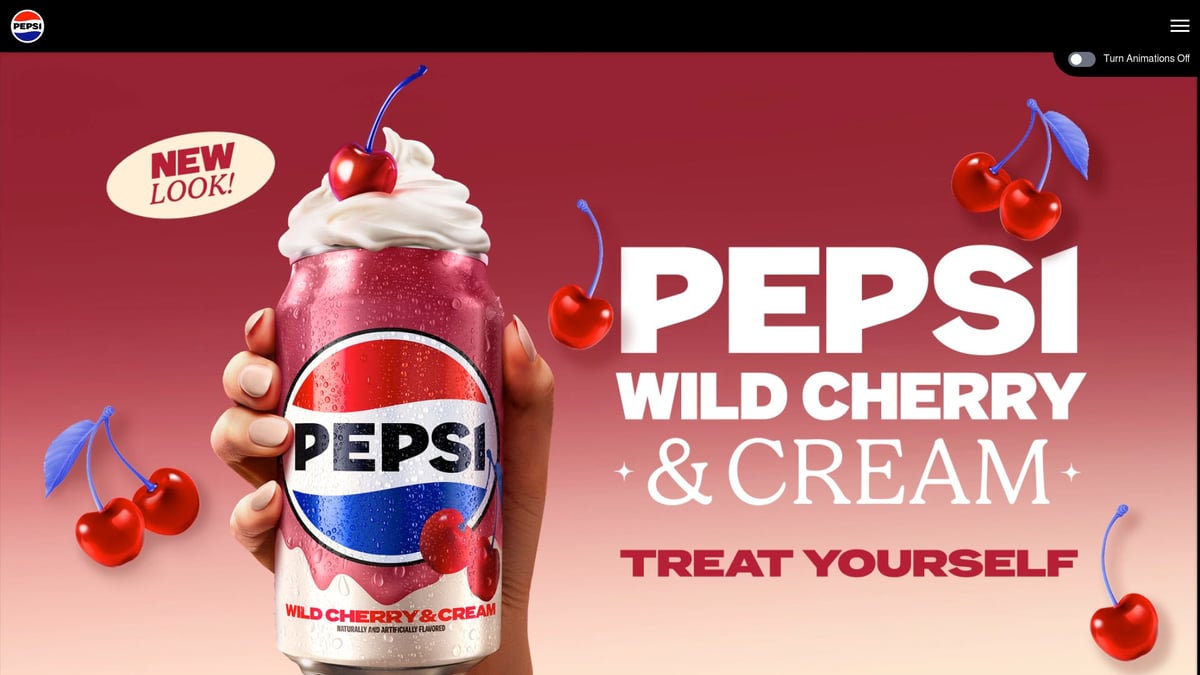
Limited-edition products and afterparty experiences deepened the campaign’s impact, appealing to mainstream beverage consumers and pop culture fans. The timing around the Super Bowl maximized reach, making it one of the standout marketing campaigns of the year.
Pepsi’s success illustrates how brands can embrace perceived weaknesses and turn them into cultural talking points. Effective marketing campaigns often leverage humor, timing, and broad appeal to stay relevant.
Dove: Real Beauty 2.0—Championing Diversity
Dove continued to lead purpose-driven marketing campaigns with its expanded Real Beauty 2.0 initiative. The campaign promoted body positivity and self-esteem through inclusive casting, real-life stories, and educational partnerships with schools.
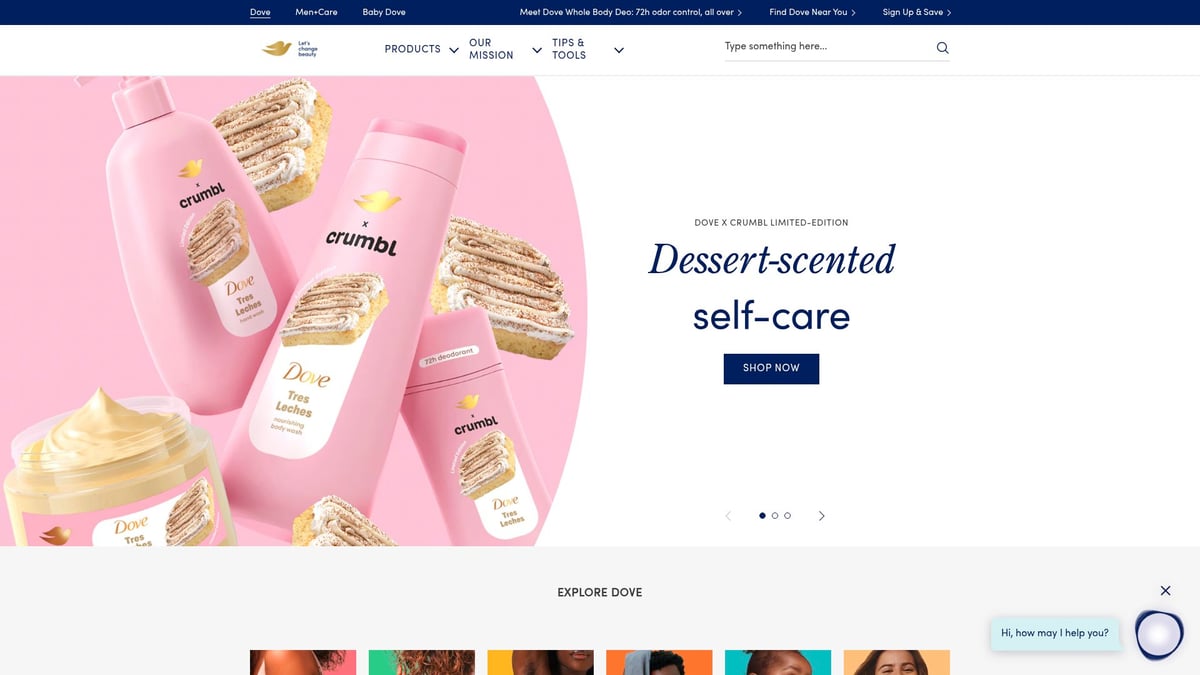
Billboard and digital ads featured women of all shapes, sizes, and backgrounds, building positive brand sentiment and strengthening trust. Dove’s ongoing commitment to diversity has made its marketing campaigns a model for authentic, values-driven storytelling.
By collaborating with educators and families, Dove ensured its message resonated across generations. This campaign exemplifies how marketing campaigns aligned with social causes can foster lasting loyalty.
Old Spice: Humor Meets Interactivity
Old Spice revitalized its iconic “The Man Your Man Could Smell Like” campaign with interactive marketing campaigns. Personalized video responses, meme culture integration, and social media challenges brought renewed buzz to the brand.
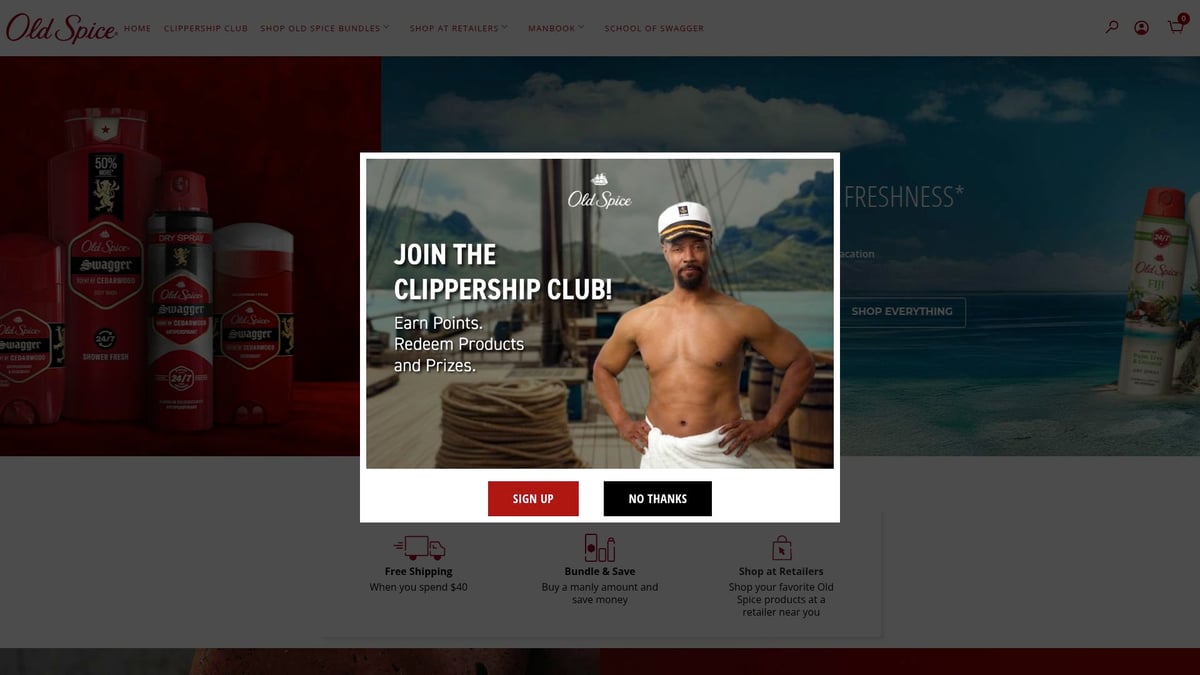
Participants received custom video replies from the Old Spice Man, increasing shareability and engagement. The campaign’s humor and creativity appealed to both men and women, driving high recall and viral momentum.
By tapping into meme trends and user participation, Old Spice demonstrated how marketing campaigns can remain fresh and relevant. Interactivity and personalization are key ingredients in today’s most effective marketing campaigns.
Coca-Cola: Share a Coke—Personalization at Scale
Coca-Cola expanded its famed Share a Coke marketing campaigns with digital personalization tools. Users could design custom labels and share their creations online, incentivizing both digital engagement and offline purchases.
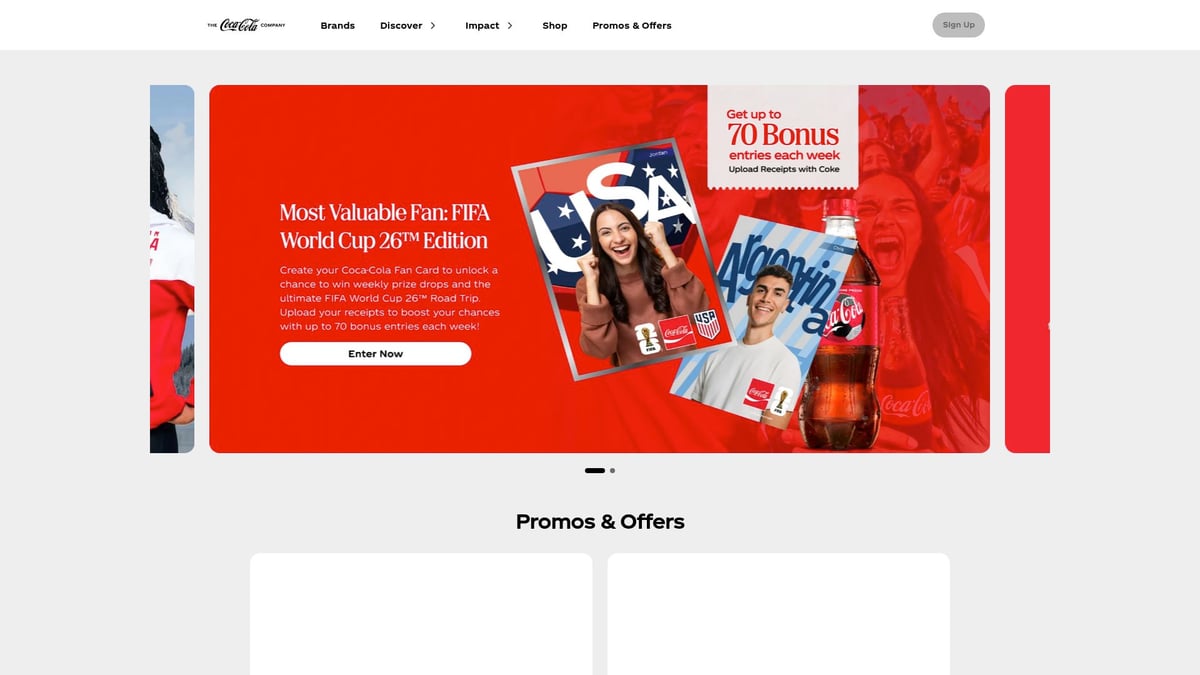
This global campaign generated massive user-generated content and boosted sales, especially among Millennials, Gen Z, and families. The seamless integration of social sharing and product personalization set a new standard for marketing campaigns.
Coca-Cola’s approach highlights the power of making consumers co-creators in brand storytelling. Personal connection and scale are central to successful marketing campaigns in 2026.
California Milk Processor Board: Got Milk?—Influencer Era
The Got Milk? campaign returned with a modern twist, leveraging influencer partnerships, TikTok challenges, and nostalgia marketing campaigns. Celebrity endorsements and the popular milk mustache filter reignited interest among younger, health-conscious consumers.
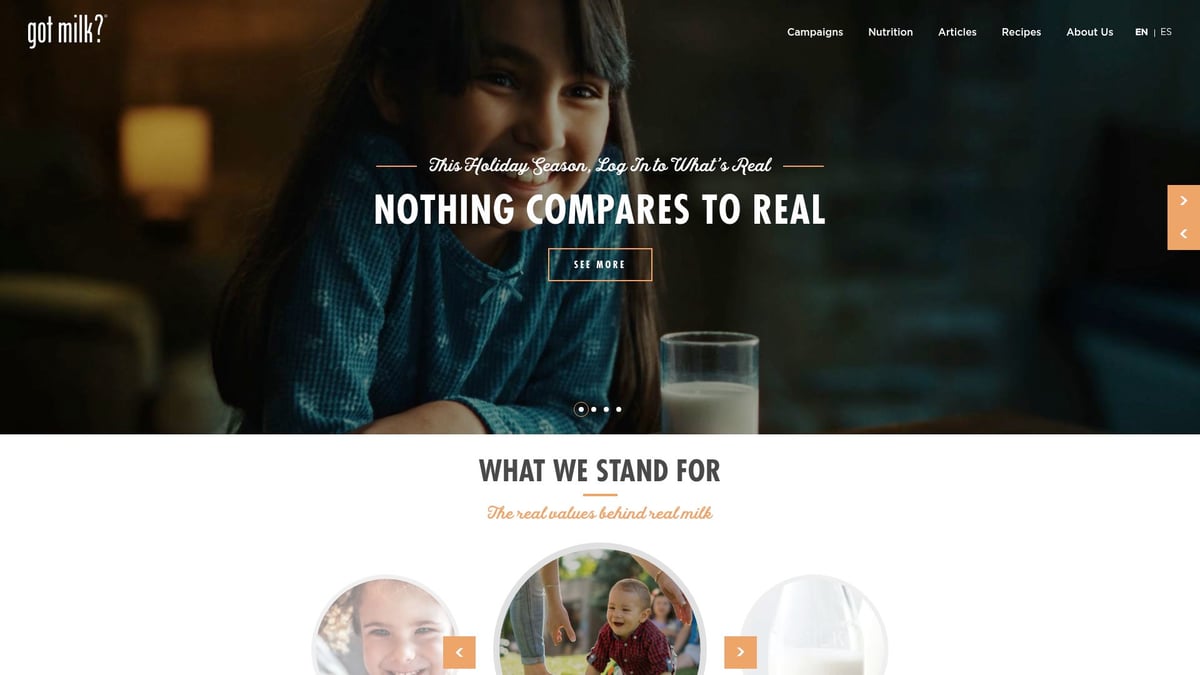
By tapping into trends and digital culture, the campaign created viral moments and strengthened milk’s relevance in a competitive market. The blend of nostalgia and innovation made this one of the most talked-about marketing campaigns of the year.
For marketers seeking more insights on what drives success in today’s landscape, exploring the Blog on digital marketing trends can provide practical inspiration and in-depth analysis of leading marketing campaigns.
Lessons Learned: What Marketers Can Apply from 2026’s Most Inspiring Campaigns
The most successful marketing campaigns of 2026 offer a blueprint for innovation, creativity, and measurable impact. By analyzing these standout efforts, marketers can adopt proven strategies to elevate their own initiatives. Let us explore the essential lessons that set these marketing campaigns apart and how you can apply them.
Embrace Technology and Data Responsibly
Technology is transforming marketing campaigns, with AI and automation driving personalization and efficiency. Brands that leverage data insights can deliver targeted messages and streamline execution, but must do so ethically. Responsible use of data builds consumer trust and ensures long-term loyalty. Marketers should explore the transformative power of AI in marketing automation to stay ahead while maintaining transparency.
Prioritize Social Impact and Authenticity
Modern audiences expect brands to support real causes and act authentically. The most memorable marketing campaigns of 2026 prioritized social impact, using genuine stories and diverse voices. This approach fosters meaningful connections and long-lasting loyalty. Aligning your brand with values and social responsibility is no longer optional, it is essential for credibility.
Create Omnichannel, Interactive Experiences
Seamless integration across digital, social, and in-person touchpoints is now a baseline for effective marketing campaigns. Interactive experiences, such as AR and VR, increase engagement and encourage participation. Marketers should design journeys that move fluidly between platforms, ensuring every audience interaction feels connected and immersive.
Harness the Power of Viral and Cultural Moments
Timeliness and cultural relevance are crucial for amplifying marketing campaigns. Brands that react quickly to trends, memes, or major events can achieve exponential reach. Collaborating with creators and influencers allows for authentic participation in cultural conversations, helping campaigns go viral organically.
Focus on Personalization and Community Building
Personalization drives engagement by making marketing campaigns feel tailored to each consumer. At the same time, encouraging user-generated content and fostering communities leads to deeper brand relationships. Simple tools for customization and sharing can transform passive audiences into active brand advocates.
Measure, Analyze, and Iterate
Successful marketing campaigns rely on clear metrics and ongoing analysis. Set concrete KPIs, monitor performance in real time, and adapt based on feedback. Marketers can partner with best content marketing companies to access advanced analytics and strategic expertise, ensuring campaigns remain effective and relevant.
Key Takeaways for 2026 and Beyond
The future of marketing campaigns is defined by a blend of creativity, technology, and purpose. Brands that innovate, prioritize authenticity, and adapt to changing trends will continue to set the standard. By learning from 2026’s most inspiring efforts, marketers can confidently build campaigns that inspire, engage, and deliver results.
As you’ve just seen, the most successful campaigns in 2026 blend creativity, technology, and authentic connection to set new industry standards. If you’re ready to take your own marketing to the next level, why not see where you stand right now? At Mountain Mover Coaching and Digital Marketing, we’re passionate about helping leaders like you uncover hidden opportunities for growth. You can get personalized insights on your business’s visibility and discover actionable ways to accelerate your results. Take the next step and claim your Free Visibility Snapshot—let’s start building your own breakthrough campaign.