Imagine your ideal customer searching for your services in 2026, and your business appears first in every result. The world of local search marketing is evolving rapidly, transforming how businesses connect with their communities and drive real growth.
Mastering local search marketing means your business can achieve measurable results, boost online and offline visibility, and consistently outperform competitors. Are you ready to leverage the most current strategies to dominate your local market in 2026?
This guide delivers essential steps, expert insights, and actionable tactics to help you rise above the competition through local search marketing. Get ready for a deep dive into what local search marketing is, its key benefits, the latest trends, a proven blueprint, advanced strategies, and the top tools for tracking your success.
Understanding Local Search Marketing in 2026
Local search marketing is the practice of optimizing your business’s online presence to attract more customers from relevant local searches. At its core, local search marketing combines several elements: local SEO, business listings, reviews, and paid ads. These components work together to ensure your business appears prominently when people in your area search for the products or services you offer.
In 2026, the landscape of local search marketing has transformed dramatically. Artificial intelligence now personalizes search results based on user intent, location, and search history. Mobile devices dominate, with users expecting instant, hyper-local answers. Voice search is no longer a novelty—more than half of all local queries now happen through voice assistants. For a deeper look at how these trends are shaping local search, you can explore the latest local search behavior trends.
Consider this: over 78% of local mobile searches result in offline purchases, according to Backlinko. This powerful statistic underscores why local search marketing is a direct bridge between online discovery and in-person sales. Businesses that invest in local search marketing are not just visible—they are positioned at the exact moment customers are ready to buy.
It’s important to distinguish local SEO from traditional SEO. While traditional SEO focuses on improving visibility for broad, often national or global keywords, local SEO targets location-specific queries. Local search marketing prioritizes signals like proximity, relevance, and prominence to connect businesses with nearby customers. This means optimizing for “coffee shop near me” or “plumber in [city]” instead of just “coffee shop” or “plumber.”
Key platforms play a decisive role in local search marketing. Google Business Profile remains essential, allowing businesses to showcase accurate information, photos, and customer reviews. Apple Maps and Bing Places have also gained traction, especially as users diversify the devices and services they use. Emerging platforms continue to surface, offering fresh opportunities for businesses to reach new audiences.
The impact of local search marketing is felt across all business models. Brick-and-mortar stores benefit from increased foot traffic and real-time directions. Service-area businesses, such as electricians or landscapers, extend their reach across neighborhoods and cities. Hybrid models leverage both online and offline strategies to capture every possible lead.
A compelling example is “Pet Supermarket,” which successfully ranks for over 528 local keywords and drives approximately 33,000 organic visits each month. This kind of performance demonstrates that strategic local search marketing can deliver substantial, measurable growth—even in competitive industries.
Why is local search marketing so essential in 2026? Because it connects you with high-intent, ready-to-buy customers at precisely the right moment. People searching locally are often looking for immediate solutions, whether dining, shopping, or booking a service. By mastering local search marketing, your business can consistently appear first in these critical decision-making moments.

The Transformative Benefits of Local Search Marketing
Local search marketing offers transformative advantages that extend far beyond digital visibility. In 2026, mastering these benefits is crucial for any business seeking to thrive in an increasingly competitive landscape.
Enhanced Visibility and Organic Traffic
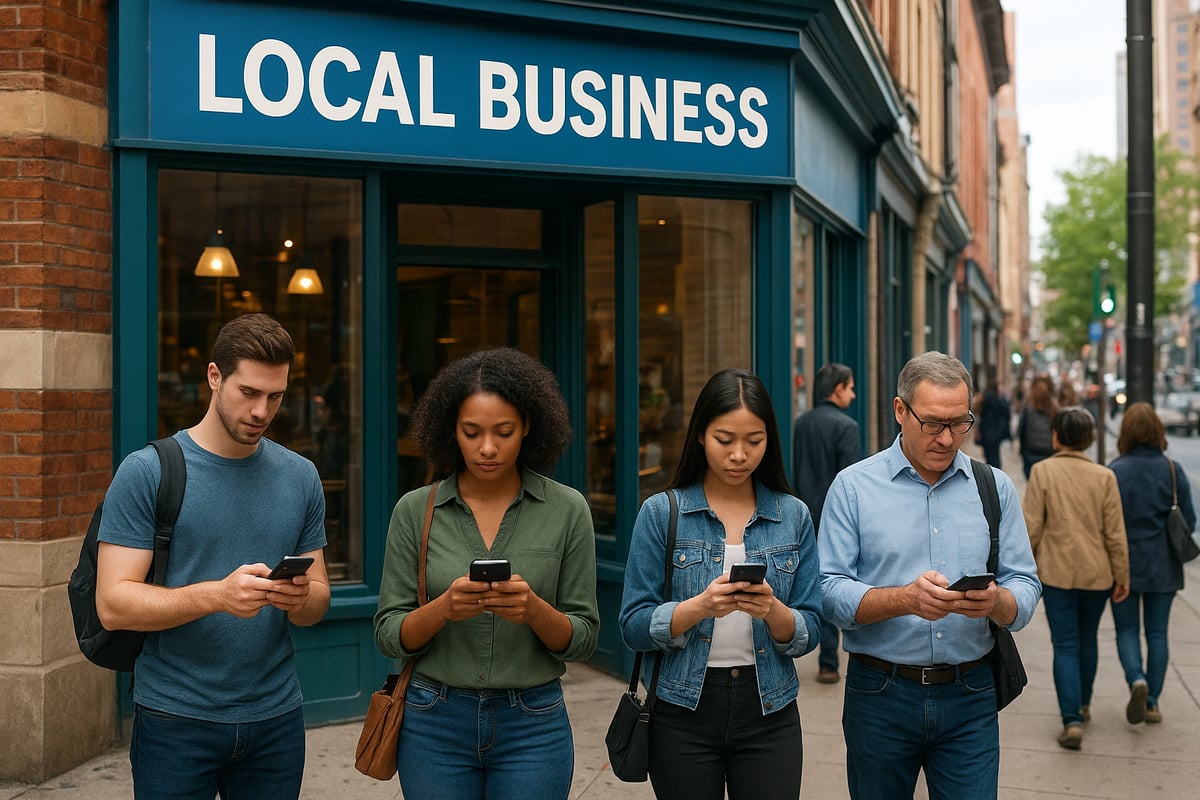
Local search marketing dramatically increases both your online and offline visibility. When your business appears in Google’s local pack, you capture up to 44% of all local clicks, often ahead of larger competitors. Coffee shops, plumbers, and restaurants have seen measurable increases in foot traffic by optimizing their local presence. To further boost your visibility, leveraging strategies like those outlined in Can Your Customers Find You Online can be a game-changer, ensuring your business stands out in crowded markets. As mobile searches surge, being easily found online directly translates to more customers walking through your door.
Attracting High-Intent, Ready-to-Buy Customers
A core strength of local search marketing is its ability to connect you with customers who are ready to act. Searches such as “best pizza near me” or “emergency plumber” are strong signals of immediate intent. According to Google, 76% of users visit a business within a day of making a local search. This high conversion potential leads to more sales and higher customer satisfaction. By targeting these high-intent queries, businesses can efficiently convert online interest into real-world revenue.
Building Trust and Credibility in the Community
Trust is the foundation of any successful business, and local search marketing helps establish it. Positive reviews and high ratings make your business appear credible and reliable. Appearing in the local pack signals to customers that your business is vetted and trusted by others. In fact, companies with ratings above four stars attract 60% more clicks. Responding to reviews and maintaining an active local presence fosters long-term loyalty and word-of-mouth recommendations.
Leveling the Playing Field Against Bigger Brands
One of the most empowering benefits of local search marketing is its ability to help small and medium-sized businesses compete with national chains. By focusing on city and neighborhood-specific keywords, SMBs can outrank larger brands for local queries. Independent retailers have successfully captured market share from big-box stores by tailoring their content and engagement to their local audience. This approach enables smaller businesses to dominate in their own backyard.
Cost-Effectiveness and Long-Term ROI
Local search marketing delivers exceptional value compared to traditional paid advertising. Organic local SEO provides ongoing results, often at a fraction of the cost. Businesses experience lower acquisition costs and higher lifetime customer value. On average, the cost per lead through local SEO is 50% lower than paid search. This makes it an attractive long-term investment for businesses seeking sustainable growth and higher returns.
Mobile and Voice Search Adaptability
The surge in mobile and voice searches has made adaptability a necessity. Over 60% of local searches now originate from mobile devices, and voice assistants are increasingly used for finding nearby services. Local search marketing strategies that optimize for conversational queries, natural language, and mobile usability keep your business relevant. By staying ahead of these trends, you ensure your business remains accessible to customers no matter how they search.
Boosting Foot Traffic, Revenue, and Brand Awareness
A strong local search marketing presence directly impacts your bottom line. Optimized Google Business Profiles have been shown to increase walk-in traffic by 30% for restaurants and retail stores. The visibility gained through local search also boosts brand recognition and recall within your community. As more customers discover and engage with your business, you build a loyal customer base and drive consistent growth.
Step-by-Step Blueprint: Winning Local Search Marketing in 2026
Achieving standout results with local search marketing in 2026 requires a clear, actionable blueprint. Businesses that follow a systematic approach consistently outperform competitors, connect with more high-intent customers, and see measurable growth. Below, you'll find a comprehensive, step-by-step guide grounded in industry best practices and the latest trends. For deeper insights, review the Local SEO Best Practices 2025 to complement each step in this blueprint.
1. Claim and Optimize Your Google Business Profile (GBP)
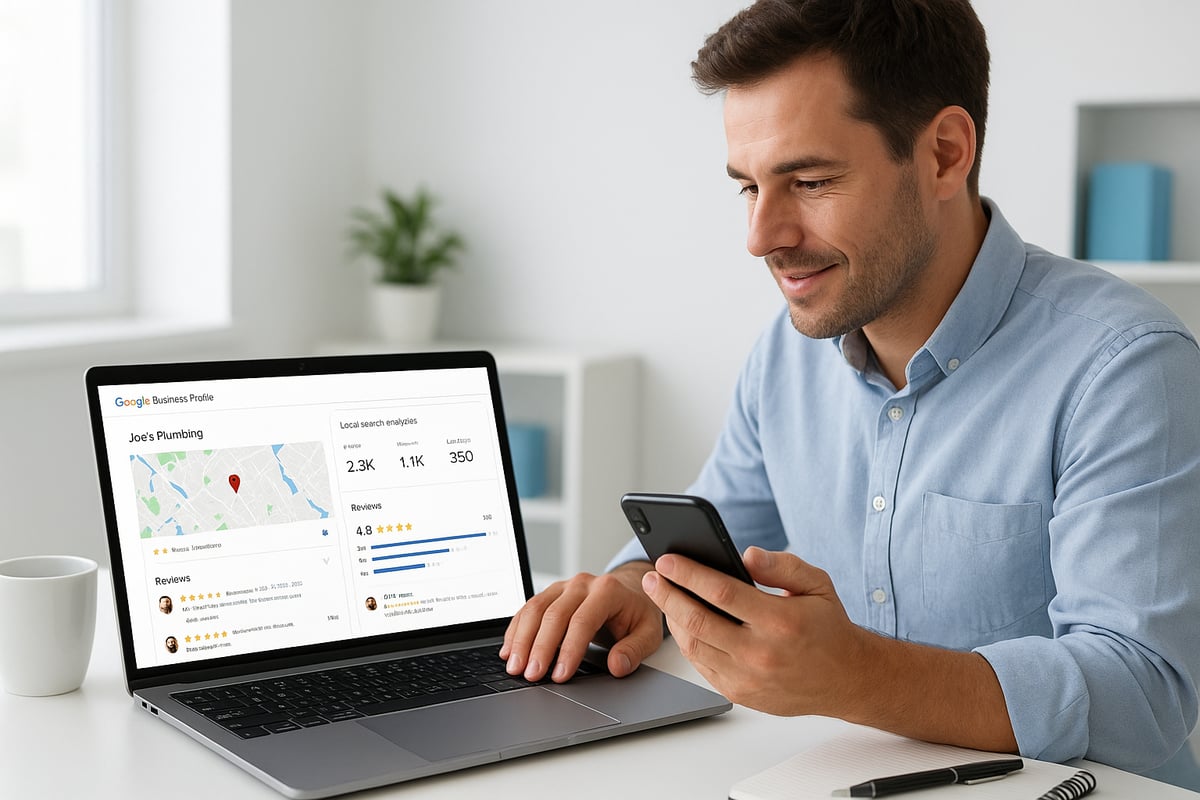
Start your local search marketing journey by claiming and verifying your Google Business Profile. This is the cornerstone for visibility in local results.
- Ensure your NAP (name, address, phone) is consistent and accurate.
- Select the most relevant business categories.
- Write a compelling business description using strategic keywords.
- Upload high-quality photos, videos, and virtual tours to showcase your space.
- Enable messaging, update business hours (including holidays), and post regular updates.
An optimized GBP can lead to a 20 percent increase in calls for service-based businesses. Regularly review your profile to keep information up to date.
2. Ensure NAP Consistency and Local Listings Management
Accurate, consistent NAP data across all platforms is critical for local search marketing success.
- Audit your business information on top directories like Yelp, Bing Places, Apple Maps, Facebook, and industry-specific sites.
- Use a local phone number and remove any duplicate or outdated listings.
- Leverage tools to automate local listing management for efficiency.
Inconsistent NAP details can reduce your local ranking by up to 30 percent. Schedule quarterly checks to maintain accuracy and boost your local authority.
3. Optimize Your Website for Local SEO
Your website must reinforce your local search marketing efforts.
- Embed your NAP on every page, ideally in the footer or contact section.
- Create dedicated location or contact pages with embedded maps.
- Use location-based keywords in titles, meta descriptions, headings, and body content.
- Implement LocalBusiness schema markup for enhanced search results.
A quick schema example:
{
  "@context": "https://schema.org",
  "@type": "LocalBusiness",
  "name": "Your Business Name",
  "address": {
    "@type": "PostalAddress",
    "streetAddress": "123 Main St",
    "addressLocality": "Your City",
    "addressRegion": "ST",
    "postalCode": "12345"
  }
}
Mobile-friendliness and fast load times are essential for both user experience and rankings.
4. Generate and Manage Online Reviews
Online reviews are vital for local search marketing, directly influencing trust, visibility, and ranking.
- Proactively request authentic Google reviews from satisfied customers.
- Respond to all reviews, whether positive or negative, to demonstrate engagement.
- Encourage reviews on platforms like Yelp, Facebook, and TripAdvisor.
- Avoid review gating and never solicit fake reviews to prevent penalties.
Businesses with 100 or more reviews typically rank 10 percent higher in local packs. Consistent engagement with reviewers builds credibility.
5. Create High-Impact Localized Content
Content tailored to your local audience amplifies your local search marketing impact.
- Write blogs about local events, news, or customer success stories.
- Develop landing pages for each service area or neighborhood.
- Add FAQs targeting location-based and voice search queries.
Example: A fitness studio saw a 25 percent increase in organic sessions after focusing on localized content. Keep your topics relevant to your community for maximum engagement.
6. Build Local Backlinks and Community Partnerships
Local backlinks are a powerful trust signal for local search marketing.
- Seek links from local news outlets, blogs, and business directories.
- Collaborate with local influencers or sponsor community events.
- Guest post on local sites and participate in community-driven activities.
A strong local backlink profile can boost domain authority and improve rankings within months. Prioritize quality over quantity for sustainable growth.
7. Leverage Social Media for Local Engagement
Social platforms are essential for expanding your reach and enhancing your local search marketing efforts.
- Share regular updates, promotions, and local news.
- Engage with your audience through comments, messages, and check-ins.
- Use location-based hashtags and encourage user-generated content.
Active social engagement can increase brand mentions by 35 percent, driving more local traffic to your business.
8. Optimize for Voice Search and Conversational Queries
Voice search is reshaping local search marketing. Optimize content for natural language and question-based searches.
- Focus on long-tail, location-specific keywords.
- Keep your GBP and website information current for accuracy.
- Structure content to answer common voice search questions.
Voice-optimized pages often appear in featured snippets, making your business more discoverable to mobile and voice assistant users.
9. Track, Analyze, and Adjust Performance
Continual monitoring is the backbone of effective local search marketing.
- Use GBP insights to track views, calls, and direction requests.
- Analyze website traffic and conversions with Google Analytics and Search Console.
- Monitor keyword rankings with tools like Semrush and Ahrefs.
Adjust your strategies based on data and emerging local trends to stay ahead of the competition.
Advanced Local Search Marketing Strategies for 2026
Staying ahead in local search marketing requires more than the basics. As technology evolves, so do the strategies that drive measurable results. To outperform competitors in 2026, businesses must embrace advanced tactics that harness AI, automation, hyperlocal targeting, and emerging digital trends.
Harnessing AI and Automation for Local SEO
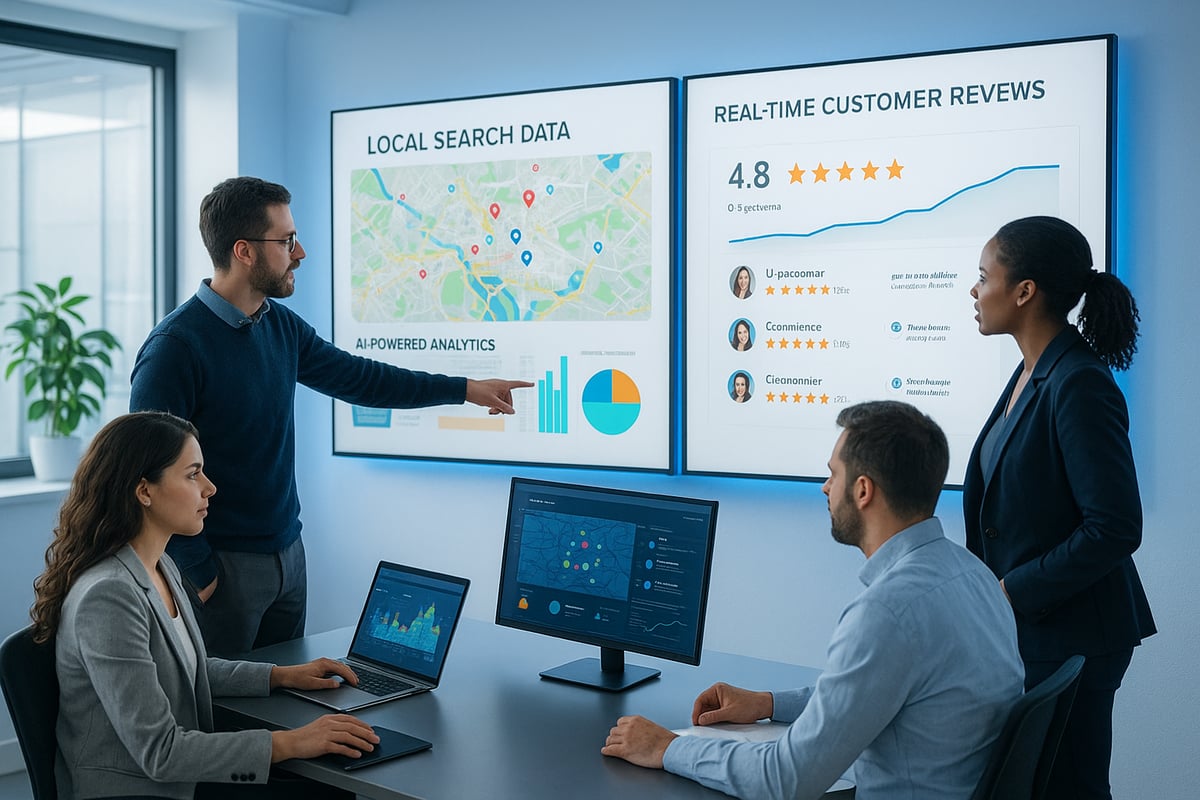
Artificial intelligence is transforming local search marketing. AI-powered content creation tools generate targeted, geo-specific blogs and landing pages at scale. Advanced chatbots engage website visitors, answer local queries, and even collect reviews automatically.
Automation platforms streamline repetitive tasks, such as updating listings or monitoring keyword rankings. By integrating AI, businesses can analyze search patterns, optimize for high-intent keywords, and personalize content for each neighborhood.
For those seeking expert support, the Best Content Marketing Companies Guide highlights agencies skilled in leveraging AI for localized SEO campaigns.
Hyperlocal Targeting with Geofencing and Location-Based Ads
Geofencing technology enables businesses to set up virtual boundaries around specific locations. When potential customers enter these zones, they receive tailored ads or offers on their mobile devices.
This hyperlocal targeting boosts engagement and drives foot traffic, especially for events or time-sensitive promotions. Combining geofencing with local search marketing ensures your message reaches the right audience at the perfect moment.
Location-based advertising can also integrate with loyalty programs, further increasing customer retention and conversion rates.
Integrating Local SEO with Paid Search for Maximum Visibility
Organic local search marketing is powerful, but pairing it with paid search amplifies results. Running targeted Google Ads, map ads, and social media campaigns for specific locations increases your business’s visibility in both organic and sponsored results.
A unified strategy combines keyword research, ad copy, and landing pages optimized for local intent, maximizing every opportunity to capture high-intent traffic.
Consider this comparison:
| Strategy | Reach | Cost | Impact |
|---|---|---|---|
| Organic Local SEO | High | Lower long-term | Sustained growth |
| Paid Local Ads | Immediate | Higher upfront | Quick wins |
| Integrated Approach | Maximum | Balanced | Best ROI |
Adapting to New SERP Features and Zero-Click Results
Search engine results pages (SERPs) are evolving rapidly. Features like local packs, map ads, and zero-click results mean users often find answers without leaving the results page.
To stand out, optimize your profiles and content for these formats. Use structured data, regularly update your Google Business Profile, and experiment with map ads for increased exposure.
Stay agile as new SERP features emerge. Businesses that adapt quickly maintain a competitive edge in local search marketing.
For practical shifts and expert recommendations on adapting to these changes, explore the Local SEO Strategies 2025 guide.
Leveraging Video Marketing and Virtual Tours
Visual content is a game changer for local search marketing. High-quality videos and virtual tours boost engagement on your Google Business Profile and social feeds.
Showcasing your storefront, products, or services builds trust and helps customers visualize their experience. Interactive virtual tours are especially effective for restaurants, gyms, and retail spaces.
Regularly posting visual updates keeps your business top-of-mind and encourages more clicks from local searchers.
Advanced Review and Real-Time Reputation Management
Online reviews remain a decisive factor in local search marketing. Advanced tools now enable real-time monitoring and response, helping you resolve issues promptly and maintain a positive reputation.
Next-gen platforms aggregate feedback from multiple sources, alerting you to trends and opportunities for improvement. Prompt responses to reviews—both positive and negative—demonstrate your commitment to customer satisfaction.
Encourage customers to leave detailed feedback, and use insights to refine your marketing and operations strategies.
Privacy, Algorithm Updates, and Futureproofing Your Strategy
Evolving privacy regulations and frequent search algorithm changes require ongoing vigilance. Prioritize transparency in data collection, and stay informed about new compliance requirements.
Regularly audit your local search marketing efforts to adapt to algorithm updates. Investing in ongoing education and flexible strategies ensures your business remains resilient as digital landscapes shift.
By embracing these advanced strategies, you position your business to thrive in the future of local search marketing.
Essential Tools and Resources for Local Search Success
Navigating the competitive landscape of local search marketing in 2026 requires more than just strategy—it demands the right set of tools. With evolving algorithms, increased user expectations, and constant changes in online behavior, businesses must equip themselves with modern solutions to maximize visibility and measurable growth.
Selecting the right tools streamlines local search marketing efforts and ensures that every aspect of your online presence is optimized. Here is a breakdown of essential categories:
| Tool Category | Example Solutions | Primary Benefit |
|---|---|---|
| GBP Optimization | Semrush GBP Optimization | Audit, update, and monitor business profiles |
| Listings Management | Moz Local, Yext | Automate NAP consistency across directories |
| Review Management | Birdeye, Podium | Collect and respond to customer feedback |
| Keyword & Rank Tracking | Ahrefs, Semrush, BrightLocal | Monitor local keyword performance |
| Analytics & Reporting | Google Analytics, Looker Studio | Track traffic, conversions, and ROI |
| Social Media Management | Buffer, Hootsuite | Schedule posts, engage local audiences |
Google Business Profile (GBP) Optimization:
The foundation of local search marketing is a robust GBP. Tools such as Semrush GBP Optimization help audit listings, identify errors, and monitor performance. For example, using Semrush’s GBP tool, a business discovered and fixed over 20 listing errors, which led to a significant improvement in local rankings.
Listings Management Platforms:
Consistency is key for local search marketing. Platforms like Moz Local and Yext automate the process of updating your business name, address, and phone number (NAP) across hundreds of directories. This eliminates duplicate or outdated listings, which can otherwise harm your visibility.
Review Management Solutions:
Customer reviews play a pivotal role in local search marketing. Tools like Birdeye and Podium centralize review requests, notifications, and responses. Engaging with customers through these platforms not only builds trust but also signals to search engines that your business is active and reputable.
Keyword and Rank Tracking:
To measure progress, invest in solutions such as Ahrefs, Semrush, or BrightLocal. These platforms track your local keyword rankings, monitor competitors, and highlight opportunities for content optimization.
Analytics and Reporting Tools:
Understanding what drives results is essential in local search marketing. Google Analytics and Looker Studio offer detailed traffic, conversion, and ROI insights. Custom dashboards can reveal which strategies yield the highest returns.
Social Media Scheduling and Engagement:
Managing local engagement on social platforms is made easier with tools like Buffer and Hootsuite. Schedule posts, monitor interactions, and use location-based hashtags to boost local presence.
Ongoing Education:
Staying ahead in local search marketing means investing in continuous learning. Regularly read industry blogs, attend webinars, and consult updated reports. For comprehensive support, consider agencies like Mountain Mover Coaching and Digital Marketing, which specialize in tailored solutions for small businesses.
In summary, leveraging the right tools empowers businesses to streamline local search marketing, track success, and adapt quickly in a changing digital environment. Equip your business now to ensure you remain visible and competitive in 2026.
After exploring the strategies to elevate your business with local search marketing in 2026, it’s clear that real growth starts with knowing where you stand. If you’re curious about how your business truly appears in local searches—or if you’re ready to uncover hidden opportunities for greater visibility and customer engagement—let’s take the next step together. You don’t have to navigate this alone. Get a personalized look at your current online presence and discover practical ways to boost your results with a Free Visibility Snapshot. This simple review can be your first move toward measurable, lasting local success.