
In 2026, online social media marketing stands at the center of brand success in a hyper-connected digital world.
Over 4.95 billion people worldwide use social media, making these platforms crucial for reaching and engaging customers. Facebook, Instagram, and TikTok continue to transform how brands connect, driving higher marketing ROI and deeper customer relationships.
This guide explores the latest strategies, tools, and trends that define effective online social media marketing. Expect actionable insights to maximize your reach, boost engagement, and increase revenue.
Stay ahead in 2026 by leveraging proven tactics that future-proof your brand’s strategy and performance.
The Evolving Landscape of Online Social Media Marketing in 2026
The landscape of online social media marketing in 2026 is more dynamic and influential than ever. Over 60% of the global population actively participates on social media, making these platforms central to brand visibility and customer engagement. The sheer scale is staggering, with billions of users shaping trends, conversations, and buying decisions daily.
This dominance is further reinforced by fresh data from the Digital 2026 report, which highlights that social media users have become a true supermajority worldwide. As digital adoption accelerates, online social media marketing has become non-negotiable for brands seeking relevance and sustained growth in the modern marketplace.
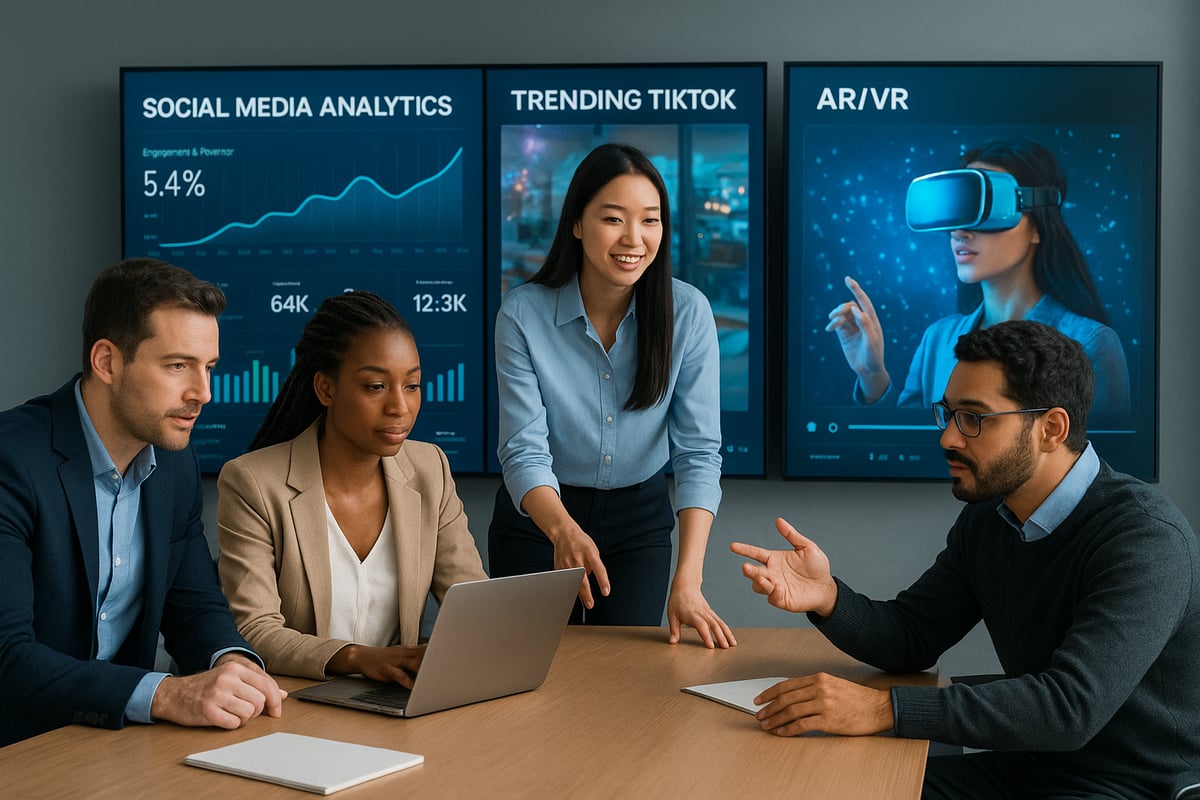
The platform hierarchy is shifting. Facebook continues to set the standard for return on investment, especially for broad audiences, while TikTok has surged ahead in engagement rates among Gen Z and Millennials. Instagram maintains its stronghold on visual storytelling and e-commerce, leveraging stories, reels, and shoppable posts to drive conversions.
Short-form video, live streaming, and immersive AR/VR experiences are now at the forefront of content strategies. Brands that embrace these formats are meeting audiences where they spend their time and attention. Live events, behind-the-scenes glimpses, and interactive video campaigns foster genuine connections and boost brand authenticity.
Social commerce is another game-changer. Features like "Shop Now" buttons, in-app purchases, and frictionless checkout processes have transformed social platforms into powerful sales channels. The customer journey is now more seamless than ever, with discovery, engagement, and purchase all happening within the same environment.
AI and automation are redefining what’s possible in online social media marketing. Machine learning delivers personalized content at scale, while chatbots handle real-time customer queries and predictive analytics optimize campaign performance. Brands can now reach highly targeted segments with messages that resonate on a personal level, maximizing both engagement and efficiency.
Data privacy and ethical marketing have become front and center. With ongoing changes to regulations and increasing consumer scrutiny, brands must balance personalization with respect for user privacy. Transparent data practices and ethical content strategies are essential for building trust and long-term loyalty.
Influencer marketing has also evolved. The focus has shifted from celebrity endorsements to micro and nano influencers who deliver authentic engagement within niche communities. These influencers often generate higher trust and more meaningful interactions, especially when aligned with brand values and audience interests.
To illustrate the competitive edge platforms provide, consider TikTok’s engagement rate, which consistently outpaces Facebook, Instagram, and X. Brands that adapt quickly to these shifts and prioritize platform-native content can capture attention and drive superior results.
Here is a summary of key platform trends in 2026:
| Platform | User Base | Engagement Focus | Key Features |
|---|---|---|---|
| Nearly 3 billion | Broad, ROI-driven | Groups, targeted ads, shops | |
| Over 2 billion | Visual, shopping | Stories, reels, live, AR | |
| TikTok | 1.5+ billion | Viral, Gen Z/Millennial | Short-form video, challenges |
| 900 million+ | B2B, thought leadership | Content, advocacy, networking | |
| X | 500 million+ | Real-time, support | Hashtags, trends, live chat |
The ongoing evolution of online social media marketing means brands must stay agile and forward-thinking. The convergence of technology, commerce, and community is creating new opportunities and challenges. Those who embrace innovation, respect privacy, and deliver authentic value will thrive in this ever-changing digital ecosystem.
Step-by-Step: Building a High-Impact Social Media Marketing Strategy
In 2026, a robust online social media marketing strategy is the backbone of any successful digital brand. With evolving trends and heightened competition, businesses must approach campaign planning with precision. Let’s break down the essential steps to create a high-impact roadmap that delivers measurable results.
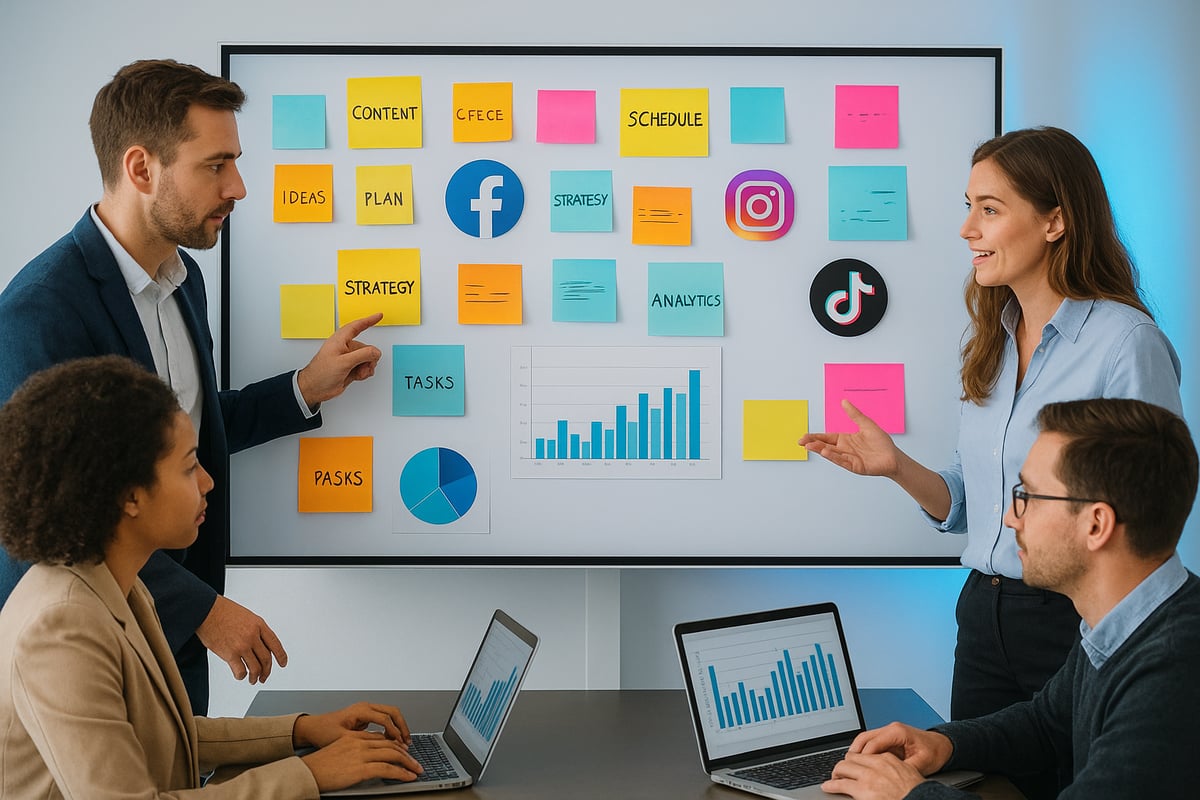
1. Define Clear Objectives
Start by setting measurable goals for your online social media marketing. Are you seeking brand awareness, lead generation, direct sales, or improved customer loyalty? Establishing specific objectives ensures every campaign has a clear direction. Use the SMART framework—specific, measurable, achievable, relevant, and time-bound—to guide your planning.
2. Conduct Audience & Competitor Research
Understanding your target audience is crucial. Analyze demographics, interests, and online behaviors to tailor your approach. Dive into psychographics for deeper insights. Simultaneously, benchmark your competitors. Identify what works for industry leaders and uncover gaps you can leverage. This dual research forms the foundation of effective online social media marketing.
3. Select the Right Platforms
Not all platforms will suit your objectives. Facebook remains a powerhouse for reach and conversion, while Instagram and TikTok excel in visual storytelling and younger demographics. LinkedIn is essential for B2B networking, and emerging platforms may offer new opportunities. Choose platforms that align with your audience and goals to maximize the impact of your online social media marketing efforts.
4. Plan Content & Allocate Resources
Develop a content calendar that balances formats such as video, stories, carousels, and live streams. Consistency and variety keep audiences engaged. Next, allocate your budget between organic growth and paid campaigns. Invest in creative assets and analytics tools to support your online social media marketing initiatives. For actionable tips on sustaining momentum, explore these Social Media Marketing Tips.
5. Address Legal and Ethical Considerations
Stay updated on advertising regulations and data privacy requirements. Compliance with laws like GDPR and CCPA is non-negotiable. Ethical marketing builds trust—always disclose sponsored content and respect user consent. Integrating these practices into your online social media marketing strategy safeguards your brand and customer relationships.
6. Monitor Performance and Optimize
Track key metrics such as reach, engagement, click-through rates, and conversions. Use analytics dashboards to assess campaign effectiveness. Regularly review and adjust your tactics based on data insights. This ongoing optimization is vital for sustaining high returns from your online social media marketing campaigns.
7. Learn from Real-World Examples
Consider the effectiveness of targeted Facebook posts, which often achieve a 1 percent click-through and over 9 percent conversion rates. Such results underscore the power of strategic online social media marketing, especially when campaigns are backed by data and refined continually.
By following these steps, you can develop a high-impact online social media marketing strategy tailored for 2026’s fast-paced digital landscape. Strategic planning, audience insight, and continuous optimization are the pillars of success.
Platform-Specific Tactics for Maximum Engagement
In 2026, maximizing engagement means tailoring your online social media marketing approach to each unique platform. Every channel offers distinct tools, audience behaviors, and content formats that can propel your strategy or stall your efforts if ignored.
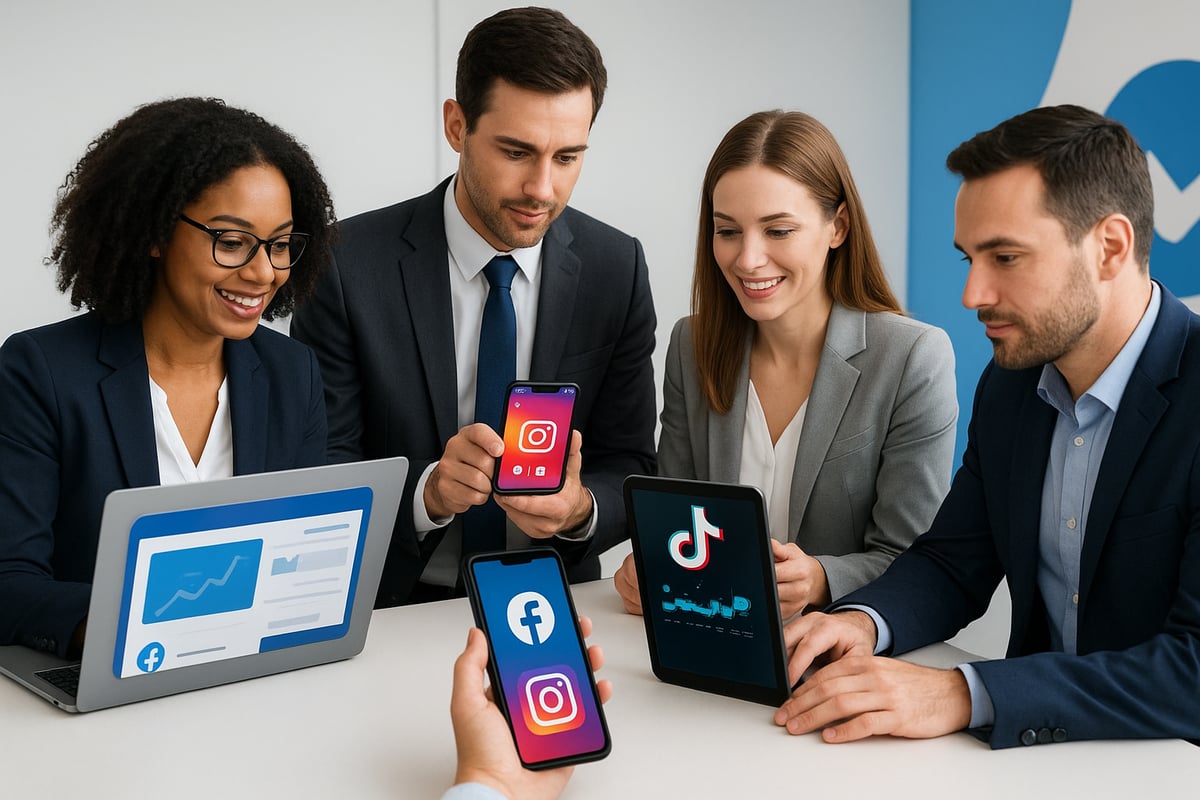
Facebook: Groups, Targeted Ads, and Customer Service
Facebook remains a powerhouse in online social media marketing, especially for brands seeking broad reach and community engagement. Groups allow businesses to foster loyal customer communities, while targeted ads drive conversions with advanced segmentation.
- Use Facebook Groups to deepen relationships and gather feedback.
- Implement targeted ads based on detailed audience insights.
- Integrate Messenger for real-time customer service and support.
With over 60 percent of users engaging brands for support, Facebook is ideal for nurturing lasting connections. Incorporating these tactics into your online social media marketing plan ensures your brand stays competitive.
Instagram: Stories, Reels, and Shopping
On Instagram, visual storytelling is king. Short-lived Stories and dynamic Reels capture attention fast, while shoppable posts streamline the purchase journey.
- Feature behind-the-scenes content in Stories to humanize your brand.
- Leverage Reels for trending challenges or product showcases.
- Tag products in posts and Stories for instant shopping experiences.
Influencer partnerships on Instagram boost credibility and reach, making it essential for online social media marketing professionals aiming for high conversion rates.
TikTok: Viral Engagement and Creator Partnerships
TikTok’s algorithm rewards creativity, making it a hotspot for viral campaigns. Brands succeed by collaborating with influencers and participating in trending challenges.
- Launch branded hashtag challenges to spark user-generated content.
- Partner with creators for authentic product demos.
- Use trending audio to enhance campaign visibility.
TikTok’s engagement rates surpass other platforms, especially among younger users. Staying agile with your online social media marketing tactics here is crucial for rapid growth. For more on emerging platform trends, see this Social media trends 2026 guide.
LinkedIn: B2B Lead Gen and Thought Leadership
LinkedIn is the go-to for B2B online social media marketing. Here, quality content and professional networking drive measurable results.
- Share industry insights and original research to build authority.
- Use employee advocacy programs to amplify reach.
- Run targeted ads for lead generation and event promotion.
Establishing thought leadership on LinkedIn positions your brand as a trusted partner in your industry.
X (Twitter): Real-Time Engagement and Support
X (formerly Twitter) excels at real-time communication. Brands use it for quick updates, customer support, and viral hashtag campaigns.
- Monitor trending topics to join relevant conversations.
- Host live Q&A sessions for instant engagement.
- Respond promptly to mentions and direct messages.
Timely content and responsiveness are essential for effective online social media marketing on this fast-paced platform.
Pinterest and Emerging Platforms: Visual and Niche Tactics
Pinterest is ideal for brands with visually appealing products. It also enables niche targeting through curated boards and search-based discovery.
- Create themed boards for seasonal promotions.
- Use high-quality images and infographics for inspiration seekers.
- Explore new platforms as they emerge to reach untapped audiences.
Experimenting with Pinterest and emerging channels keeps your online social media marketing strategy innovative and relevant.
Cross-Platform Integration: Unified Branding
Consistency across platforms is vital. Unify your messaging, visuals, and brand voice to reinforce recognition and trust.
| Platform | Key Tactic | Top Feature |
|---|---|---|
| Community Building | Groups | |
| Visual Storytelling | Reels, Stories | |
| TikTok | Viral Content | Hashtag Challenges |
| Thought Leadership | Employee Advocacy | |
| X | Real-Time Engagement | Hashtags, Support |
| Visual Discovery | Themed Boards |
A cohesive online social media marketing approach across platforms maximizes reach and engagement. Ensure every touchpoint reflects your core brand values.
Measuring ROI and Optimizing Social Media Campaigns
Measuring the return on investment (ROI) is the cornerstone of any successful online social media marketing strategy. Without clear metrics and ongoing optimization, even the most creative campaigns can underperform. Brands in 2026 need to focus on detailed measurement and agile improvements to maximize their impact in a competitive landscape.

Understanding KPIs and Attribution Modeling
The first step in measuring ROI for online social media marketing is to define and track key performance indicators (KPIs). These include reach, engagement, click-through rate, conversion rate, and customer acquisition cost. Each KPI offers unique insights into how content resonates with audiences and drives business goals.
Attribution modeling is essential for connecting social media activities to actual sales and revenue. By mapping customer journeys across touchpoints, marketers can identify which channels, campaigns, or posts contribute most to conversions. Multi-touch attribution models provide a more comprehensive view than last-click approaches, ensuring that every stage of engagement is valued appropriately.
A/B Testing and Analytics Tools
A/B testing is a proven method for optimizing online social media marketing campaigns. By systematically testing different creatives, messaging, or targeting options, brands can identify what works best for their audience. This process not only increases engagement but also improves overall campaign effectiveness.
Advanced analytics tools make this process easier and more precise. Platforms like Facebook Insights, Instagram Analytics, TikTok Analytics, and Google Analytics deliver real-time data on user behavior, content performance, and conversion trends. Marketers who leverage these dashboards can quickly spot opportunities for improvement and adapt their strategies for better results. For additional insights, reviewing social media marketing statistics 2025 can help benchmark your efforts against industry standards.
Calculating Costs and Return on Investment
Understanding the financial side of online social media marketing is critical for long-term success. Marketers must regularly calculate metrics like cost per click (CPC), cost per acquisition (CPA), and return on ad spend (ROAS). For example, Facebook’s average per-click cost of $1.72 provides a useful benchmark for budgeting and forecasting.
To calculate ROI, compare the total revenue generated from social campaigns with the total investment, including ad spend, creative resources, and technology costs. Consistently monitoring these figures helps optimize allocations and ensures that every dollar spent contributes to measurable outcomes.
Data-Driven Targeting and Real-World Impact
Refining your targeting strategy is one of the most effective ways to boost ROI in online social media marketing. By leveraging advanced segmentation and behavioral data, brands can deliver personalized content to the right audience at the right time. This approach not only increases engagement but also leads to higher conversion rates and lower acquisition costs.
A real-world example demonstrates the value of this method: targeted Facebook posts, with a 1% click-through rate and over 9% conversion rate, often outperform Google Ads in cost-efficiency. Maintaining consistent social media posting also plays a key role in driving sustained results, as regular engagement strengthens brand recognition and trust over time.
Future-Proofing Your Social Media Strategy for 2026 and Beyond
The pace of change in online social media marketing is accelerating, requiring brands to stay ahead of trends and technology. Future-proofing your approach means building adaptability, resilience, and a proactive mindset into every aspect of your digital strategy.
Emerging Technologies
To remain competitive, brands must embrace next-generation tools shaping online social media marketing. Augmented and virtual reality are transforming engagement, enabling immersive product experiences and interactive campaigns. AI-driven content creation and voice search optimization are essential for capturing attention as user behaviors evolve.
According to Digital Marketing Trends 2025, integrating these technologies is already redefining how audiences interact with brands. Investing in these innovations positions your business at the forefront of online social media marketing.
Agility and Compliance
Rapid platform updates and shifting consumer preferences demand agility. Leading brands pilot new features, experiment with platform updates, and remain flexible in their content strategies. This proactive approach ensures relevance as platforms introduce new algorithms or engagement tools.
Equally critical is navigating the landscape of data privacy and compliance. Regulations like GDPR and CCPA require marketers to prioritize ethical data handling and transparent communication. By embedding privacy-first principles into your online social media marketing, you build trust and reduce legal risks.
Training and Community Building
Continuous learning is the backbone of a resilient strategy. Encourage your team to pursue certifications, attend webinars, and engage in ongoing training. Staying informed about platform changes and industry best practices helps your brand respond quickly to new challenges.
At the same time, focus on building communities rather than chasing short-term metrics. Invest in nurturing long-term relationships with your audience, turning followers into advocates. A loyal community acts as a buffer against sudden shifts in algorithms or platform popularity, ensuring lasting impact from your online social media marketing efforts.
Influencer Marketing and Algorithms
Micro and nano influencers are gaining influence, especially in niche markets. These creators offer authentic engagement and higher trust with targeted audiences. Research such as Computational studies in influencer marketing highlights how data-driven approaches are optimizing influencer partnerships for greater impact.
To counter unpredictable algorithm changes, diversify your content and platform mix. Avoid over-reliance on a single channel and create a content calendar that balances video, interactive posts, and community-driven initiatives. This diversity future-proofs your online social media marketing and maximizes reach.
Automation and The Road Ahead
Automation is becoming indispensable for scaling efforts and maintaining consistency. AI-powered scheduling, chatbots, and advanced analytics streamline operations, freeing up time for creativity and strategy.
The future of online social media marketing will belong to brands that blend technology, agility, compliance, and human connection. By investing in these areas today, you ensure that your strategy not only survives but thrives in 2026 and beyond.
As you look ahead to mastering social media marketing in 2026, it’s clear that having the right strategy and insights can set your business apart. Whether you’re refining your content, exploring new platforms, or tracking ROI, staying ahead means knowing where you stand today. That’s why I invite you to take the next step: get your Free Visibility Snapshot. You’ll receive a personalized report to help you understand your current strengths and uncover real opportunities for growth—so you can confidently apply the strategies we’ve explored and achieve measurable results.
Article written using RankPill.